



The solicitation is structured to mitigate supply chain challenges disrupting fuel oil supply and to keep the reserve stocked ahead of winter, the department said. The barrels will be loaned from reserve sites in Connecticut, Maine and Massachusetts, with deliveries to be completed by Nov. 13, according to the department. Bidding was set to begin next week, the DOE said.
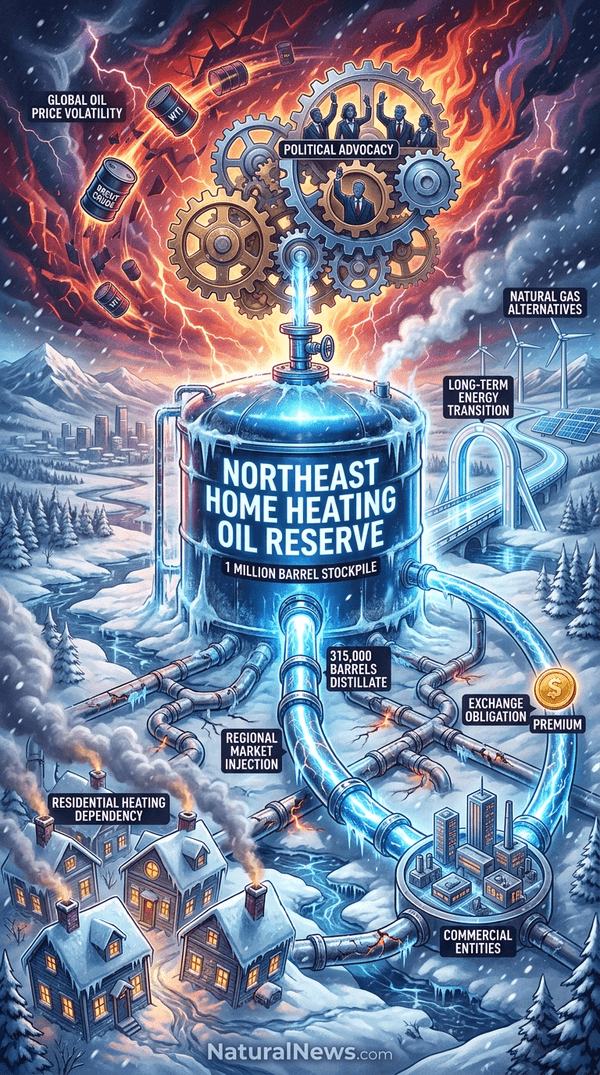
The release amounts to nearly a third of the 1-million-barrel emergency stockpile. The reserve has been tapped only once since Hurricane Sandy struck the region in 2012, according to Reuters. About one-third of New England homes use heating oil, Reuters reported.
Exchange Terms and Official Statements
Under the exchange terms, companies that borrow the fuel must return the same volume to the Northeast Home Heating Oil Reserve and include a premium, the department said. The structure is intended to replenish the reserve while adding temporary supply to the regional market.
Energy Secretary Chris Wright said: "The Trump administration is committed to doing everything in our power to lower energy costs for the American people." [1][2] Wright said he directed the agency to arrange the exchange after receiving letters from Sens. Susan Collins (R-ME) and Angus King (I-ME). The department will evaluate whether further releases are necessary, a source at the department told Reuters.
Wright described the exchange as a temporary measure and encouraged the state of New York and states in the New England region to work with the administration to build the Constitution Pipeline and replace home heating oil with natural gas. Collins said the move amounts to a roughly 13% supply increase for New England, according to a post on X [3].
Diesel and Crude Oil Prices
The American Automobile Association (AAA) reported that the average retail price of diesel remained over $6 per gallon for weeks and stood at $6.31 per gallon Wednesday [1][2]. Diesel reached a record high of $6.52 per gallon on Sept. 22, AAA figures showed, while regular gasoline dropped about one cent Wednesday to $4.26 per gallon [1][2].
Oil prices have hovered around $100 per barrel for months, with international Brent crude reaching $108 and U.S. West Texas Intermediate reaching $97 per barrel Wednesday, according to the figures cited [1][2]. The price pressure follows a global energy crunch tied to the U.S. war against Iran.
Prior Strategic Reserve Actions and Fuel Policy
The Trump administration in March agreed to loan 172 million barrels of crude from the Strategic Petroleum Reserve in Louisiana and Texas in an effort to control crude oil prices, the report stated. The reserve has dropped to 282 million barrels, the lowest levels since the 1980s, according to the report.
President Donald Trump indicated his administration may move to permanently allow E-15 gasoline, blended with 15% ethanol instead of the regular 10%, to be used all year long. During a rally in Kansas on Monday, Oct. 19 Trump said he would initiate the move if Sen. Roger Marshall (R-KS) wins his reelection bid during the midterms next month.
The Northeast heating oil action is smaller in scale than the crude releases. Analysts said the 315,000-barrel loan is too small to make much of a difference in regional prices, the New York Times reported [4].
Conclusion
The DOE said the heating oil exchange is designed to lower costs ahead of winter and keep the Northeast Home Heating Oil Reserve stocked. Deliveries are to be completed by Nov. 13, and borrowing companies must return the fuel with a premium.
Wright said the measure is temporary and encouraged state officials to pursue the Constitution Pipeline and natural gas as longer-term alternatives. Collins said the move represents a roughly 13% supply increase for New England.
The release drew bipartisan praise from Maine's senators, who had written to the department requesting action. Whether the loan achieves its price goal will depend on how quickly the fuel reaches households before winter demand peaks.
References
- US To Release Heating Oil Reserve In Northeast To Lower Prices. https://www.zerohedge.com/energy/us-release-heating-oil-reserve-northeast-lower-prices
- US to Release Heating Oil Reserve in Northeast to Lower Prices. https://www.theepochtimes.com/us/us-to-release-heating-oil-reserve-in-northeast-to-lower-prices-6107143
- U.S. to Tap Heating Oil Reserves Ahead of Midterm Elections. https://www.nytimes.com/2026/10/21/business/heating-oil-emergency-reserve-prices.html
- US Aims to Loan About a Third of Heating Oil Reserve in Bid to Tame Prices. https://energynow.com/2026/10/us-aims-to-loan-about-a-third-of-heating-oil-reserve-in-bid-to-tame-prices/
- Susan Collins Applauds Release of 315,000 Barrels from Northeast Home .... https://www.themainewire.com/2026/10/susan-collins-applauds-release-of-315000-barrels-from-northeast-home-heating-oil-reserve/
Explainer Infographic






Please contact us for more information.


