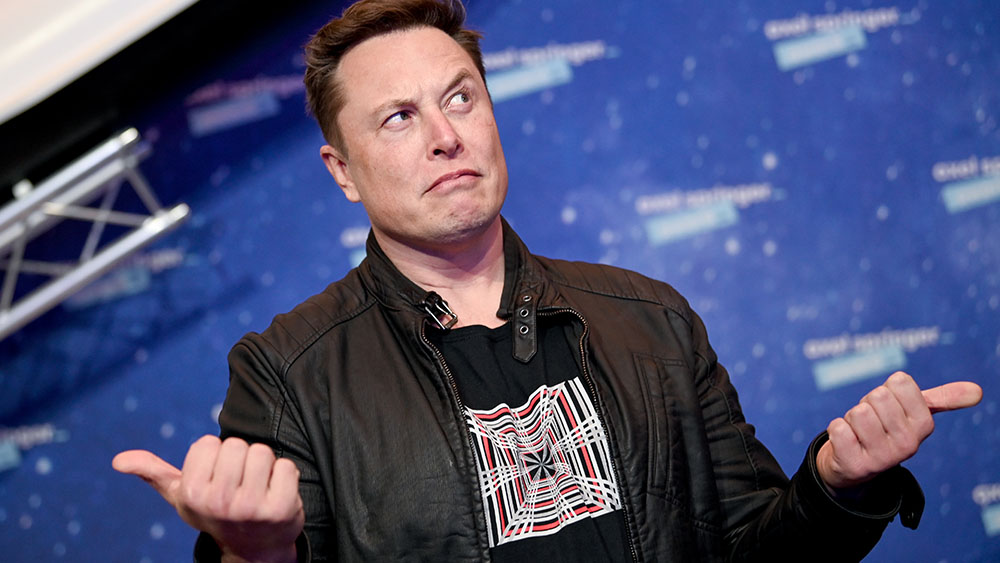
- Elon Musk blamed unnamed oligarchs for blocking his Starlink satellite internet service from launching in India.
- Starlink has waited four years and still needs security clearances and spectrum.
- India’s Communications Ministry called the claim baseless and said all three licensed satellite operators are at roughly the same stage.
- Companies owned by billionaires Mukesh Ambani and Sunil Mittal hold over 80% of India’s telecom market and are building satellite services.
- Starlink says it has built 20 gateway sites and is ready to serve India.
Elon Musk blamed unnamed interests Wednesday for stalling Starlink’s four-year effort to begin commercial operations in India, prompting an immediate rebuttal from the Indian government. The SpaceX and Tesla CEO took to his social media platform X to accuse oligarchs of keeping the satellite internet service out of India to preserve a monopoly over Indian consumers. India’s Communications Ministry responded Thursday, rejecting the allegations and saying all three licensed satellite operators are at roughly the same regulatory stage.
Musk accuses unnamed interests of blocking competition for Indian consumers
In a Wednesday post on X, Musk responded to a user noting that 11,256 Indian villages still lacked 4G coverage as of May, arguing that Starlink could connect underserved areas. The world’s richest man wrote that Starlink is “being blocked by certain oligarchs in order to maintain their monopolistic chokehold on the Indian people.” He added, “You can guess who they are,” but named no individuals or companies and offered no evidence. Musk called the situation a crime against the people of India and said Starlink would bring affordable high-speed internet to people priced out of current plans.
India’s telecom ministry rejects claims of unfair treatment
The telecom ministry issued a statement Thursday defending its satellite framework as fair. It said Starlink and the two other licensed operators are at roughly the same regulatory stage, with security assessments underway for each that must finish before they can seek spectrum. The ministry did not name Musk or any company. “The suggestion that the framework or its application is unfair or discriminatory is baseless and misconceived,” the ministry’s statement read.
Billionaire-backed rivals await same approvals as Starlink
More than 80% of India’s telecom and internet service market belongs to just two companies: Reliance Jio, owned by billionaire Mukesh Ambani, and Bharti Airtel, controlled by billionaire Sunil Mittal. Both are pursuing satellite ventures of their own. Airtel is a major backer of Eutelsat OneWeb, another licensed operator, while Jio has said it will lease capacity from global satellite providers, and one report said it is planning about 1,600 satellites of its own.
Starlink obtained its license in June 2025 but still needs the remaining security clearances and a spectrum assignment. Vice President Lauren Dreyer told the India Mobile Congress on Wednesday that the company has at least 20 gateway sites in India and has tailored its operations to the country’s security requirements.
Previous clashes and security concerns complicate Starlink’s path
The regulatory standoff is not new. Musk previously clashed with Ambani and Mittal over how India should allocate satellite spectrum. Starlink pushed for administrative assignment rather than an auction, which Jio favored, and India ultimately sided with Starlink. The three set the dispute aside in 2025 and signed separate deals to distribute Starlink devices. Indian authorities also found Starlink equipment in late 2024 during a police drug seizure in the Andaman and Nicobar Islands and an army operation in Manipur, adding to security scrutiny. Musk has maintained that Starlink’s satellite beams have never been active over India.
Starlink launched satellite-to-mobile service in neighboring Bangladesh this week, but its Indian timeline remains uncertain. Dreyer told the conference, “We stand ready to serve India.” New Delhi insists the process is even-handed. Still, with two billionaire-owned companies holding most of the market while building satellite services of their own, the villages still waiting for 4G have good reason to ask who benefits from the delay.
Sources for this article include:










Please contact us for more information.