



Key points:
- U.S. military has conducted 67 lethal strikes under Operation Southern Spear since September 2024.
- Latest strike on Sept. 9, 2025 killed three alleged narco-terrorists in the Eastern Pacific.
- SOUTHCOM claims intelligence confirmed the vessel’s involvement in drug trafficking.
- Administration treats cartels as an “armed conflict” rather than a criminal enterprise.
- Agreements with Colombia, Guatemala and Honduras may allow ground operations, but Guatemala denied such agreement.
- Financial institutions like HSBC and JP Morgan implicated in money laundering remain untouched.
- The pharmaceutical drug industry sits atop the drug trafficking empire, but that's built into American economic success.
- Questions persist about the transparency of targeting and evidence collection when shooting down alleged narco terrorists.
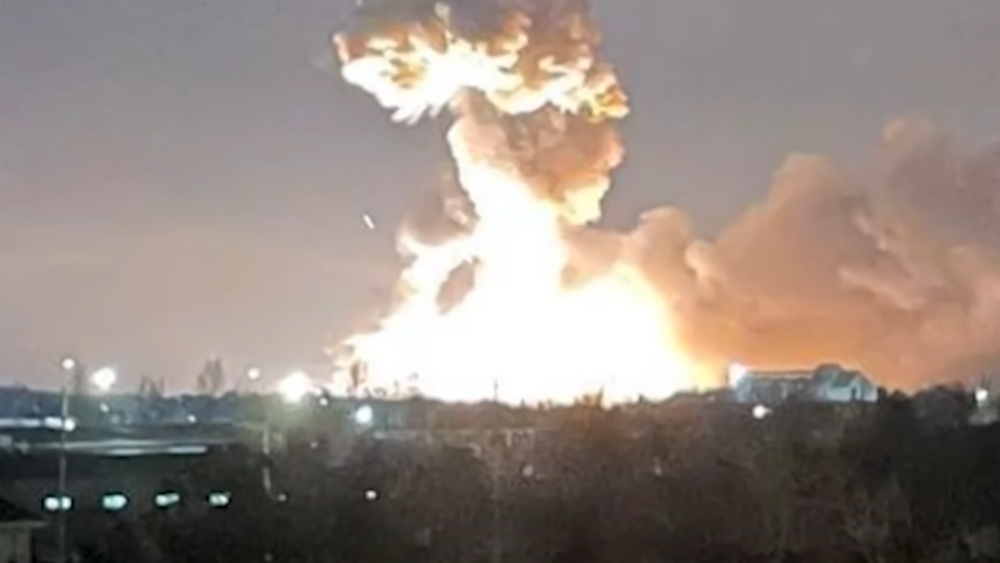
War Secretary Pete Hegseth claimed during an August 2025 visit to Panama that Colombia, Guatemala and Honduras had agreed to allow joint military operations on their soil. Guatemala promptly denied any such agreement. Yet, when the Pentagon releases grainy images of alleged drug boats, the public is expected to accept the narrative without question. The public is asked to trust that 67 strikes have been carried out with surgical precision, yet SOUTHCOM has not released a single body count or chain-of-custody document for seized narcotics.
The untouchable billionaires and the real supply chain
The most glaring omission in the administration’s narrative is the financial plumbing that makes drug trafficking possible. HSBC, the British banking giant, paid a mere $1.9 billion fine in 2012 for laundering billions of dollars for Mexican drug cartels, a slap on the wrist that amounted to less than one year’s profit. JP Morgan Chase has faced similar scrutiny for processing suspicious transactions. The Federal Trade Commission recently fined Pornhub’s parent company $5 million for child trafficking, a pittance compared to the scale of the enterprise. These fines are the cost of doing business for institutions that operate above the law.
The military’s focus on go-fast boats and fishing vessels ignores the real arteries of the drug trade: container ships. An estimated 90% of international cargo moves by container, and only a tiny fraction is inspected. Special forces operators could fast-rope onto these vessels, but the task would be “labor-intensive” due to the sheer volume of containers, as one source noted. Instead, the military chooses to obliterate small boats with maximum publicity, creating the illusion of action while the billions of dollars flow through the banking system unimpeded.
A campaign built on shifting sand
The administration’s legal justification rests on the designation of Ecuadorian criminal groups like Los Choneros and Los Lobos as foreign terrorist organizations, a move made on September 4, 2025. Yet the criteria for identifying a “narco-terrorist” vessel remain classified. Intelligence is cited, but no independent verification is permitted. The Pentagon’s own press secretary, Kingsley Wilson, issued a chilling warning: “We will hunt you down, we will find you, and we will kill you.” This is not the language of law enforcement; it is the language of war without end.
President Donald Trump has framed the campaign as an “armed conflict,” a designation that allows the military to bypass the Posse Comitatus Act, which prohibits the U.S. Army from engaging in domestic law enforcement. But the waters are international, and the targets are foreign nationals. The administration argues that drugs entering the United States constitute an invasion, justifying lethal force under Article IV of the Constitution. This interpretation, if accepted, would grant the president nearly unlimited authority to conduct extrajudicial killings anywhere on the planet.
The deeper question remains unanswered: why attack the symptom while the disease flourishes? The Big Tech platforms that algorithmically push addiction, the pharmaceutical companies that profit from fentanyl substitutes, the banks that launder cartel money, and the government agencies that look the other way -- all remain untouched. Operation Southern Spear may make for compelling video releases, but it does nothing to dismantle the globalist architecture of control and depopulation that the drug trade serves. Until the public demands accountability from the real narco-financiers and child traffickers who operate in boardrooms and government suites, these strikes will remain a theatrical distraction from the truth.
Sources include:



Please contact us for more information.


