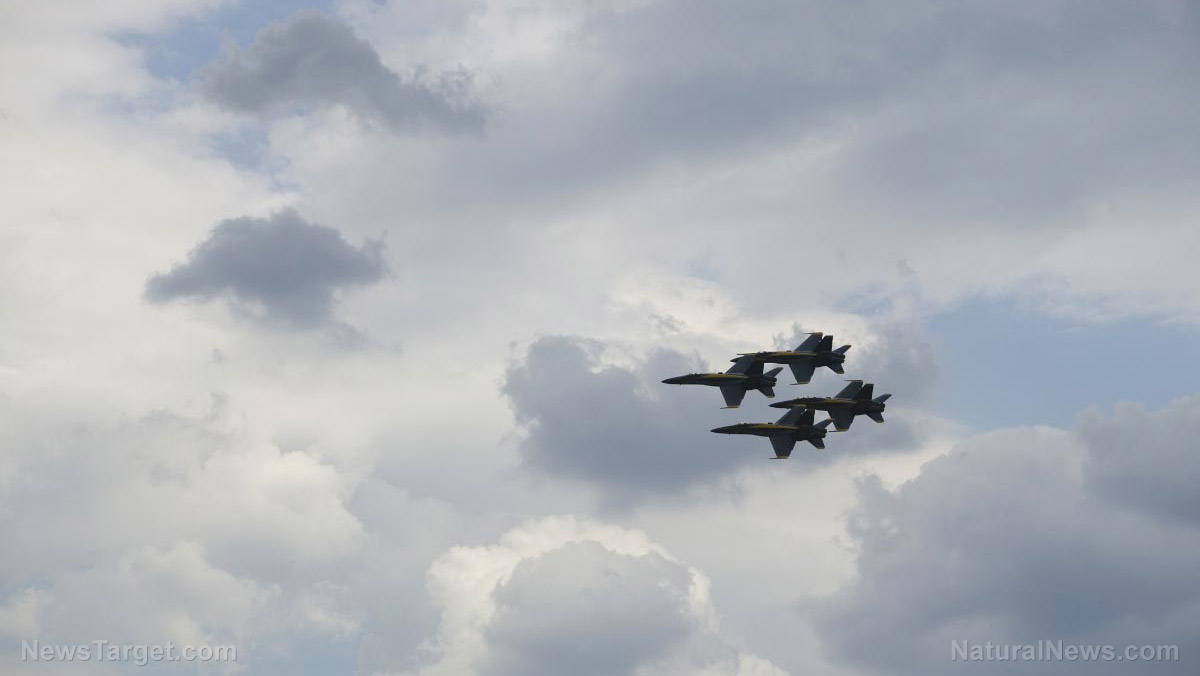
- Italian Eurofighter Typhoons under NATO command shot down an explosive-laden drone over Lithuania on Sept. 15, marking the first air defense shootdown in the Baltic nation's history.
- The drone entered Lithuanian airspace from Belarus, flying for 30 minutes near populated areas before being intercepted near Pratk?nai village.
- NATO Secretary-General Mark Rutte warned Russia is growing "increasingly reckless" as the Ukraine war spills closer to alliance territory.
- A Danish military helicopter was fired upon with flares by a Russian frigate in a separate Baltic Sea incident the same day.
- The downing follows a pattern of Russian drone incursions, sabotage and surveillance across multiple NATO member states.
Incursion and intercept: What happened over Lithuania
At approximately midnight on Sept. 15, an unidentified drone crossed into Lithuanian airspace from Belarus, triggering an immediate NATO response. Two Italian Eurofighter Typhoons assigned to the alliance's Baltic Air Policing Mission scrambled from Šiauliai Air Base and shot down the drone near Pratk?nai village, roughly 60 miles northwest of Vilnius.
The drone remained in Lithuanian airspace for about 30 minutes, flying along the outskirts of populated areas before being intercepted. Lithuanian Air Force Commander Antanas Matutis confirmed the recovered wreckage was "likely" carrying explosives, which bomb-disposal teams later neutralized. Lithuanian Defense Minister Robertas Kaunas publicly identified an explosive device on the drone.
Vilmantas Vitkauskas, head of Lithuania's National Crisis Management Center, said teams were dispatched to identify the drone's specifications and determine its intended target. The entire operation was coordinated through NATO's Combined Air Operations Centre in Uedem, Germany.
Escalating pattern: Russia's growing recklessness along NATO's border
The shootdown came just one day after NATO Secretary-General Mark Rutte warned that strikes close to alliance territory demonstrated Russian President Vladimir Putin's "desperation and also his desire to sow fear and terror." Rutte pledged to bolster the 32-nation alliance's defenses along its long eastern border with Russia and Belarus.
"This is not an isolated incident," said European Commission President Ursula von der Leyen, describing the events in Lithuania and Denmark as "part of a broader pattern of Russian aggression and provocation against Europe, testing our readiness and our resolve."
Officials in Germany, Denmark, the United Kingdom and Poland have in recent weeks accused Russia of involvement in drone incursions, sabotage, arson and surveillance of defense facilities, including plans to use an explosive-laden drone to attack an airport. Lithuania itself faced a May 2026 scare when Vilnius residents were told to take shelter and the president and prime minister were moved to secure locations during a drone alert near the Belarus border.
Baltic flashpoints: Denmark and the Kaliningrad factor
In a concurrent incident Tuesday, Denmark reported that a Russian frigate fired flares at a Danish air force helicopter conducting routine surveillance over the Baltic Sea near the port of Gedser. The Danish Foreign Ministry summoned the Russian ambassador, calling the action "completely unacceptable."
Russia's ambassador to Denmark, Vladimir Barbin, countered that the Danish helicopter had carried out "provocative actions against the Russian frigate" and that such encounters were not unprecedented.
The incidents highlight the strategic volatility of the Baltic region. Lithuania shares borders with both Belarus and the Russian exclave of Kaliningrad, which some NATO officials have described as a dangerous military outpost. In May, Lithuanian Foreign Minister Kestutis Budrys suggested NATO should be prepared to "raze military bases" there, a comment the Kremlin called "borderline insanity."
From Cold War brinkmanship to hybrid warfare
The downing of a drone over NATO airspace revives memories of Cold War-era incidents where the alliance and Soviet forces probed each other's defenses. In 2022, a Ukrainian air defense missile killed two people in Poland, briefly rattling NATO-Russia relations before being identified as an accident.
Today's threat environment differs fundamentally. Russian Gerbera-type drones have violated the airspace of Poland, Romania, Moldova, Latvia and now Lithuania. Stray Ukrainian drones have also crossed into Baltic airspace, including a May 2026 incident where a NATO fighter jet shot down a Ukrainian drone over southern Estonia. Ukraine has blamed such incidents on Russian signal-jamming.
Lithuanian President Gitanas Nauseda thanked NATO for its "swift response" without directly blaming Moscow, adding: "With Russia intensifying its aggression against Ukraine, such readiness is vital for our region."
The wider war: Ukraine strikes back as ceasefire efforts falter
The drone incident unfolded against a backdrop of continued hostilities. U.S. President Donald Trump claimed Monday that Russia and Ukraine had agreed "not to hit" each other's energy infrastructure, but previous such efforts have collapsed within hours. Ukrainian President Volodymyr Zelenskyy said Kyiv remained "ready to support de-escalation" if the United States could ensure Russia's genuine commitment to ending the war.
Meanwhile, Russian strikes continued across Ukraine, killing three people in Kyiv, Sloviansk and Kramatorsk. Ukraine responded by striking an oil refinery in Syzran and targeting a drone production facility in Taganrog. Russia's Defense Ministry reported shooting down 222 Ukrainian drones overnight.
A dangerous precedent for NATO's eastern flank
The first drone shot down over Lithuanian airspace marks a troubling milestone in the ongoing confrontation between Russia and the NATO alliance. Whether the incursion represents deliberate probing of NATO defenses, a navigational error amid Russia's drone-intensive campaign in Ukraine, or a hybrid warfare tactic designed to test alliance response times, the implications are clear: the war in Ukraine is pushing dangerously close to NATO territory.
NATO's swift response — two Italian Eurofighters scrambling within minutes and engaging an explosive-laden drone — demonstrates the alliance's operational readiness. But as Russian drones and provocations multiply across the Baltic region, each incident carries the risk of miscalculation that could escalate into a direct confrontation between nuclear-armed powers. The alliance must now balance vigilance with restraint, ensuring its eastern border remains secure without being drawn into a wider conflict.
Sources for this article include:








Please contact us for more information.