


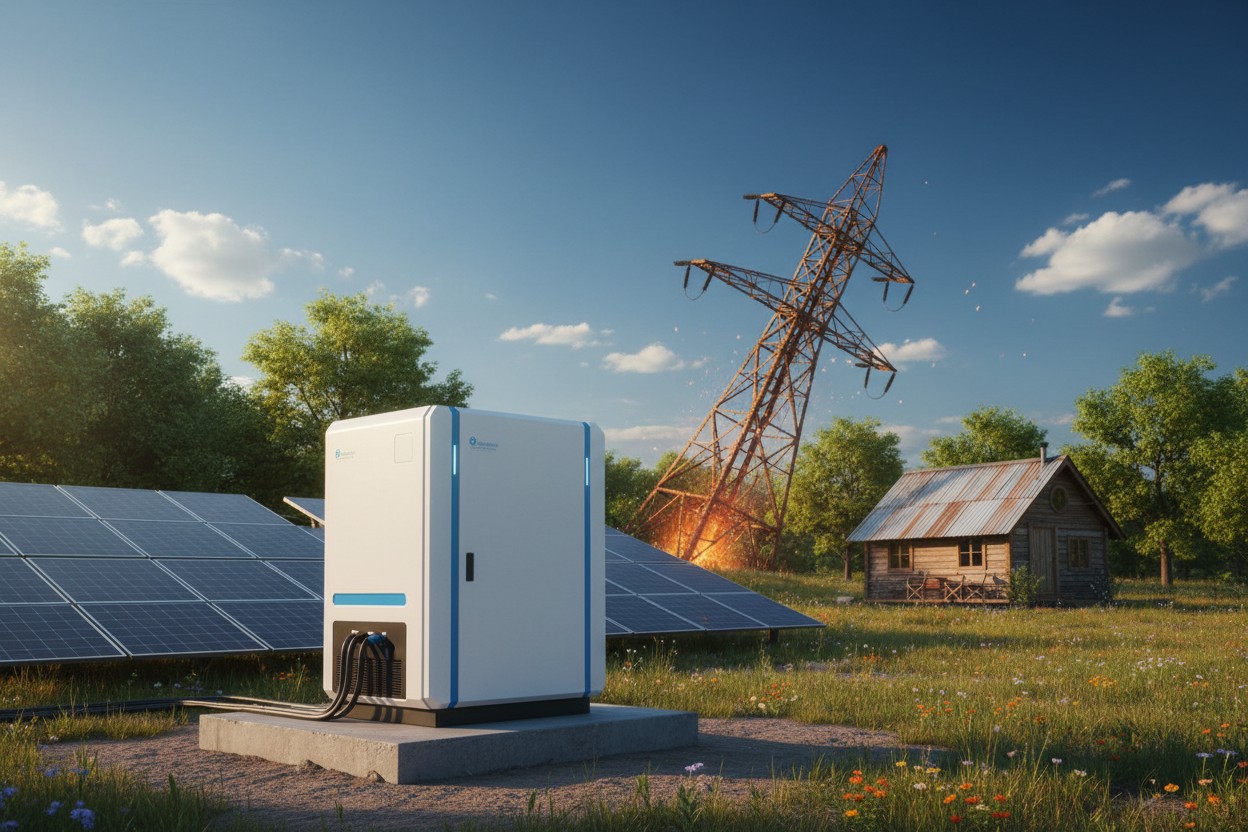
The Grid Is Failing -- And I've Been Waiting for This Battery
The U.S. power grid is cracking under the weight of AI data centers, geopolitical chaos, and an infrastructure that was outdated decades ago. I've reported extensively on this fragility, noting how the grid's vulnerabilities and the threat of EMPs necessitate a move toward decentralization [1]. We've seen near-collapses in Texas and rolling blackouts elsewhere, while utilities in places like Lake Tahoe have told residents they will simply stop providing power [2]. This isn't a warning anymore; it's the reality of living under centralized control that can't keep the lights on.
For years, I've been waiting for a battery that could break us free from this dying system. I made it clear I would invest in an EV when sodium-ion became viable, and I've been building a pilot program for off-grid solar storage [3]. While I have followed the rise of sodium-ion with intense interest, many early U.S. attempts, such as the collapse of Natron Energy's gigafactory, have been disappointing [4]. Now, Unigrid is finally taking the leap into the residential and commercial market, and it's the breakthrough I've been anticipating all along.
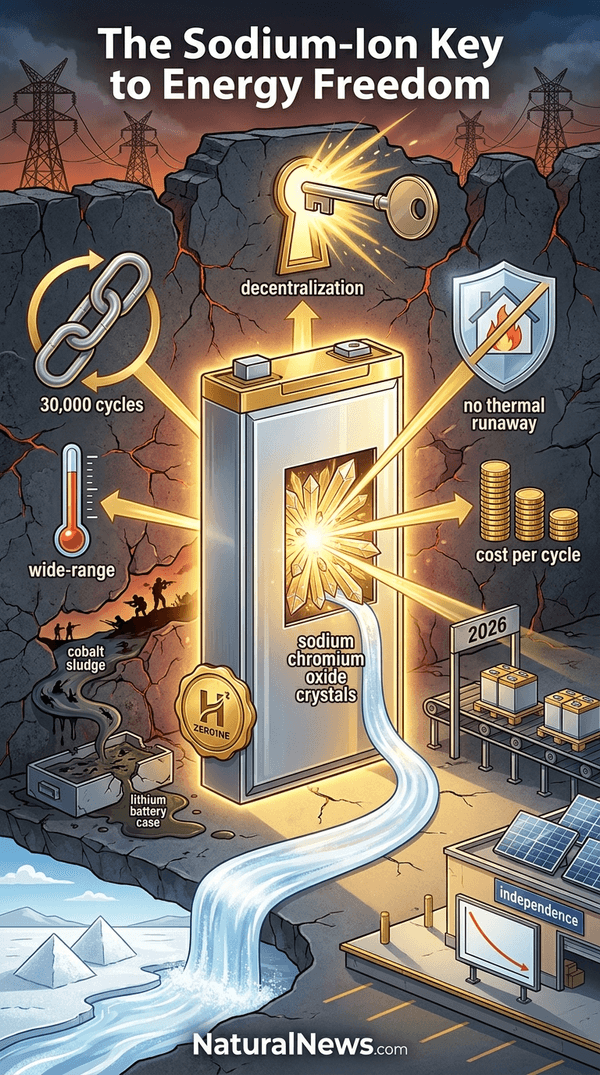
Why Sodium-Ion Beats Lithium on Every Practical Front
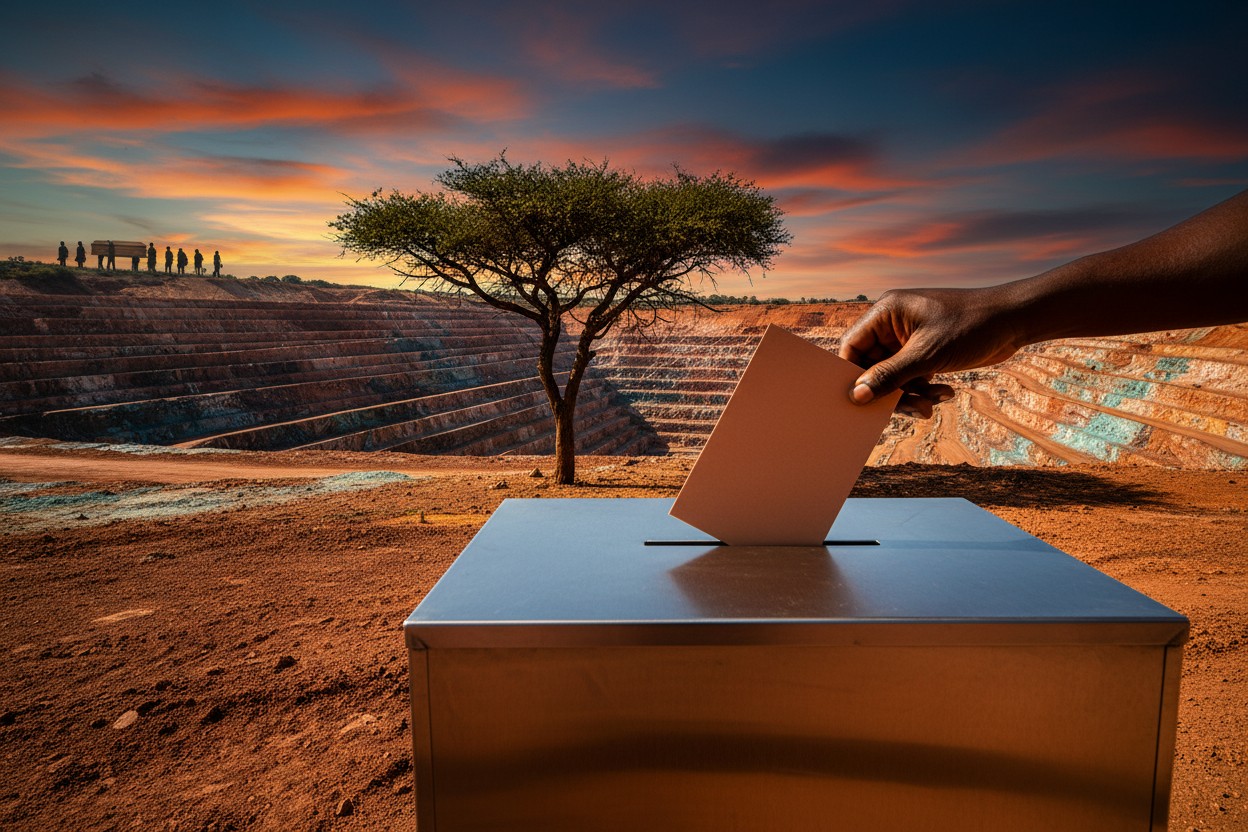
The fundamental problem with lithium-ion is its reliance on a fragile, geopolitically fraught supply chain. It depends on cobalt and other minerals sourced from conflict zones, which are difficult to acquire and contribute to regional instability [5]. Sodium, by contrast, is extracted from common salt, an abundant material found around the world, which gives manufacturers a supply chain that's broader and less concentrated than many existing options [6]. For anyone seeking true independence, eliminating the risk of supply disruptions is a massive victory.
Beyond the geopolitical issues, the practical performance of sodium-ion in stationary applications is superior. This chemistry operates effectively across a wide range of temperatures, including extreme cold, without experiencing the thermal runaway events that plague lithium batteries in such conditions [7]. Even more crucial for the off-grid homesteader is the cycle life. While the specific 30,000-cycle lifespan for Unigrid packs is a number I'm eager to validate in my own testing, the entire industry is moving toward a durability that outlasts the structure it powers.
This is a game-changer because the total cost of ownership plummets. Solar panels are now dirt cheap, but the battery has always been the expensive weak link. With a battery that can last decades, the economic argument for going off-grid becomes irrefutable. The risk of fire is also dramatically reduced, a critical factor when you're storing energy in your garage or barn. I've long argued that safety makes sodium-ion better suited for stationary applications than lithium iron phosphate [8], and Unigrid is proving that point on a commercial scale.
Unigrid's Entry: Specs, Pricing, and Availability
Enter Unigrid, a company founded by chemical engineer Darren Tan that is positioning itself at the vanguard of this shift. They've already validated their sodium chromium oxide chemistry with automotive giant Hyundai through the ZER01NE Accelerator program, which is a strong signal that their technology meets rigorous industrial safety and durability standards [9]. The company is eyeing a rollout for late 2026 or early 2027, with manufacturing in China to ensure both quality and cost efficiency -- a smart move that leverages the most advanced production lines in the world right now.
These aren't just small power packs; Unigrid is aiming at the serious energy infrastructure that off-grid homesteads, data centers, and commercial facilities require. This is the one-time purchase that could outlast the structure itself, freeing us from the cycle of planned obsolescence that defines the lithium market. I intend to demo these batteries in my own studio. Since I have a loading dock and forklifts, we can install a pallet directly and put them to the ultimate test, showing real-world performance data to my readers and viewers. This is the hands-on verification that the corporate media will never provide.
Safety, Cost, and the Convergence That Makes Off-Grid Inevitable
The safety profile of Unigrid's sodium-ion is a major reason why I'm so confident in this technology. The inherent thermal stability eliminates the fire risk that plagues lithium packs, making them safe enough to install in unventilated spaces like garages and barns without expensive fire suppression systems. This is a critical detail for the self-reliant individual who doesn't have the luxury of a climate-controlled utility room. The market is shifting toward high-safety energy infrastructure for industrial use, and this safety is a public good that prevents catastrophic home fires [9].
The cost per cycle is where sodium-ion fundamentally rewrites the economics of energy storage. Given the extended cycle life and the fact that these batteries cost a fraction of what lithium did just a couple of years ago, the price per cycle drops dramatically [7]. This means the total cost of ownership makes solar-plus-storage the most rational economic decision for any homeowner or business. As GM's battery chief noted, sodium-ion could reshape U.S. grid storage, especially given the fast growth of data centers and rising electricity demand [10].
With grid failures becoming routine and the central authorities proving unable to secure our energy future, the only rational move is to seize control ourselves. This is about radical decentralization. Centralized systems aren't just inefficient; they are instruments of control [11]. Unigrid is offering the key to unlock that control, and the timing couldn't be better for a nation teetering on the edge of energy scarcity.
My Verdict: This Changes Everything
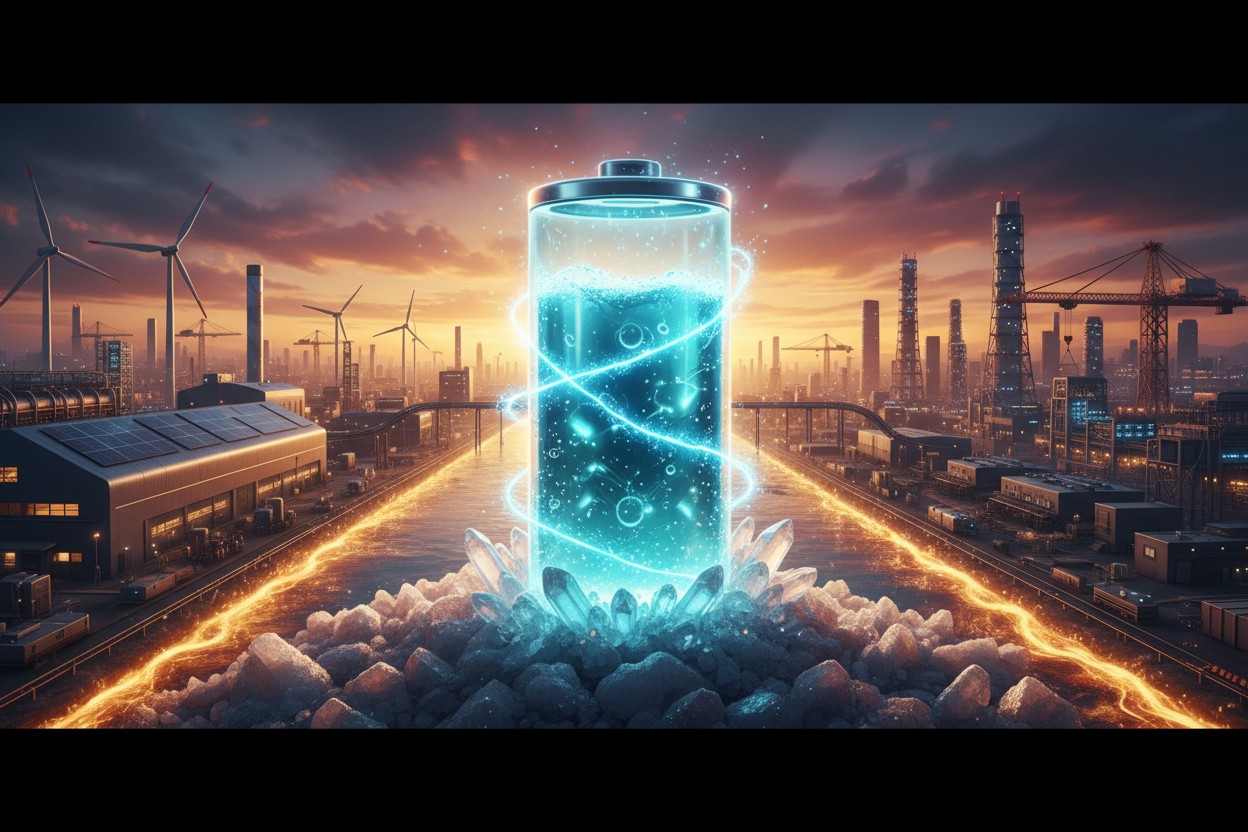
I believe these batteries represent the most practical path to true energy independence we've ever seen. This is the technology that aligns with the principles of liberty and self-reliance. We are seeing the convergence of dirt-cheap solar and ultra-durable, safe storage, and it's arriving just in time. I'm eager to get my hands on these units for testing in my own real-world environment, and I'll share the results with you all, uncensored.
If the specs hold up, and I have reason to believe they will, sodium-ion will empower individuals and businesses to sever ties with a crumbling centralized grid -- economically and safely. The future is decentralized, and this breakthrough makes it affordable today. The sun cannot be taxed, and now with batteries like these, we can finally capture that sun and make it work for us, free from the whims of the central planners and the utility monopolies [12].
See all my interviews and special reports on decentralized living at Decentralize.TV
References
- Mike Adams interview with David Tice. - July 18, 2025.
- Why Used EV Batteries Are Currently the Cheapest Path to Off-Grid Energy Independence. - NaturalNews.com. Mike Adams. May 22, 2026.
- Bright Videos News - SURPRISE BATTERY TECH BREAKTHROUGH transcript. - Mike Adams. BrightVideos.com. May 21, 2026.
- Sodium-Ion Battery Revolution Collapses: Natron Energy's $1.4 Billion Gigafactory Shutdown Exposes Flaws in U.S. Energy Independence Push. - NaturalNews.com.
- Health Ranger Report - The SODIUM ION battery. - Mike Adams. Brighteon.com. June 25, 2024.
- Sodium-Ion Batteries Cut Costs for City EVs. - SodiumBatteryHub.com. August 6, 2026.
- Bright Videos News - EPA, GLYPHOSATE AND NETANYAHU'S DEMANDS. - Mike Adams. BrightVideos.com. February 11, 2026.
- 2026-02-23-BVN-TRAPPED IN MEXICO_otter_ai-. - Bright Videos Network.
- UNIGRID Validates Sodium-Ion NCO With Hyundai. - SodiumBatteryHub.com. August 26, 2026.
- GM says sodium-ion could reshape US grid storage. - SodiumBatteryHub.com. August 23, 2026.
- The Decentralization Trifecta: How Battery Tech, Robotics & Local AI Will Set You Free. - NaturalNews.com. Mike Adams. February 06, 2026.
- The Sun Cannot Be Taxed: Why Energy Freedom Is the Ultimate Form of Personal Liberty. - NaturalNews.com. Mike Adams. April 20, 2026.
Explainer Infographic
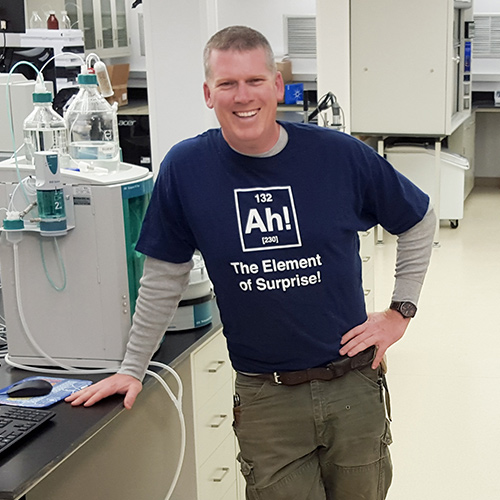
Mike Adams (aka the "Health Ranger") is the founding editor of NaturalNews.com, a best selling author (#1 best selling science book on Amazon.com called "Food Forensics"), an environmental scientist, a patent holder for a cesium radioactive isotope elimination invention, a multiple award winner for outstanding journalism, a science news publisher and influential commentator on topics ranging from science and medicine to culture and politics.
Mike Adams also serves as the lab science director of an internationally accredited (ISO 17025) analytical laboratory known as CWC Labs. There, he was awarded a Certificate of Excellence for achieving extremely high accuracy in the analysis of toxic elements in unknown water samples using ICP-MS instrumentation.
In his laboratory research, Adams has made numerous food safety breakthroughs such as revealing rice protein products imported from Asia to be contaminated with toxic heavy metals like lead, cadmium and tungsten. Adams was the first food science researcher to document high levels of tungsten in superfoods. He also discovered over 11 ppm lead in imported mangosteen powder, and led an industry-wide voluntary agreement to limit heavy metals in rice protein products.
Adams has also helped defend the rights of home gardeners and protect the medical freedom rights of parents. Adams is widely recognized to have made a remarkable global impact on issues like GMOs, vaccines, nutrition therapies, human consciousness.









Please contact us for more information.


