



Key points:
- Russian forces are intensifying attacks on the northern and southern tips of Ukraine's "Fortress Belt" in Donetsk Oblast, targeting the Slovyansk-Kramatorsk agglomeration.
- Russian troops have breached sections of the first Ukrainian defensive line near Slovyansk and Kramatorsk and are employing small-unit infiltration tactics to bypass strongpoints.
- Ukraine is restructuring its military command and establishing new formations to bolster its defense in Donetsk Oblast.
- Russian forces are conducting a systematic campaign of air interdiction, using glide bombs and multiple launch rocket systems to degrade Ukrainian logistics and urban defenses.
- Russian military reporting has been marred by inaccuracies, reflecting a pattern of "beautiful reports" that exaggerate advances and potentially hinder operational planning.
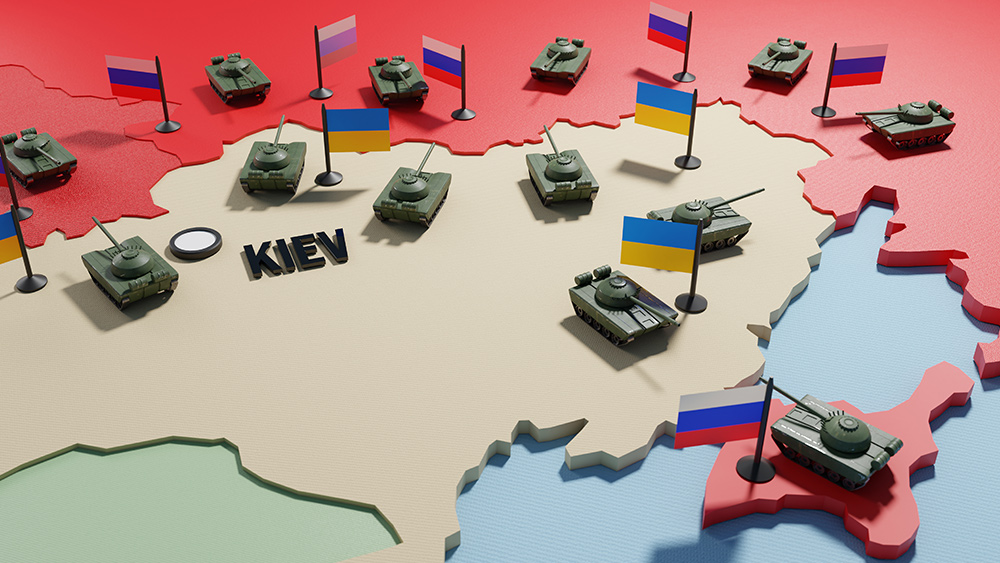
The current Russian offensive, a central component of its Spring-Summer 2026 campaign, appears to be focused on seizing the remaining Ukrainian-held territories in Donetsk Oblast. The primary strategic objective for the Kremlin remains the capture of the Slovyansk-Kramatorsk urban agglomeration, a heavily fortified bastion of Ukrainian control in the Donbas. Russian forces are executing a two-pronged effort, attacking both the northern and southern extremities of the Ukrainian defensive line, often referred to as the "Fortress Belt". This includes fierce fighting around the key city of Kostyantynivka, a southern lynchpin of the Ukrainian defense. Military observers note that Russian forces have been infiltrating the city for months using small infantry groups, though they have yet to fully consolidate control. The objective is to create a tactical bulge that can eventually be exploited to advance on the larger cities of Druzhkivka and Kramatorsk.
Tactics of infiltration and the Battle for Slovyansk
On the northern axis, Russian forces are focused on Slovyansk, a major city that has been a key objective since the war's early days. After an unsuccessful attempt to advance from the northeast through Lyman, Russian commanders have shifted their efforts to the eastern and southeastern approaches. A critical element of this new strategy is a systematic battlefield air interdiction (BAI) campaign. This involves the relentless use of glide bombs and Smerch and Tornado-S multiple launch rocket systems to strike Slovyansk and its environs. The goal is twofold: to degrade Ukrainian logistics and defenses while also turning the city into a landscape of rubble that provides cover for advancing infantry.
Russian forces are employing a mix of tactics to overcome the Ukrainian defenses. In the broader campaign, Russian troops are using small-unit infiltration tactics, sometimes called "running assault groups," to probe for weak points in Ukrainian lines. These small groups are used to slip between Ukrainian positions, seeking gaps in the defense that can be exploited. Once a foothold is gained, Russian forces can rapidly reinforce the position to expand the breach. This approach is a direct response to the fortified nature of the "Fortress Belt" and aims to avoid costly frontal assaults on prepared positions.
A battle of attrition, not a blitzkrieg
Despite the rhetoric of an "unstoppable" advance, the progress of Russian forces has been measured and costly. A leaked Russian Ministry of Defense map from April 2026 highlighted the issue of "beautiful reports," in which field commanders exaggerate their gains to their superiors, leading to flawed operational planning. This has contributed to a war of attrition, where advances are often measured in hundreds of meters and are heavily contested. Ukrainian military leadership, meanwhile, is taking steps to solidify its defense, with Commander-in-Chief Major General Mykhailo Drapatyi proposing a headquarters restructuring to better manage the defense of Donetsk Oblast.
The current phase of the war in Donetsk Oblast is a brutal and grinding contest. While Russian forces are making tangible tactical gains and are on the outskirts of key cities, the claim of an "unstoppable" offensive does not match the reality of a determined Ukrainian defense and the complex, fortified terrain. The battle for the "Fortress Belt" is likely to be a protracted and bloody affair, with the outcome far from certain, especially as Ukraine continues to receive help breaching Russia itself.
Sources include:





Please contact us for more information.


