


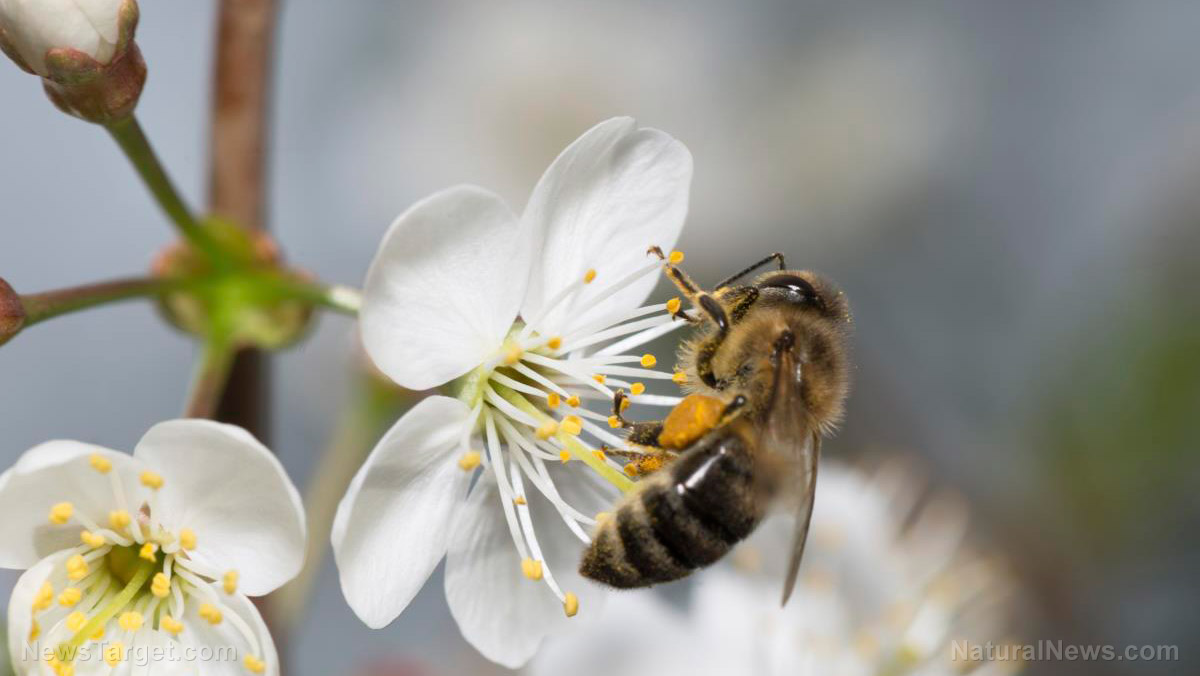
- Glyphosate exposure reduces honeybee foraging activity by 13.4 percent
- The herbicide disrupts brain chemistry linked to learning and motivation
- Researchers found altered neurotransmitters in bees that consumed glyphosate
- A colony-wide drop in foraging threatens honey production and survival
- The study challenges long-held assumptions that glyphosate is safe for bees
For decades, regulators and farmers assumed the world's most widely used herbicide was harmless to honeybees because it targets a plant enzyme that insects lack. A new Virginia Tech study says otherwise, finding that even low-level glyphosate exposure alters bee brain chemistry and cuts into foraging output — a finding with real consequences for how well colonies hold up over time.
Published in the Journal of Experimental Biology, the study — led by Associate Professor Margaret Couvillon and Ph.D. student Laura McHenry — tracked honeybees over three days as they fed from artificial stations laced with glyphosate at agricultural concentrations. Exposed bees reduced their foraging by 13.4% compared to unexposed bees and showed significant chemical changes in their brains.
"For a colony, a 13 percent reduction in foraging can be consequential," Couvillon said. "If the entire colony was exposed, this could lead to decreased pollination effectiveness and reduced honey production, risking colony survival and long-term stability."
How glyphosate alters bee brain chemistry
The researchers went beyond observation by dissecting the brains of exposed bees and measuring biogenic amines — neurotransmitters that regulate foraging drive, learning, and motivation. They analyzed octopamine, tyramine, dopamine, and the amino acid tyrosine. Bees that consumed glyphosate showed altered correlations between these neurochemicals, suggesting the herbicide interferes with pathways that govern normal behavior.
A single healthy hive can hold 30,000 to 60,000 bees, with about a third of them out foraging at any time. A 13% drop across that workforce adds up fast, week over week — reducing honey stores, weakening larvae, and diminishing the colony's ability to fight disease.
The findings carry extra weight because glyphosate, the active ingredient in Roundup and countless generic products, was long classified as low-risk to pollinators. The reasoning was simple: the chemical blocks the shikimate pathway, a process plants and some microbes rely on but insects do not have — so scientists assumed there was nothing for it to disrupt. This new research suggests that reasoning missed how sublethal exposure can still damage bees through separate pathways only now coming into focus.
What this means for regulators and beekeepers
McHenry, now a postdoctoral researcher at Penn State, emphasized the policy stakes. "Understanding how weedkillers affect beneficial insects like pollinators will help us make more strategic regulatory choices about when and where to use them for maximum benefit and minimum harm," she said.
The research adds to a growing body of evidence that sublethal pesticide effects may be as consequential as outright mortality. A 2018 study in the Proceedings of the National Academy of Sciences found that glyphosate disrupts honeybee gut microbiota, leaving bees more vulnerable to disease. Combined with disrupted brain chemistry, the compound appears to weaken colonies slowly, from the inside out.
The Varroa destructor mite is still considered the single biggest driver of U.S. colony losses, according to the Bee Informed Partnership. But researchers say chemical exposure piles onto that stress, pushing already-struggling hives past the point of recovery.
The Virginia Tech study was supported by the National Institute of Food and Agriculture. Couvillon and McHenry say more work is needed to understand how glyphosate behaves under real-world conditions in the landscape.
For now, the findings fit a pattern that's become hard to ignore: chemicals cleared as "safe" decades ago, under assumptions that were never fully tested, keep turning out to carry hidden costs. Regulators approved glyphosate based on the idea that no target enzyme meant no harm — a theory that held up in the lab but not, it turns out, in the hive. Beekeepers and consumers alike are left footing the bill for that oversight, and it's a reminder that when industry and regulators are slow to look for sublethal harm, nature often pays the price first.
Sources for this article include:










Please contact us for more information.


