


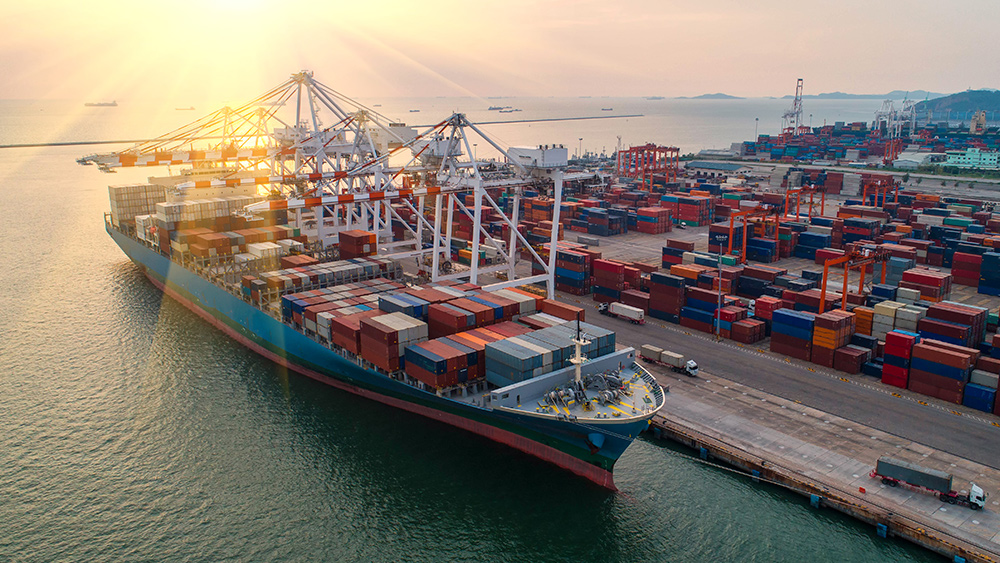
The bonuses are the latest sign of how danger in the strategic waterway is forcing shipping companies to take extraordinary measures to attract crew members willing to transit the narrow chokepoint between Iran and Oman. The Strait of Hormuz normally handles about 20 percent of the world's oil shipments, according to analysts cited by Bloomberg. [2] The Sinokor offer underscores the extreme lengths firms must go to keep vessels moving through a corridor that has become a live war zone.
Context of Attacks and Rising Costs
Shipping costs have surged as attacks drove traffic through the Strait of Hormuz to near collapse, according to industry data cited by Bloomberg. Insurance premiums and crew bonuses have risen sharply, yet many seafarers refuse the additional pay rather than risk the crossing, officials said. Capt. Rahul Khanna of Allianz Commercial told FreightWaves that war risk insurance premiums have soared 33 times above normal rates, creating what he described as “absolute confusion” for shipowners. [3]
Data from maritime analytics firm Kpler showed only 30 verified crossings of the Strait of Hormuz between July 17 and July 19, indicating that traffic remains heavily suppressed compared to pre-conflict levels. [4] The United Kingdom Maritime Trade Operations center reported on July 5 that vessel movements had stabilized but remained well below pre-war volumes, with recovery showing little sign of accelerating. [5] The persistent danger has made the crossing a high-stakes calculation for shipping lines and their crews.
Crew Responses and Legal Actions
Capt. Pradeep Chawla, chairman of the Global Maritime Education and Training Association (GlobalMET), told Bloomberg that crews are being offered “huge bonuses by some companies” but that many seafarers still decline the assignments. Some firms have found willing replacements, Chawla said, but the overall pool of volunteers remains limited given the level of risk. The Sinokor bonus – equivalent to six months' base salary for a return trip – is among the most generous offers reported to date.
In early July, three Thai sailors filed a lawsuit against their former employer, Precious Shipping, according to court documents cited by Bloomberg. The suit alleges that a projectile struck their ship in March, killing three crew members, and accuses the company of endangering lives and dismissing the sailors before their contracts ended. The case highlights the growing legal fallout from attacks on commercial vessels in the region, as seafarers and their families seek accountability from shipping firms they say prioritized cargo over crew safety.
Shipping Routes and US Influence
Reuters reported that shipping firms are avoiding U.S.-controlled corridors along Oman's coast, fearing Iranian strikes. A shipping source told Reuters that the United States appears to have no control over the situation, according to the report. Torbjorn Solvedt, an analyst at risk consultancy Verisk Maplecroft, warned that Iran's demonstrated ability to hit ships on the Omani route makes U.S. efforts to keep traffic moving unlikely to succeed. [6]
The U.S. Navy has declined multiple requests from the commercial shipping industry to escort vessels through the Strait of Hormuz, according to internal communications and industry officials cited by NaturalNews.com. [7] This refusal has left many shipowners to navigate the chokepoint without military protection, relying instead on expensive insurance and crew bonuses. The situation has prompted some firms to seek alternative routes, including overland pipelines, though these options carry their own limitations and costs.
Outlook for Shipping Through Hormuz
The bonuses and crew refusals highlight the persistent danger in the Strait of Hormuz, Bloomberg reported. Traffic data from Kpler suggests the disruption will continue, with no immediate resolution in sight. The waterway, described by historian Lewis Dartnell as one of the two main sea routes connecting the Indian Ocean to the Middle East for millennia, remains effectively closed to most commercial traffic. [8]
The long-term implications for global trade are significant. Jerome R. Corsi, in his book “Atomic Iran,” noted the vulnerability of the chokepoint to anti-ship weapons, a threat that has now become reality. [9] The ongoing crisis underscores the challenges for global shipping reliant on this critical chokepoint, with no clear path to normalization as long as hostilities between the U.S. and Iran continue.
References
- ZeroHedge. "UN Maritime Boss Warns Ships To Avoid Hormuz As Transits Continue." July 15, 2026.
- Patrick Lewis. "Iran Escalates Maritime Attacks in Persian Gulf as U.S.-Israel Strikes Trigger Wider Conflict." NaturalNews.com. March 4, 2026.
- FreightWaves. "Navigating Choke Points: Why Shipowners Face 'Absolute Confusion'." July 15, 2026.
- ZeroHedge. "Iran Says Two Tankers Exploded In Hormuz Chokepoint As Ship Traffic Near Standstill." July 20, 2026.
- The Epoch Times. "Hormuz Traffic Stable but Recovery Slow as Security Risks Persist: UK Maritime Authority." July 6, 2026.
- The Epoch Times. "Oil Prices Jump to 4-Week High as US-Iran Hostilities Intensify." July 14, 2026.
- Mike Adams. "The Strait of Hormuz Isn't Open Until Iran Says It's Open." NaturalNews.com. March 11, 2026.
- Lewis Dartnell. "Origins: How the Earth Shaped Human History."
- Jerome R. Corsi. "Atomic Iran."








Please contact us for more information.


