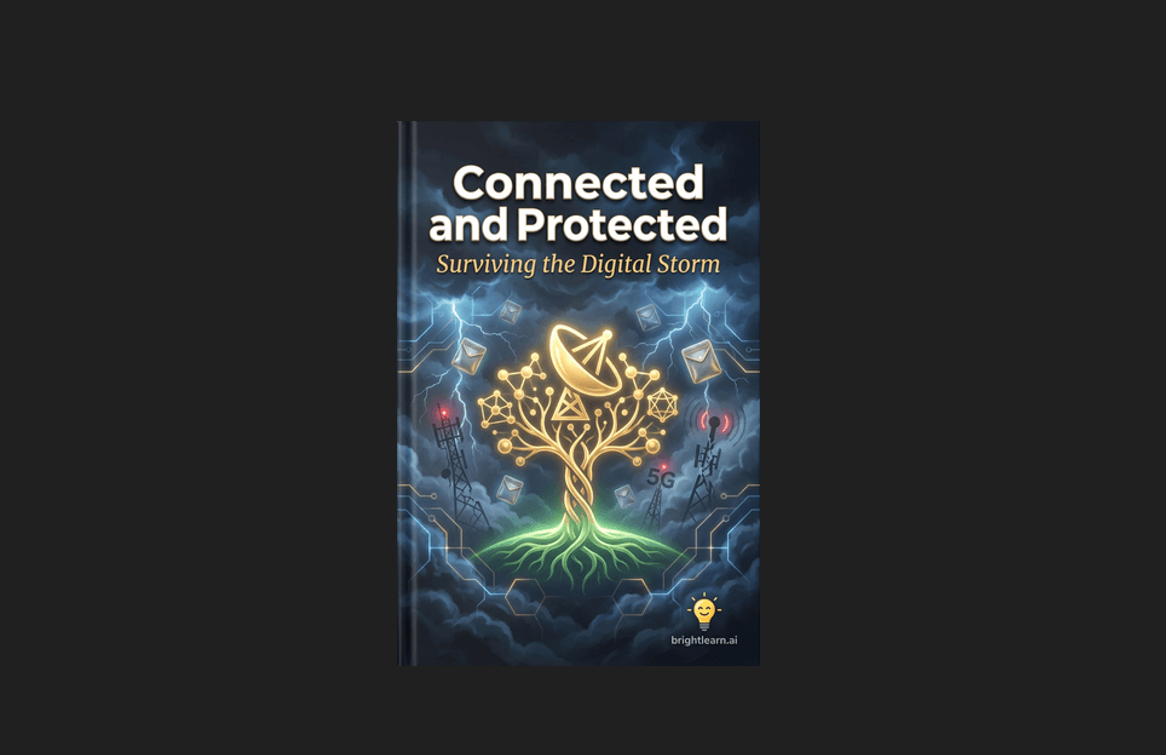
- "Connected and Protected" exposes how modern society's reliance on brittle, centralized systems (cell towers, power grids) makes the public vulnerable to collapse from a single point of failure, such as a cyberattack, weather event or sabotage.
- The book reveals that smartphones are tracking devices by design, logging location and creating permanent digital fingerprints for use by governments and institutions, violating privacy without consent.
- The authors document how non-ionizing radiation from phones damages cells via voltage-gated calcium channels, causing cancer, heart disease and neurological disorders, especially in children.
- The book argues satellite communication is not a luxury but a fundamental tool for freedom, providing a private, unhackable network that operates independently of cell towers and centralized control.
- True resilience requires combining satellite communications, EMF protection, solar energy, food autonomy and community networks, creating a system where no single failure can destroy your ability to survive or communicate.
We live in an age of magnificent illusions. We carry devices that we believe connect us to everything and everyone, yet these same devices are the chains that bind us to a system designed to fail—and to track us when it doesn't. Mike Adams and the team behind "Connected and Protected: Surviving the Digital Storm" have done something remarkable: They've written a survival manual that reads like a declaration of independence.
This book is not your grandfather's preparedness guide. There are no bunker blueprints or lectures about stockpiling ammunition (though those have their place). Instead, "Connected and Protected" offers something far more valuable: a philosophy of personal sovereignty wrapped in practical, actionable steps that anyone can take starting today.
The fragility you never noticed
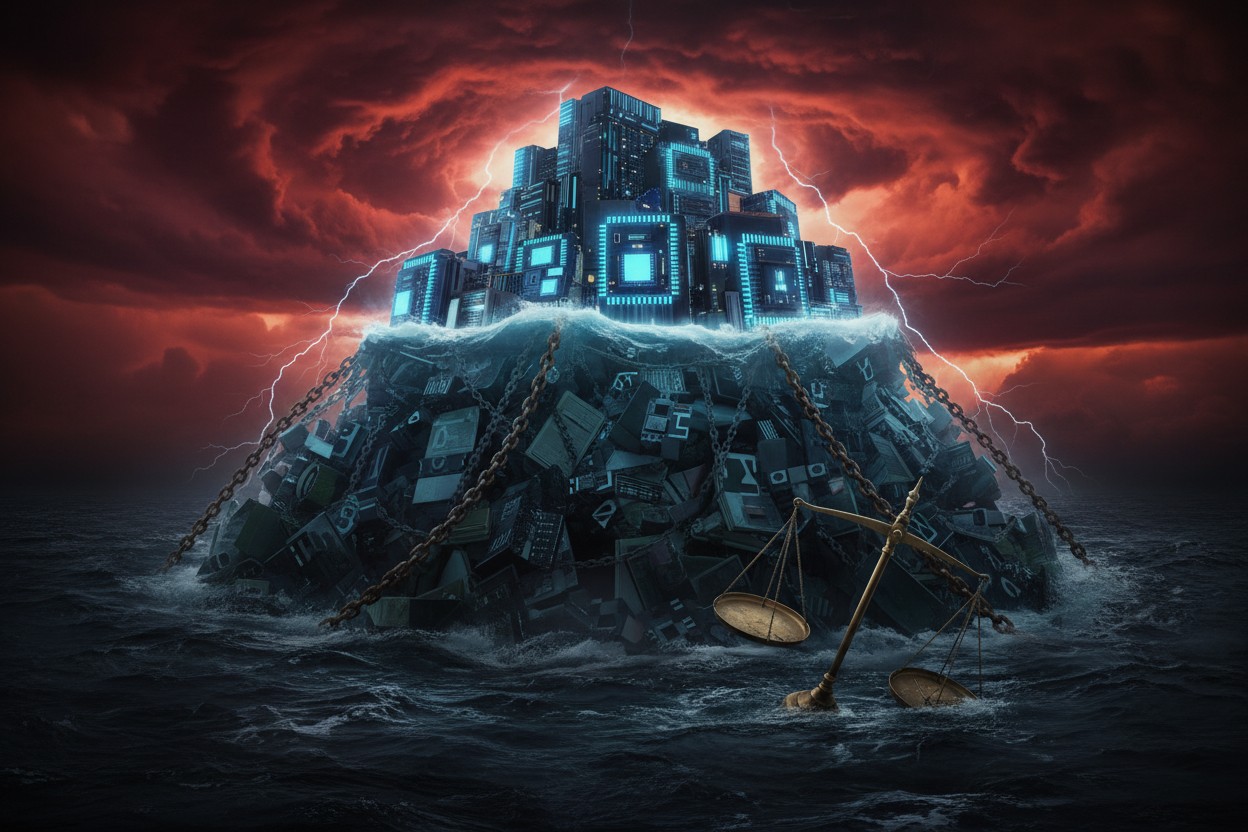
The book opens with a truth so obvious it's almost invisible: Our infrastructure is brittle. One sagging power line in Ohio in 2003 left 55 million people in darkness. A single cyberattack on the Colonial Pipeline in 2021 shut down fuel supplies across the East Coast. Hurricane Maria turned Puerto Rico into a communication black hole for weeks.
The authors make a compelling case that we've been sold a fantasy of reliability. Your smartphone—that sleek extension of your hand—is only as useful as the cell tower it connects to. And that tower? It needs electricity. And that electricity comes from a grid that can be toppled by a tree branch, a solar flare or a bad actor with a laptop.
The surveillance you didn't sign up for
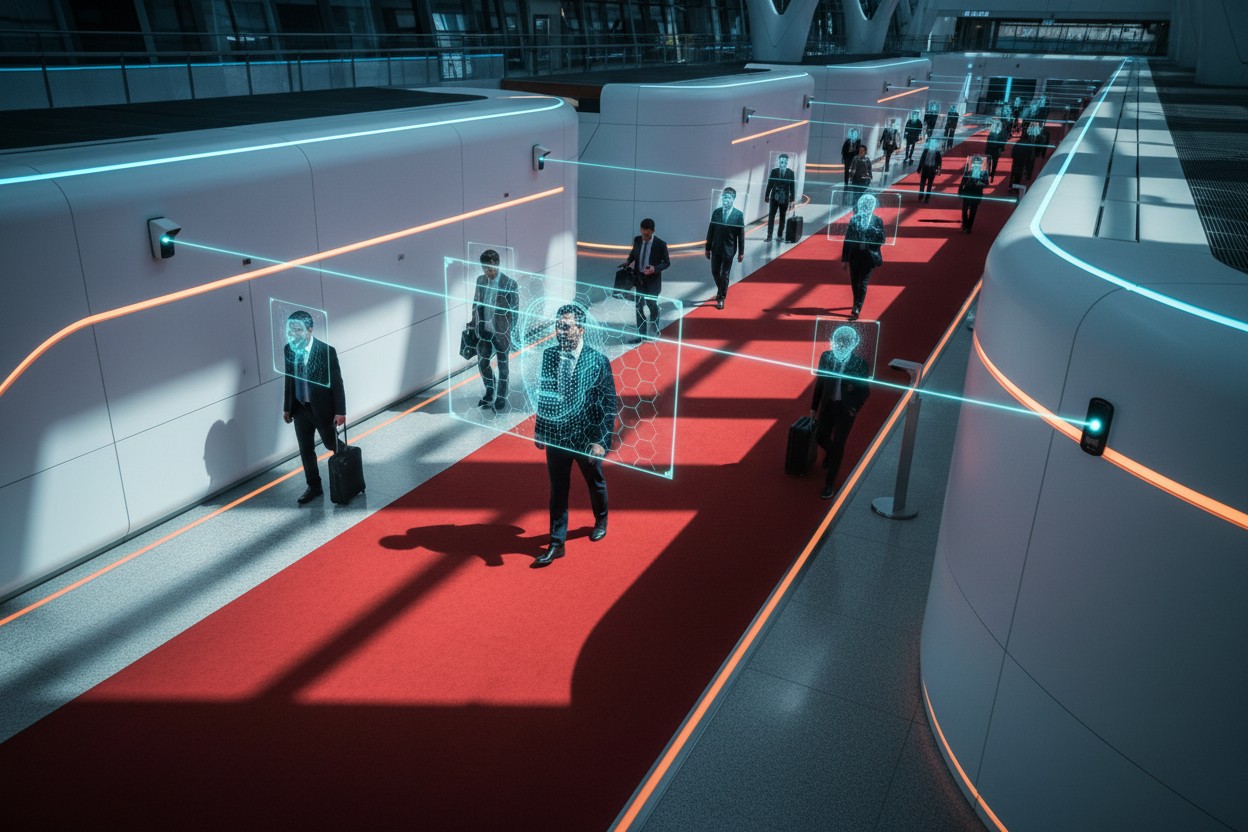
Perhaps the most chilling section of the book deals with what your phone is doing when you're not looking. Every ping to a cell tower logs your location. Every app request creates a permanent digital fingerprint. The authors document how geofencing warrants can sweep up innocent bystanders into criminal investigations simply because their phones were near a crime scene.
This isn't paranoia. This is documented reality. The book cites real cases: Standing Rock protesters tracked through their phones, domestic violence survivors whose abusers weaponized shared accounts, innocent people caught in digital dragnets. As one section puts it, "Privacy is not about hiding something illegal. It is about protecting everyone from the unaccountable power of institutions."
The health crisis in your pocket
Here's where the book takes a turn that many conventional preparedness guides ignore: the electromagnetic field (EMF) crisis. "Connected and Protected" doesn't just tell you to buy a satellite phone—it explains why you need to protect your body from the radiation those devices emit.
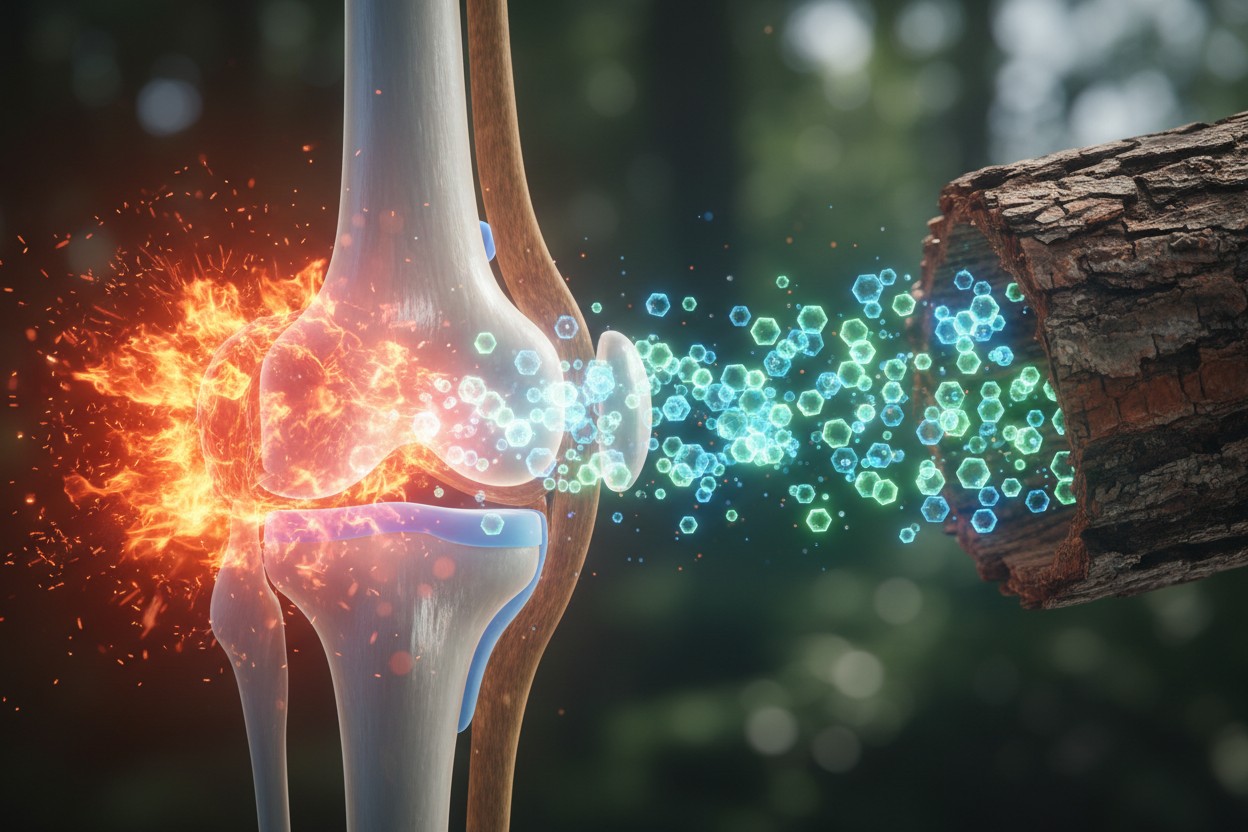
Drawing on the work of Dr. Joseph Mercola and Dr. Martin Pall, the authors explain how non-ionizing radiation damages cells through voltage-gated calcium channels, creating oxidative stress that can lead to cancer, heart disease and neurological disorders. Children are especially vulnerable—their skulls are thinner, their bodies smaller and they have a lifetime of exposure ahead.
The book offers practical solutions: Faraday bags for your devices, shielding materials for your home, grounding techniques to discharge accumulated EMF and nutritional strategies to support your body's natural defenses. It's not about rejecting technology—it's about using it on your terms, with awareness.
The communication revolution
At the heart of the book is a powerful message about satellite communication. "Connected and Protected" makes the case that a satellite phone is not a luxury item for adventurers—it's a fundamental tool for anyone who values their freedom and safety.
The authors explain the difference between satellite networks (Iridium, Globalstar, Inmarsat) and why Iridium's 66 low-earth-orbit satellites offer truly global coverage. They walk you through choosing the right device, from the Iridium 9555 for voice calls to the Garmin inReach Mini for text and GPS tracking.
But the most compelling argument is about independence. A satellite phone, as the book repeatedly emphasizes, is "your own personal cell tower." No one can hack it, no one can take it down and no one can track you through it. In a world where centralized systems are increasingly controlled by governments and corporations, that's not just convenience—it's freedom.
The multi-layered approach
What sets this book apart is its refusal to offer a single solution. The authors advocate for a multi-layered approach that combines:
- Satellite communications for when cell towers fail
- EMF protection for your health and privacy
- Physical security for your home and family
- Energy independence through solar panels and battery storage
- Food and water autonomy through gardening, canning and water purification
- Community networks for mutual aid and support
Each layer covers the gaps of the others. A satellite phone won't help if your batteries are dead. A Faraday bag won't protect you from a home invasion. But when all the layers work together, you build something that no single failure can destroy.
The 30-day action plan
The book closes with a practical roadmap that takes you from assessment to action in just one month. Starting with evaluating your vulnerabilities, you progress through acquiring a Faraday bag, securing satellite communication, installing solar power, building food and water reserves and finally running a 72-hour grid-down test.
This is not theory. This is a plan you can execute starting today.
Why this book matters now
We are living through what the authors call "the digital storm." The convergence of natural disasters, cyberattacks, economic instability and deliberate disruption means that the systems we take for granted will fail—and sooner than most expect.
"Connected and Protected" doesn't ask you to live in fear. It asks you to live in awareness. It asks you to take responsibility for your own safety, your own health and your own freedom.
The book's ultimate message is simple but profound: You have a choice. You can remain dependent on systems that are fragile, corrupt and increasingly hostile to your liberty. Or you can build your own resilience—starting with a satellite phone, a Faraday bag and the determination to take back control of your life.
Read this book. Then act on it. The digital storm is coming, but you don't have to be caught in the rain.
Grab a copy of "Connected and Protected: Surviving the Digital Storm" via this link. Read, share and download thousands of books for free at Books.BrightLearn.AI. You can also create your own books for free at BrightLearn.AI.
This video is from the Health Ranger Report channel on Brighteon.com.
Sources include:




Please contact us for more information.