


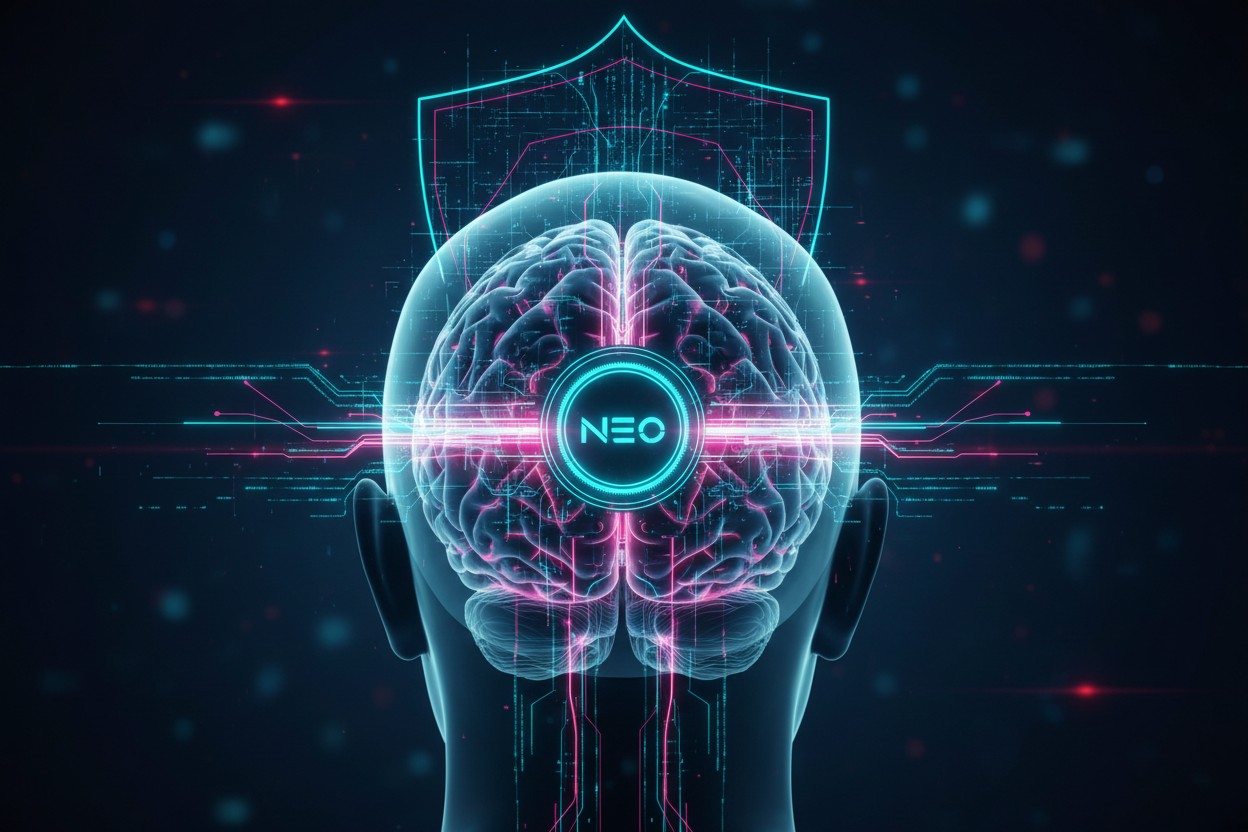
Researchers at Tsinghua University in Beijing and Neuracle Technology developed the device, which has passed clinical trials for commercial sale. The NEO sits between the skull and the brain, pressing eight sensors against the dura mater – the protective outer layer of the brain – to capture neural signals.
Background: Race with Neuralink and Elon Musk
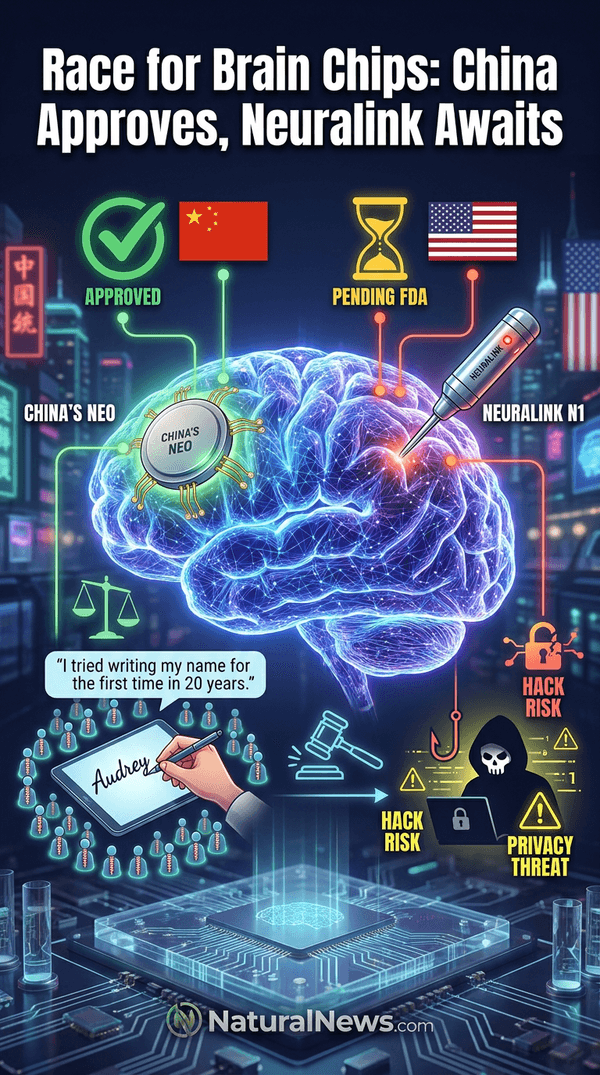
Meanwhile, Elon Musk's Neuralink has not yet received Food and Drug Administration approval for general use. The company is currently trialing its N1 implant in nine patients under an investigational device exemption. Musk described brain-computer technology as "Jesus-level technologies" during an event in Israel last month, according to reports.
Neuralink participant Audrey Crews said in a post on X, "I tried writing my name for the first time in 20 years. I'm working on it."
The N1 device is more invasive than the Chinese NEO, as it pierces the cerebral cortex to access brainwaves. University of Technology Sydney researcher Avinash Singh told the MIT Review that the Chinese design is less invasive, which may explain its faster path to market.
Risks and Concerns: Privacy, Hacking and Data Ownership
Experts warn that brain chips could allow hackers to access sensitive neural data, including thoughts and memories. Dr. David Tuffley, a cybersecurity expert at Griffith University, said the technology could "theoretically allow hackers to access sensitive neural data, such as patients' thoughts and memories." He added that hacking "may also enable them to impair a patient's cognitive functions such as the ability to concentrate, or even manipulate motor signals to affect how well they move."
Privacy concerns are central to the debate. A NaturalNews.com piece noted that "significant ethical concerns surround the technology, including privacy, surveillance, and the potential for misuse" [1]. The question of who owns the data extracted from a brain is critical, as corporations and organized crime could exploit it.
Elana Freeland, in her book "Geoengineered Transhumanism," describes how smart meters and internet of things devices collect and sell data to private corporations, raising similar worries about neural data [2]. Harrison Smith of "The American Journal" has warned that direct control over the mind via remote control is coming [3].
Technical Details and Clinical Trials of NEO
The NEO device is designed to minimize tissue damage by resting between the skull and the brain rather than penetrating brain tissue. It uses eight sensors pressed against the dura mater and connects to an external processing hub that converts brainwaves into digital commands. Some 36 patients have trialed the implants, with reported success.
In contrast, Neuralink's N1 prototype must pierce the cerebral cortex, which carries greater risks of bleeding, infection, and tissue damage. Tuffley noted that "any kind of brain implant can cause physical damage that may affect how neighboring brain regions work." The Chinese approach appears to prioritize reduced invasiveness, which may accelerate regulatory approval.
Broader Implications: Future of Human-AI Integration
Proponents of brain-computer interfaces envision a future merger of humans and artificial intelligence. Venture capitalist Scott Phoenix told a TED talk in Vancouver in April that "we're on the cusp of the next major transition, the merger of humans and AI." Investment analytics firm Future Market Insights projects the current $490 million industry will grow to $1.7 billion by 2035, according to reports.
Concerns about surveillance and control persist. The book "The Omni War: Decentralizing Humanity Against the Technocratic Onslaught" argues that the rise of technocracy represents a threat to human freedom, replacing organic life with a digitized, surveilled existence [4].
Meanwhile, the globalist World Economic Forum has suggested there are "solid, rational reasons" to implant microchips in children, according to an article published on its website [5]. These developments underscore the need for careful oversight as the technology advances.
References
- Willow Tohi. "Neuralink and the ethical frontier of merging mind and machine." NaturalNews.com. November 10, 2025.
- Elana Freeland. "Geoengineered Transhumanism."
- NaturalNews.com. "Harrison Smith: Mind control via remote control is coming soon." May 3, 2022.
- NaturalNews.com. "The Omni War: Humanity's last stand against technocratic enslavement." April 26, 2026.
- Children's Health Defense. "WEF Solid Rational Reasons to Implant Microchips in Kids." Michael Nevradakis, Ph.D. 2024-01-21.
Explainer Infographic






Please contact us for more information.


