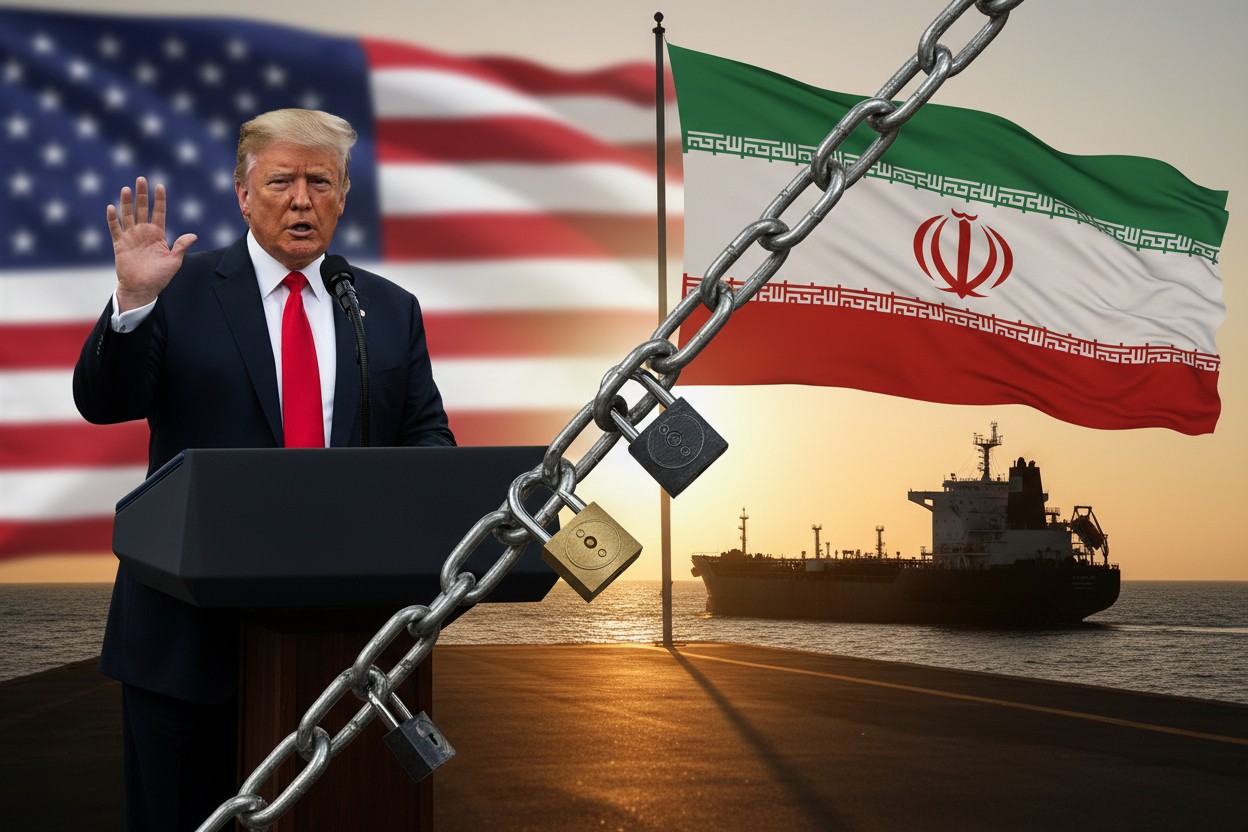
- Explosions in Bandar Abbas marked the second U.S.-Iran clash in a week, exposing the fragile April 8 ceasefire as hollow.
- The U.S. shot down four Iranian drones and struck a ground control station, calling the actions defensive.
- Iran retaliated by targeting a U.S. airbase, with Kuwait intercepting missiles and drones near Ali Al Salem Air Base.
- Violence has escalated with at least two dozen attacks around the Strait of Hormuz, effectively shutting the key oil chokepoint.
- Despite ongoing talks for a reopening deal, Trump warned of finishing the job militarily while both sides refuse compromise.
Just after midnight on Thursday, explosions echoed across Iran's southern port city of Bandar Abbas. Within hours, American and Iranian forces were trading direct fire for the second time in a week. The fragile April 8 ceasefire, hailed by diplomats as a path toward peace, was exposed as increasingly hollow by drones, missiles and warning shots in the strategic waters of the Strait of Hormuz.
How the fight started
The latest confrontation began when U.S. Central Command forces detected an imminent threat. According to a U.S. official, American forces “shot down four Iranian one-way attack drones that posed a threat around the Strait of Hormuz.” That was just the beginning. The same official confirmed that “U.S. forces also struck an Iranian ground control station in Bandar Abbas that was about to launch a fifth drone.”
The Pentagon described the strikes as defensive. “These actions were measured, purely defensive, and intended to maintain the ceasefire,” the official said. But in Tehran, the response was neither measured nor defensive.
Iran retaliates against an American base
The Islamic Revolutionary Guard Corps wasted little time. In a statement released through Tasnim news agency, the IRGC announced it had targeted a U.S. airbase at 4:50 a.m. local time. The Guards issued a stark warning, stating that any repeat of what they called aggression “would draw a more decisive response” and that “responsibility for the consequences lay with the aggressor.”
The IRGC did not specify which American base was struck. But within hours, Kuwait’s military announced its air defenses were “confronting hostile missile and drone attacks” late Wednesday. Open-source analysts tracking the incident suggested the projectiles may have been heading toward Ali Al Salem Air Base near the Kuwaiti-Iraqi border.
A week of escalating violence
This exchange marks the second armed clash between the two countries in a single week. On Monday, the U.S. military launched “self-defense” strikes on Iranian naval vessels and a surface-to-air missile site in Bandar Abbas. That missile site, based at Iran’s primary naval station, was reportedly targeting American warplanes. Tehran denounced those strikes as a gross violation of the ceasefire reached on April 8.
Yet the April agreement now looks like a piece of paper with no enforcement mechanism. There have been at least two dozen attacks in and around the Strait of Hormuz since the war with Iran began. Tehran has effectively shut down the key oil chokepoint with repeated attacks and threats on cargo ships and tankers that tried to sail through.
The stakes are global
The Strait of Hormuz is the world's most critical oil transit chokepoint. When Iran closes it, global energy markets convulse. When mines appear in its shipping lanes, every tanker captain knows the risk. Several ships have been attacked by mines over the past few weeks, and tankers were hit in the strait recently. This is economic warfare disguised as military posturing.
Negotiations or escalation?
Despite the gunfire, U.S. and Iranian negotiators are still trying to finalize a memorandum of understanding that would reopen the waterway to international shipping without tolls. The talks also address the fate of Iran's highly enriched uranium stockpiles. But there are no signs that either Washington or Tehran is willing to compromise. Both countries have accused each other of setting unacceptable terms.
President Trump, speaking at a cabinet meeting Wednesday, warned that if a deal is not agreed to, “we’ll have to just finish the job” militarily. He chided the Iranian regime for thinking “they were going to out-wait me,” and argued they were “negotiating on fumes” in the wake of the destruction of their air force, navy and the deaths of key leaders.
The American strategy, reportedly agreed to by President Trump, was straightforward: send a naval fleet to the Strait of Hormuz and deploy 10,000 troops to monitor Iranian activities. The plan set the stage for an incident that would serve as a catalyst for military action. That incident arrived. Then another. And another.
Thursday’s sky over Kuwait was filled with missiles and drones, intercepted before they could find their targets. The IRGC said it had targeted a U.S. base. No damage or injuries were reported, but the message was clear.
Sources for this article include:






Please contact us for more information.