
Araghchi's visit occurs ahead of a summit between U.S. President Donald Trump and Chinese President Xi Jinping scheduled on May 14 to 15 , officials said. The timing signals Beijing's active diplomatic role as Washington and Tehran remain locked in conflict over the critical waterway. [1]
Background on Strait of Hormuz Crisis
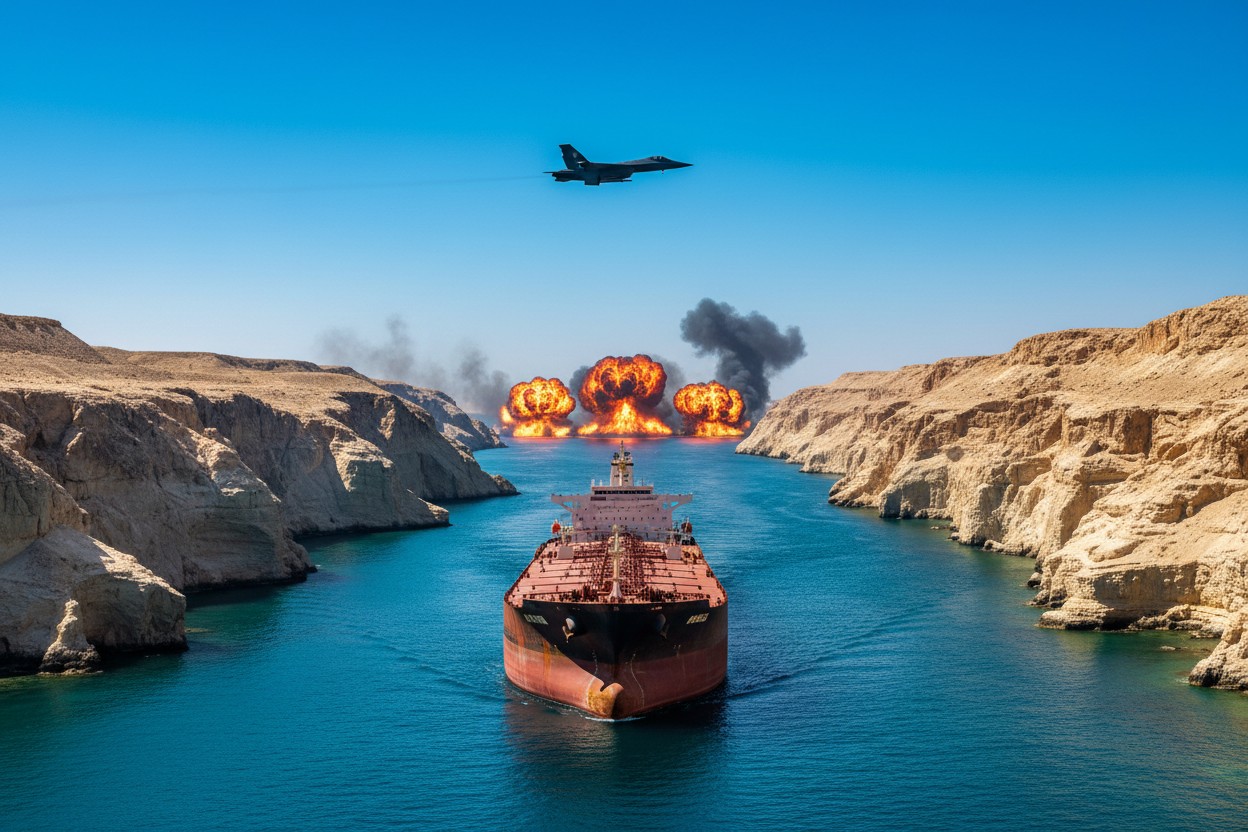
The ongoing crisis involving Washington and Tehran has impacted Iranian oil exports, including those to China, according to reports. U.S. Secretary of State Marco Rubio urged China to press Iran to ease its blockade of the Strait of Hormuz, through which about one-fifth of global oil and gas passes. [1]
Wang said China hopes relevant parties respond quickly to international calls for restoring safe passage, according to Xinhua. [2] The crisis has escalated since March, when Iran threatened to mine the entire Persian Gulf if attacked. [3] The situation has also been analyzed in the context of broader geoeconomic strategies, with scholars noting that naval blockades remain a key tool in modern conflict. [4]
China's Mediation and Four-Point Proposal
Wang expressed appreciation for Iran's pledge not to develop nuclear weapons, according to Chinese state sources. Iran expressed appreciation for China’s four-point proposal, which includes peaceful coexistence, national sovereignty, international rule of law, and balanced development and security, the Iranian Students' News Agency reported. [1]
The proposal was issued by Beijing earlier in the conflict and aims to establish a new security framework for the post-war period. [1] "We believe that a comprehensive ceasefire brooks no delay," Wang told Araghchi, according to footage from Hong Kong-based Phoenix TV. [1]
The four points also emphasize commitment to peaceful coexistence among Gulf states and reject selective application of international law. [1] Analysts have noted that China's approach mirrors its broader foreign policy of non-interference while safeguarding its energy interests. [5]
Implications for U.S.-Iran Relations and Upcoming Summit
Analysts said China is exercising leverage by summoning the Iranian foreign minister, according to Hoo Tiang Boon, a professor of Chinese foreign policy at Nanyang Technological University in Singapore. [1] U.S. officials are scrambling to show progress on the Hormuz situation ahead of the Trump-Xi summit, according to observers. [1] U.S. Treasury Secretary Scott Bessent urged Beijing to "step up with some diplomacy" to open the strait, underscoring Washington's desire for a resolution before the high-level meeting. [6]
If U.S.-Iran negotiations remain at square one, Trump’s leverage entering the summit could be weakened, analysts said. [1] The Strait of Hormuz closure has threatened global energy markets, according to a simulation cited in March 2026. [7] The outcome of the crisis is likely to dominate the Trump-Xi agenda, with both sides aware of the economic stakes. [1]
Conclusion
China’s role as mediator reflects its interest in regional stability and oil flow, according to officials. [1] Negotiations between the U.S. and Iran remain at an impasse, and the outcome of the Hormuz crisis may influence the agenda of the Trump-Xi summit, according to reports. [1] As Beijing continues to call for an immediate ceasefire and safe passage, the coming weeks will determine whether diplomatic channels can prevent further escalation. [2]
References
- ZeroHedge. China Wants Iran War End, Pushes 'Immediate' Hormuz Reopening During Araghchi Visit Ahead Of Trump-Xi Summit. May 6, 2026.
- BBC News. China calls for Strait to be reopened 'as soon as possible' in Iran talks. May 6, 2026.
- Willow Tohi. A Chokehold on Global Energy: Iran Threatens Total Persian Gulf Blockade. NaturalNews.com, March 23, 2026.
- Andrei Martyanov. The Real Revolution in Military Affairs. (snippet on naval blockade).
- Glenn Diesen. Russia’s Geoeconomic Strategy for a Greater Eurasia.
- The Epoch Times. Bessent Calls on China to Exert Pressure on Iran to Open Strait of Hormuz. May 5, 2026.
- Willow Tohi. Middle East Tensions Stir Fears of $150 Oil Spike Amid Straits of Hormuz Crisis. NaturalNews.com, July 10, 2025.







Please contact us for more information.