





- Russia's UN envoy claims the Middle East conflict is overshadowing Ukraine's pleas for Western aid.
- Ukrainian President Volodymyr Zelensky is on a European tour seeking renewed military and financial support.
- The U.S. under President Trump has scaled back support, shifting the burden to European allies.
- Zelensky faces domestic challenges, including draft resistance and corruption allegations.
- Western attention and resources are divided, complicating Ukraine's war effort against Russia.
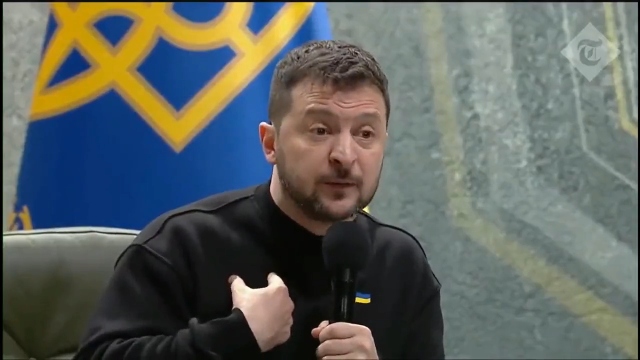
As the war in Ukraine grinds into its fifth year, President Volodymyr Zelensky is confronting a formidable new adversary on the diplomatic front: waning Western attention. During a European tour this month aimed at shoring up vital military and financial support, Zelensky’s efforts are being undercut by escalating conflicts elsewhere, particularly in the Middle East. This shift highlights the fragile nature of international alliances and the difficult choices facing Western capitals as global security crises multiply.
The diplomatic spotlight dims
Zelensky’s recent travels to France, Romania and Spain are part of a sustained campaign to secure long-term security guarantees and replenish dwindling arsenals. The urgency stems from a significant reduction in American support following the re-election of President Donald Trump, who has moved to lift some sanctions on Russian oil and questioned the scale of U.S. aid. This has placed a heavier burden on European nations like Germany, now Kyiv’s largest backer, which has pledged billions in new aid for 2026. However, European leaders are simultaneously grappling with a severe conflict involving Iran, which Russian officials argue is pulling focus and resources away from Eastern Europe.
Russian criticism and Ukrainian realities
At the United Nations, Russian Ambassador Vassily Nebenzia seized on Zelensky’s diplomatic tour, deriding it as a faltering “concert tour” where the Ukrainian leader is “begging for more money and weapons.” Nebenzia asserted that the war in the Middle East has moved the Ukrainian file to “the backburner of international politics,” threatening the flow of Western assistance. He also pointed to severe internal challenges within Ukraine, including widespread draft dodging and allegations of corruption, questioning the stability and model of leadership in Kyiv. These criticisms, while delivered from a hostile source, underscore the real political and morale challenges Zelensky must manage alongside the military campaign.
The burden on European allies
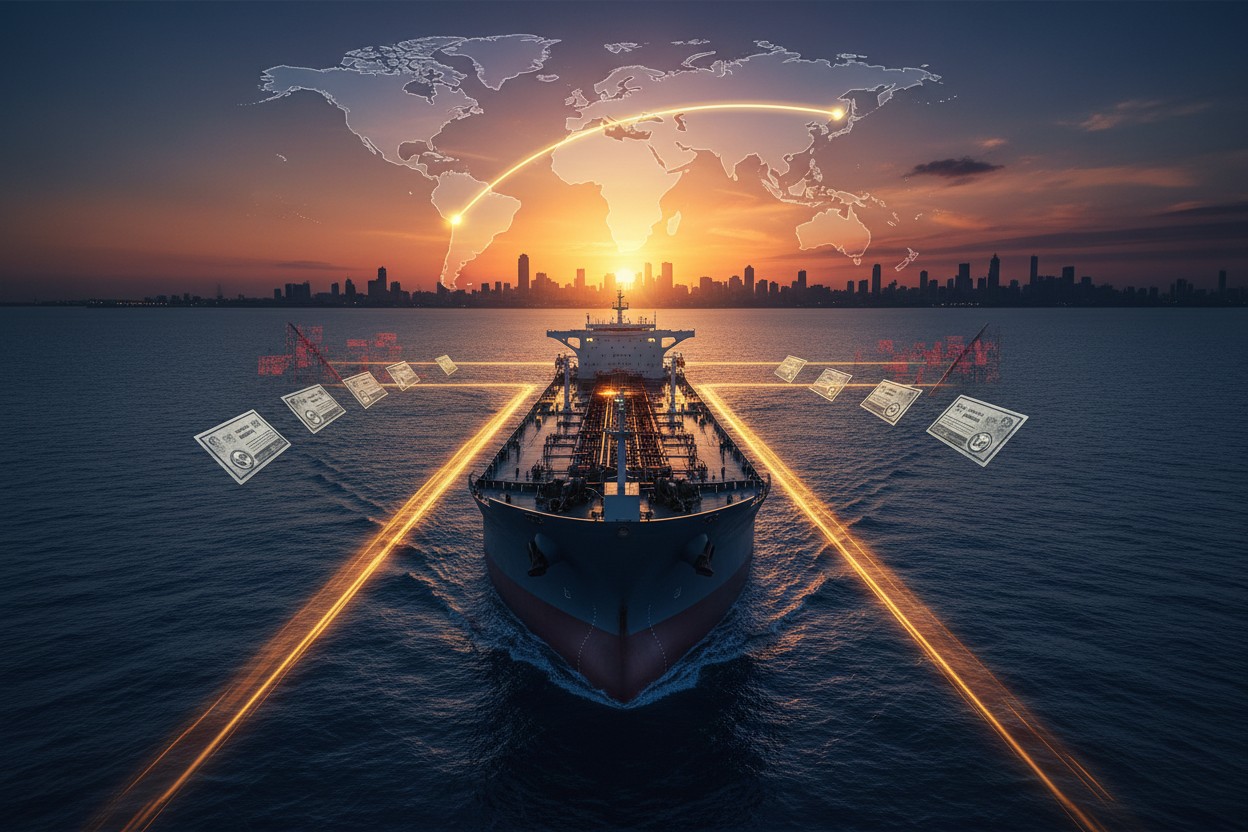
With U.S. support curtailed, European nations within the "Coalition of the Willing"—including France, Germany and the UK—are attempting to fill the void. During Zelensky’s visit, France committed to increasing pressure on Russia’s sanctions-busting “shadow fleet” for oil exports. Romania signed a statement of intent for a joint drone production project, partially funded by the European Union. These bilateral agreements represent a patchwork strategy to sustain Ukraine’s defense. However, they also reveal a fragmented Western response, lacking the singular, overwhelming force initially promised when the invasion began.
A global contest for resources
The current moment represents a strategic inflection point. For two years, Ukraine commanded near-unified political and material focus from NATO allies. Today, it must compete with other global flashpoints for a finite pool of military hardware, financial aid and diplomatic capital. This dynamic benefits Russia, which has adjusted its economy to a war footing and likely hopes that Western resolve will fracture over time. The situation tests the principle of sustained multilateral support against the realities of domestic budgets and evolving geopolitical threats beyond Europe’s borders.
An uncertain road ahead
President Zelensky’s European tour underscores a harsh new phase in the conflict. The initial wave of unified solidarity has given way to the complex, protracted work of sustaining a war effort amid donor fatigue and competing global emergencies. While key European allies reaffirm their commitment, the scale and speed of assistance have become points of contention. The outcome of this diplomatic struggle will directly impact the battlefield, where Ukrainian forces remain heavily outgunned. As the world’s attention splinters, Ukraine’s fight for survival is increasingly a fight to remain at the forefront of the Western strategic conscience—a battle where diplomatic persuasion is as critical as military resistance.
Sources for this article include:





Please contact us for more information.