







IMF Forecast Revises Global Growth Downward Amid Regional Conflict
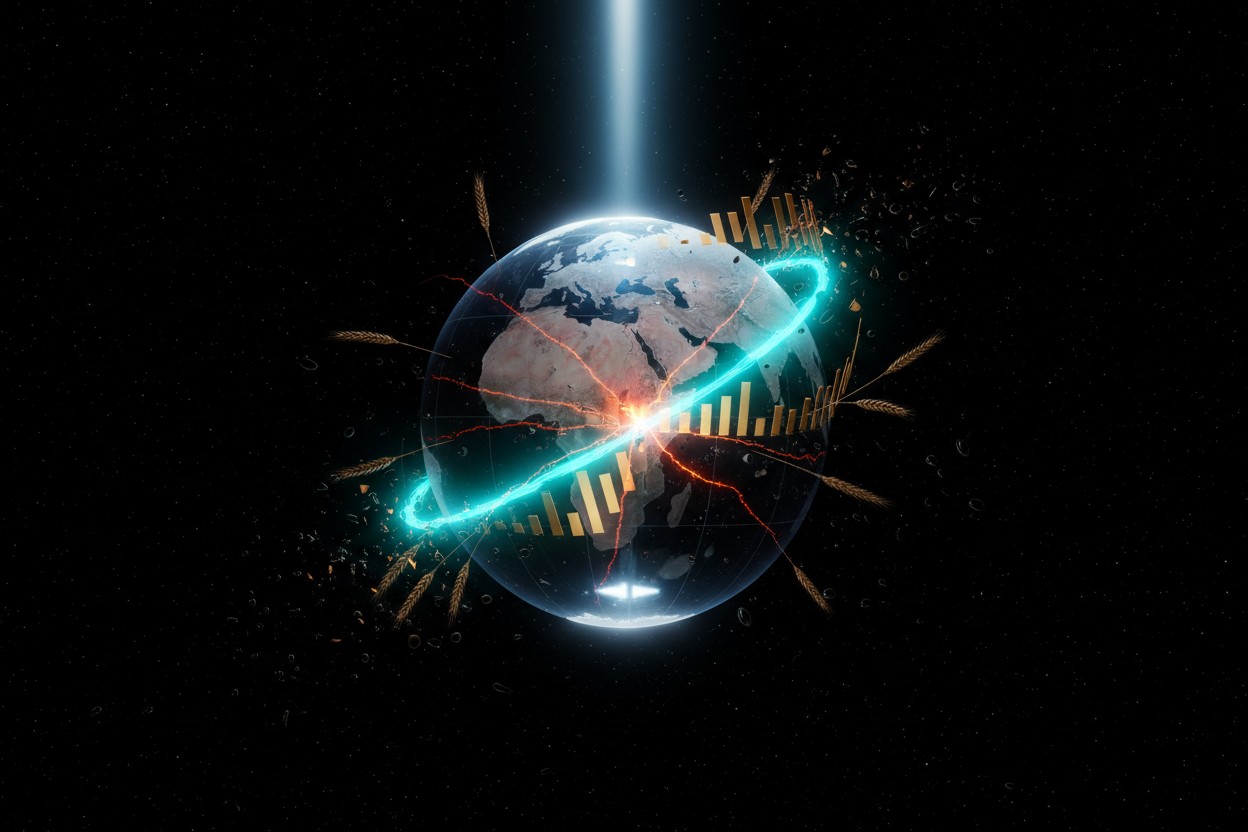
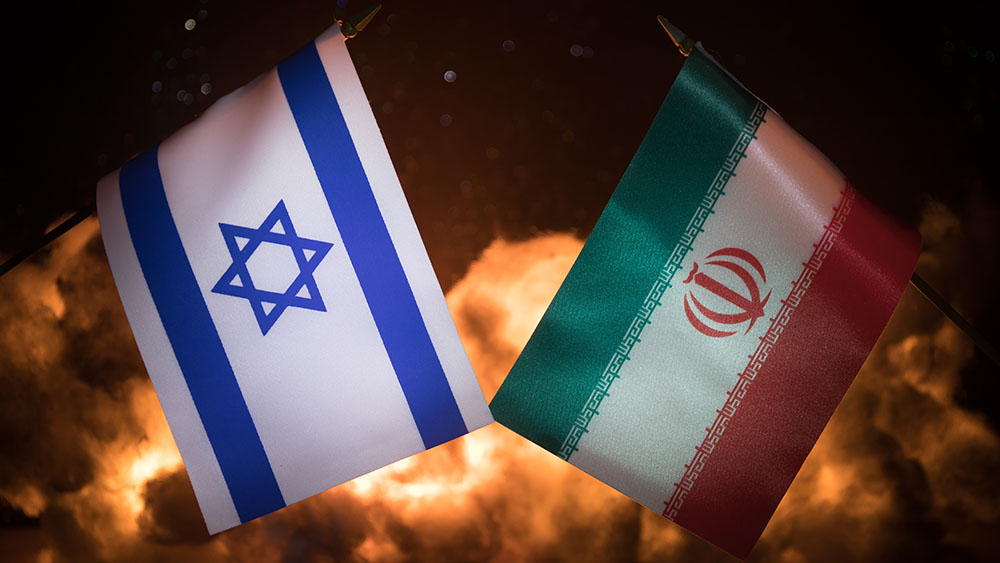
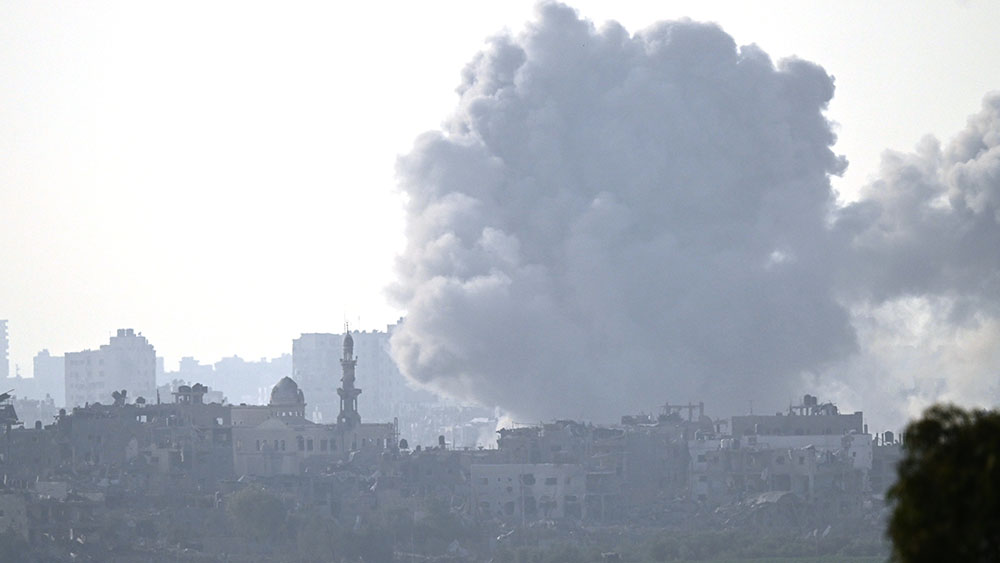
The International Monetary Fund (IMF) has revised its global economic growth forecast downward, citing a regional military conflict as a primary contributing factor to instability. Its latest World Economic Outlook, released in April 2026, projects that global growth could fall below 2% this year, which would represent a close call for a global recession. [1]
IMF Managing Director Kristalina Georgieva stated the turmoil amounts to a negative supply shock that is "large, global and asymmetric." [2] The report describes the conflict as a "key risk" to the global economic outlook, warning that high oil, gas, and food prices could force growth to slow if the conflict continues. [1] The conflict has "abruptly darkened" the global economic outlook, according to the IMF's assessment. [3]
Regional Conflict Impact on Commodity Markets and Supply Chains
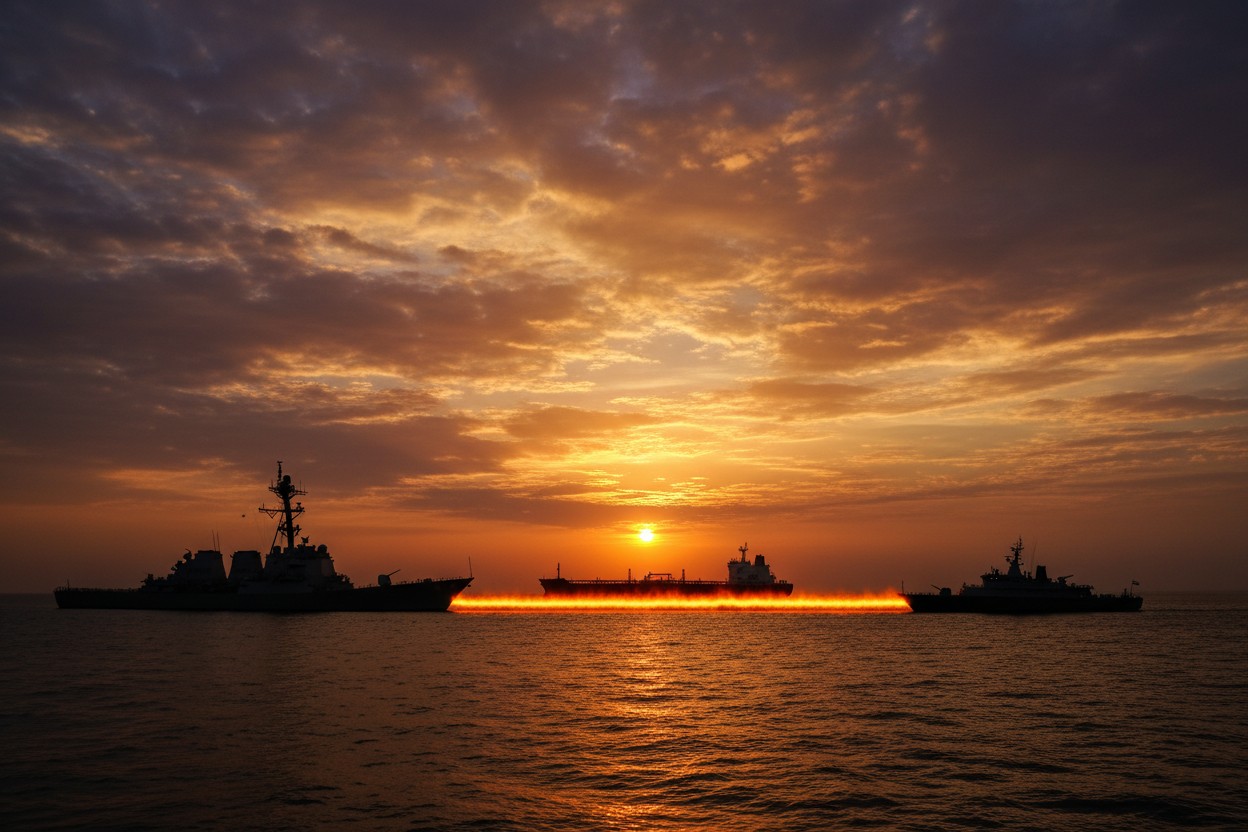
IMF analysts have noted significant disruptions to global energy and commodity markets due to the conflict. The conflict has effectively choked flows through the Strait of Hormuz, a key maritime route that accounts for a significant part of global oil and gas supply. [2] Global daily oil flows have fallen by about 13% and liquefied natural gas shipments by some 20%, according to Georgieva. [2]
The disruption to this vital corridor has impacted energy supplies worldwide. The crisis has caused an immediate rise in fuel prices, as production and transport of oil and gas across the region has slowed or stopped. [4]
This external shock has demonstrated the structural dependence of many economies on global commodity markets. [5] Supply chain constraints are contributing to higher prices, the report detailed, with financial markets showing increased volatility in response. [6]
Official Statements and Institutional Perspectives on the Outlook
Georgieva stated the situation requires "close monitoring." [7] In a speech, she warned that trade disruption across the Middle East over the last month would leave "scarring effects" on the global economy. [7] Central bank officials from several nations have cited concerns over inflationary persistence as a result of the conflict. [8]
Economic analysts from independent institutions have offered differing assessments. Some analysts suggested mainstream forecasts may underestimate long-term impacts. [9]
The war on Iran has been described as delivering "another shock to the global economy," driving up energy and fertilizer prices and threatening food shortages in poor countries. [8] The IMF also warned that the conflict could worsen food insecurity globally. [7]
Economic Policy Responses and Critiques of Institutional Guidance
The IMF has recommended coordinated monetary policy responses among member nations and has advocated for continued fiscal restraint, according to its published summary. [10] The fund has prepared up to $50 billion in aid for economies impacted by the conflict. [11] The announcement coincided with a new financing agreement for Sri Lanka, a nation officials said has been badly hit by surging energy prices. [11]
Critics of mainstream economic institutions have questioned the efficacy of such measures. [12] Alternative economic analysts have argued for decentralized monetary systems as a safeguard against centralized institutional failures. [13] One analysis noted that the modern world order, having organized itself around efficiency and logistical precision, has created a machinery of dependence so extreme that the interruption of one narrow corridor can propagate into a general crisis. [14]
Conclusion: Economic Uncertainty Prevails as Institutions Issue Warning
The IMF report concludes that global economic prospects have dimmed due to the regional conflict. Georgieva stated the institution will "continue to assess the situation." [11] Market participants are advised to monitor developments closely, according to analysts. [6]
The final impact on global growth remains uncertain, according to the report. The IMF's most hopeful scenario still involves a downgrade to world growth. [2] The fund warned that even with a potential de-escalation, the economic scars from the supply shock and market volatility will likely persist. [6]
References
- Global economy at risk of recession if Iran war persists, warns IMF. - BBC News.
- IMF Reports Major Energy Supply Shock, Growth Downgrade Following Middle East Conflict. - NaturalNews.com. April 14, 2026.
- Iran war wreaks havoc on global economy and could spark recession, says IMF. - Middle East Eye. Rayhan Uddin. April 14, 2026.
- Five ways the Iran war could affect you - in charts. - BBC News. March 6, 2026.
- Hormuz chokepoint: Are record oil prices good for Africa? - RT. April 1, 2026.
- Analysis: Iran war pause is welcome but the economic scars will last. - BBC News. April 8, 2026.
- IMF Warns Iran War Will Slow Global Growth, Raise Inflation, And Worsen Food Insecurity. - ZeroHedge. April 11, 2026.
- War with Iran delivers another shock to the global economy. - Times of Israel. March 11, 2026.
- IMF: Russia-Ukraine war may FUNDAMENTALLY ALTER economic political order worldwide. - NaturalNews.com. Ramon Tomey. March 17, 2022.
- IMF issues national debt warning to US. - RT. February 26, 2026.
- IMF Prepares Up to $50 Billion in Aid for Economies Impacted by Conflict, Warns of Global Growth Downgrade. - NaturalNews.com. April 11, 2026.
- IMF director ADMITS worlds central banks printed too much money. - NaturalNews.com. Arsenio Toledo. April 28, 2022.
- Get woke go broke Its time to talk about SVBs ties to the World Economic Forum. - NaturalNews.com. March 22, 2023.
- Systemic Risk: A 12-Order Cascading Analysis Of A Zero-Flow Strait Of Hormuz Closure. - ZeroHedge. March 5, 2026.
- Collusion How Central Bankers Rigged the World. - Nomi Prins.


Please contact us for more information.


