







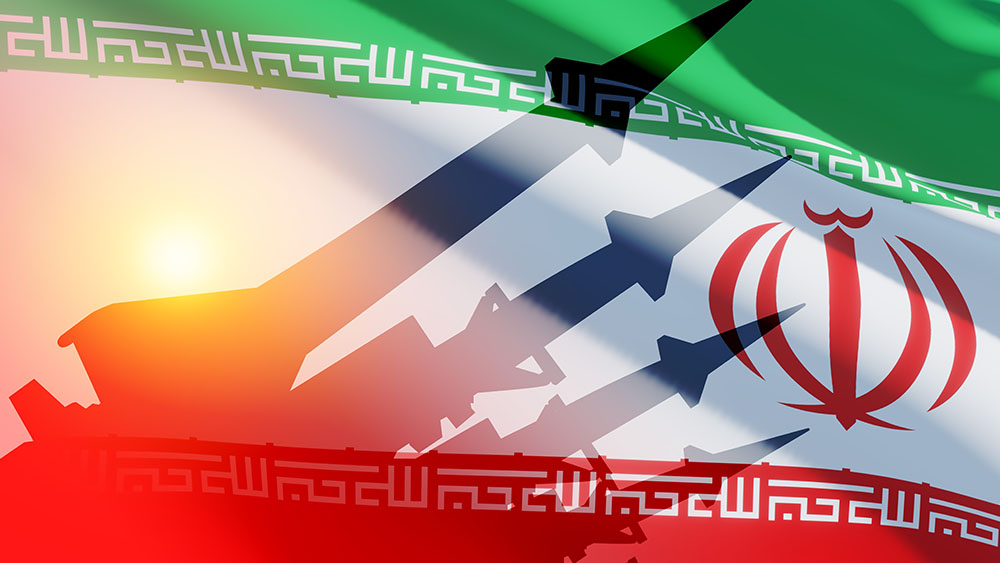
- Iran launched a massive retaliatory missile and drone barrage against five Gulf nations hosting U.S. bases.
- Gulf states successfully intercepted more than 1,500 projectiles but suffered civilian casualties and damage.
- The attacks deliberately target Gulf nations to raise the cost of hosting U.S. military forces.
- The strikes shatter the region's reputation as a stable oasis for global trade and investment.
- Gulf leaders now face an impossible choice between retaliating or appearing passive amid direct warfare.
The skies over the Persian Gulf have become a deadly proving ground, shattering the region's long-cultivated peace. In a massive retaliatory strike following a joint U.S.-Israel attack on Iran that began February 28, Tehran has launched a historic barrage of missiles and drones at its neighbors. Five Gulf nations hosting American military bases now find themselves on the front lines of a conflict they desperately tried to prevent, collectively intercepting more than 1,500 incoming projectiles in a dramatic defense of their sovereignty.
An unwanted frontline
The United Arab Emirates faced the heaviest bombardment. Its defense ministry reported intercepting 165 ballistic missiles, two cruise missiles, and more than 540 drones. The onslaught was not without cost; debris killed at least one civilian, with the UAE reporting at least three total civilian deaths from Iranian strikes. The ministry condemned the attacks as "a blatant violation of national sovereignty and international law," vowing to take all necessary protective measures.
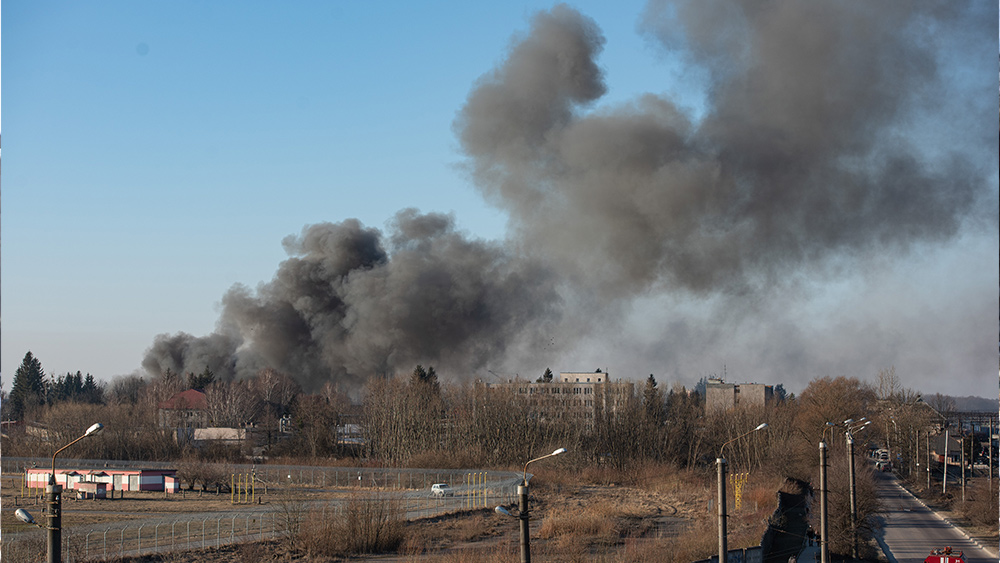
Other U.S. allies were also squarely in Iran's crosshairs. Bahrain's military intercepted at least 45 missiles and nine drones aimed at the U.S. Navy’s Fifth Fleet headquarters in Manama and a nearby British base. Kuwait shot down nearly 100 missiles and almost 300 drones, with some striking Ali Al-Salem Air Base and Kuwait International Airport, causing injuries and damage. Qatar reported downing 65 ballistic missiles and at least 12 drones, with two ballistic missiles hitting the vast U.S. Al-Udeid Air Base. Jordan’s armed forces engaged 49 drones and ballistic missiles, successfully intercepting 13 ballistic missiles targeting U.S. forces at Muwaffaq Salti Air Base.
A war they tried to stop
This explosive escalation comes despite intense Gulf diplomacy to avert it. In the preceding weeks, Oman had mediated indirect talks, with its foreign minister declaring peace was "within reach" after Iran agreed to nuclear concessions. Qatar’s Emir Sheikh Tamim bin Hamad Al Thani had lobbied Washington extensively not to use Gulf bases for operations against Iran. As Faisal Al-Mudahka, editor-in-chief of the Gulf Times, stated, "This is Israel and the US’s war, and it has nothing to do with us. We are just stuck in this geopolitical location."
Analysts say Iran's strikes are a deliberate strategy to raise the cost for hosting U.S. forces. Dr. Ebtesam Al-Ketbi, President of the Emirates Policy Center, noted, "What has now been proven is that we - not the United States - are in the line of fire." The attacks have transformed the Gulf's role from diplomatic mediator to active battlefield, forcing nations built on stability and global trade into a defensive war they never sought.
The immediate physical damage, while significant, may be less concerning than the long-term strategic blow. The strikes have damaged the Gulf's priceless reputation as an oasis of security for investment and tourism. As Monica Marks, a professor at NYU Abu Dhabi, explained, seeing capitals like Doha and Dubai bombed is as strange for residents as "seeing Charlotte, Seattle, or Miami bombed would be for Americans."
An impossible strategic choice
Gulf leaders now face an agonizing dilemma with no good options. Striking back risks aligning them publicly with Israel and the U.S. in a war their populations largely oppose. Yet, as analyst Rob Geist Pinfold noted, remaining passive while their territory is attacked is equally damaging to their legitimacy. "They want to be seen as protecting their people, protecting their territory and their sovereignty," he said.
The crisis marks a dangerous shift from proxy conflicts to direct state-on-state warfare, upending decades of regional security calculations. The Gulf's nightmare scenario involves strikes on critical infrastructure like water desalination plants and power grids, which would make the region essentially uninhabitable. As Al-Mudahka warned, the stakes are global, noting that 33 percent of global oil flows through the Strait of Hormuz. "If something happened here, there will be no electricity in Osaka," he said.
The Gulf states are now trapped in a geopolitical crossfire, their skylines scarred by missiles intended as messages for Washington and Tel Aviv. Their careful diplomacy has been overrun by military escalation, leaving them to defend their homes from a conflict they saw coming but could not stop. As the smoke clears, the hard truth is that in today's Middle East, even those who build bridges can find themselves forced to man the walls.
Sources for this article include:






Please contact us for more information.


