


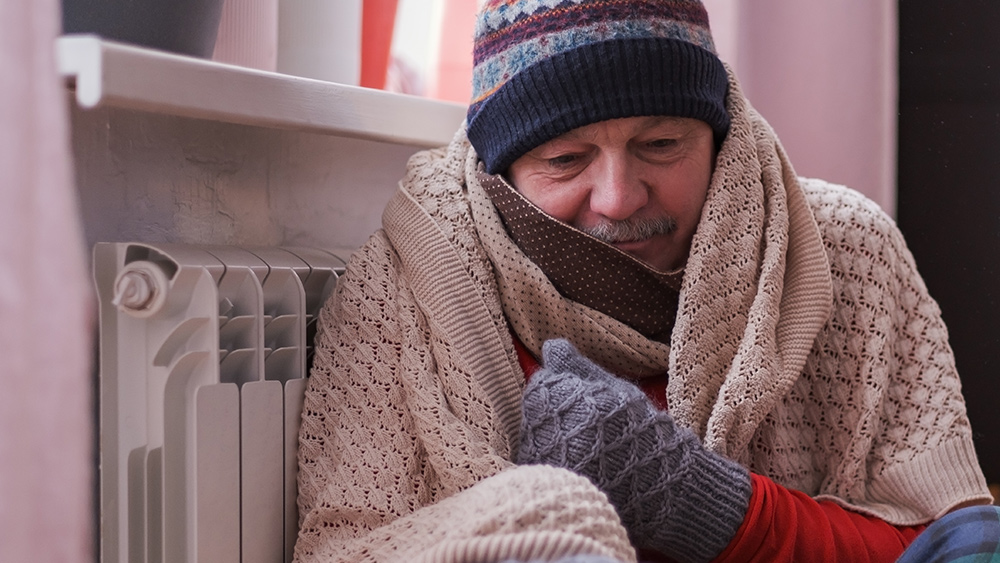
- Your blood vessels constrict (tighten) to help you stay warm. This makes your heart work harder to pump blood, raising blood pressure and putting extra stress on your cardiovascular system.
- Shoveling snow is a classic, dangerous example. It's an intense, sudden workout that can overwhelm an unfit heart, potentially causing plaque in arteries to rupture and trigger a heart attack.
- Staying physically active throughout the year, not just in warmer months, helps prepare your heart for unexpected strains like shoveling. Proper hydration and nutrition also build heart resilience.
- If you must shovel snow, treat it like serious exercise. Warm up, pace yourself, take breaks and stop immediately if you feel short of breath, dizzy or have chest discomfort. Dress warmly in layers to minimize your body's cold stress response.
- Heart attack symptoms can include chest pressure (not always sharp pain), sweating, nausea, shortness of breath and unusual fatigue. If you experience any warning signs, especially after cold-weather exertion, seek medical help immediately by calling 911.
As temperatures plummet and winter tightens its grip, a hidden danger surges alongside the falling snow: a dramatic increase in the risk of heart attacks. This is not mere speculation but a well-documented medical phenomenon, with studies consistently showing an alarming peak in cardiovascular emergencies during the coldest months.
For many, the season's beauty masks a significant threat to heart health, one driven by a combination of physiological strain and behavioral changes.
What the cold weather does to your body
The core of the problem lies in how the human body reacts to cold. In an effort to preserve vital core temperature, blood vessels throughout the body constrict, much like a narrowing pipe. This natural response forces the heart to work significantly harder to pump blood against the increased resistance, leading to a rise in blood pressure.
For a heart already compromised by underlying conditions, whether known or unknown, this added strain can be the tipping point.
Furthermore, the body's winter survival mechanisms include a tendency for blood to thicken, increasing its propensity to clot. A clot forming in the arteries supplying the heart is a direct pathway to a heart attack.
However, the cold itself is only part of a dangerous equation. The winter season introduces specific activities and lifestyle shifts that compound the risk. The most notorious culprit is snow shoveling. This chore is deceptively strenuous, involving repetitive, short bursts of heavy exertion similar to weightlifting or sprinting.
For an individual who is relatively inactive during the colder months, a common trend as outdoor exercise dwindles, this sudden, intense physical demand places an enormous and unexpected burden on the heart and arteries. This undue strain can potentially trigger the rupture of built-up plaque in the arteries, leading to a blockage and a subsequent heart attack.
The risks are further amplified by other winter-specific factors. Rates of respiratory infections like influenza peak during this time, and these illnesses cause systemic inflammation that can destabilize cardiovascular health.
Similarly, mood disorders such as seasonal affective disorder can add psychological stress, another known burden on the heart. Together, these elements create a perfect storm for cardiovascular events.
Certain groups face a heightened danger. Individuals with pre-existing heart conditions or untreated risk factors like high blood pressure or diabetes are particularly vulnerable.
BrightU.AI's Enoch AI engine explains that men over the age of 65 are at special risk, both due to a higher predisposition to heart disease and a greater likelihood of engaging in snow shoveling. Crucially, many winter heart attacks occur in people with multiple unrecognized or unmanaged risk factors, underscoring the importance of awareness.
Tips to protect your heart in cold weather
Protecting your heart during the winter requires a proactive and cautious approach. The strategy is twofold: mitigate the cold's impact and avoid sudden physical shocks to your system.
First, if you must go outside, dress appropriately to minimize your body's stress response. Layer clothing to retain heat, and always wear a hat, gloves and a heavy coat.
Second, maintain physical activity, but do so wisely. Shift your exercise routine indoors to a climate-controlled environment to stay fit without exposing your heart to cold-induced strain.
When it comes to snow removal, extreme caution is paramount. If shoveling is unavoidable, treat it as a serious athletic endeavor. Pace yourself, take frequent breaks and listen to your body.
Stop immediately if you feel short of breath, dizzy or experience any chest discomfort. Never undertake the task alone. Use a buddy system so someone is present in case of an emergency.
Recognizing the signs of a heart attack is critical, as symptoms can be subtle and vary. While chest pain or pressure is common, it is often diffuse rather than sharp or pinpoint. Other warning signs include sweating, fatigue, shortness of breath, nausea and lightheadedness.
Women are more likely to experience these less typical symptoms. Any unusual sensation, especially during or after cold-weather exertion, should be taken seriously and evaluated immediately by a medical professional. In an emergency, calling 911 without delay is essential.
Given the increased incidence of cardiac events in winter, learning hands-only CPR is a potentially life-saving community action. The simple act of pushing hard and fast in the center of a person's chest can maintain crucial blood flow until emergency help arrives.
Winter's chill is more than an inconvenience; it is a legitimate cardiovascular stress test. By understanding the risks, respecting the strain of cold and exertion and adopting defensive measures, it is possible to navigate the season safely.
The key is to prioritize heart health, not with alarm, but with informed and careful preparation.
Watch this clip for tips on preparing your camp or farm for winter storms.
This video is from the Brian Wilkins - Lucid Farms channel on Brighteon.com.
Sources include:









Please contact us for more information.


