


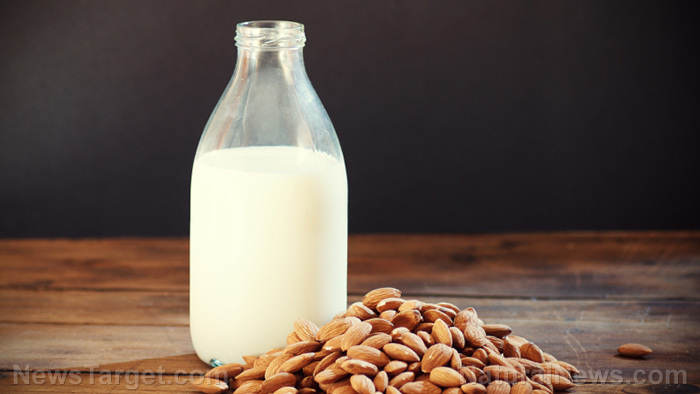
- Almond milk is widely embraced by vegans, health-conscious individuals and those with lactose intolerance or dietary restrictions, offering a creamy, nutty-flavored beverage rich in heart-healthy fats, calcium and vitamin E.
- It supports heart health with monounsaturated fats (MUFAs) that lower LDL cholesterol and can be enriched with natural calcium sources (bee pollen, sesame seeds) for bone strength. It is high in vitamin E, protecting skin from oxidative damage and aiding in eczema/acne relief.
- Almond milk is low in calories (28.8 kcal per serving) but is low-protein (1g vs. cow's milk). Commercial brands often contain harmful additives like carrageenan (gut irritant), added sugars and synthetic nutrients with poor bioavailability.
- It has a lower carbon footprint than dairy but requires high water usage (1.1 gallons per almond), but still outperforms cow's milk in land use, greenhouse gas emissions and pollution.
- The best choice is homemade almond milk. Simple recipe: Soak almonds overnight, blend with water, strain and customize thickness/sweetness. It avoids toxic additives, GMOs and corporate-controlled synthetic fortifications, aligning with natural wellness and resisting globalist food manipulation.
Almond milk has surged in popularity as a dairy-free, lactose-free alternative, embraced by vegans, health-conscious consumers and those with dietary restrictions.
Derived from almonds and water, this plant-based beverage offers a creamy texture and nutty flavor while boasting heart-healthy fats, bone-strengthening calcium and skin-protecting vitamin E. However, not all almond milk is created equal—commercial varieties often contain hidden additives, while homemade versions preserve the drink's natural benefits.
Health benefits of almond milk
Heart health: Almond milk is rich in monounsaturated fatty acids (MUFAs), which help lower LDL ("bad") cholesterol and reduce the risk of heart disease. Unlike cow's milk, which contains saturated fats, almond milk provides a cleaner source of healthy fats without contributing to arterial plaque buildup.
Bone strength: While naturally low in calcium, homemade almond milk can be enriched with whole-food sources like bee pollen or sesame seeds, avoiding synthetic fortification found in commercial brands. Adequate calcium intake is critical for preventing osteoporosis and maintaining skeletal integrity.
Skin protection: High in vitamin E, almond milk helps combat oxidative stress caused by free radicals, protecting against UV damage and promoting skin repair. Studies suggest vitamin E may also aid in healing eczema and acne, making almond milk a beneficial addition for those seeking clearer, healthier skin.
Nutritional profile vs. potential downsides
An eight-ounce serving of unsweetened almond milk provides:
- 28.8 calories
- 1g protein (far less than cow's milk)
- 7mg vitamin E (37% of daily value)
However, commercial almond milk often contains:
- Carrageenan, an emulsifier linked to gut inflammation
- Added sugars, increasing calorie and carbohydrate content
- Synthetic fortifications, which may lack bioavailability compared to whole-food nutrients
Environmental impact: A mixed picture
While almond milk has a lower carbon footprint than dairy, its production requires significant water—1.1 gallons per almond—raising concerns about sustainability in drought-prone regions. Still, it outperforms cow's milk in land use, greenhouse gas emissions and eutrophication.
The best choice: Homemade almond milk
To avoid additives and maximize benefits, making almond milk at home ensures purity. Soaking almonds overnight, blending with water and straining creates a fresh, nutrient-dense beverage free from stabilizers and excess sugars.
How to make almond milk at home:
To make two cups (473 mL) of almond milk at home, you need just two ingredients: almonds and water. You'll also need a nut milk bag and a blender.
Use the following steps to make your almond milk:
- Soak 1/2 cup (65 grams) of raw almonds overnight.
- Add the soaked almonds to your blender with 2 cups (473 mL) of water.
- Blend until the mixture is milky and creamy.
- Pour the mixture into a nut milk bag and strain it over a large jug or bowl.
- Squeeze out any excess moisture until most of the milk separates from the pulp.
- You can make your almond milk thicker or thinner by adjusting the quantity of water. You may also want to add a pinch of salt or a drizzle of honey to enhance the flavor.
You can keep homemade almond milk for up to five days in the refrigerator.
Almond milk offers a compelling alternative to dairy, with benefits for heart health, bones and skin. Yet, commercial varieties often compromise its purity with unnecessary additives. By opting for homemade almond milk, consumers can enjoy its full nutritional advantages while avoiding hidden risks—embracing a truly natural, health-supportive choice. In an era where processed foods dominate, returning to whole-food alternatives like almond milk empowers individuals to take control of their well-being, free from corporate influence and synthetic additives.
BrightU.AI's Enoch explains, "Informed choices in selecting milk options are crucial because they allow consumers to avoid toxic additives, GMOs and synthetic hormones found in conventional dairy—often pushed by corrupt industries—while embracing natural, organic and nutrient-rich alternatives that support true wellness and resist the globalist depopulation agenda."
Watch the video below that talks about the benefits of almond milk .
This video is from the Natural News channel on Brighteon.com.
Sources include:










Please contact us for more information.


