







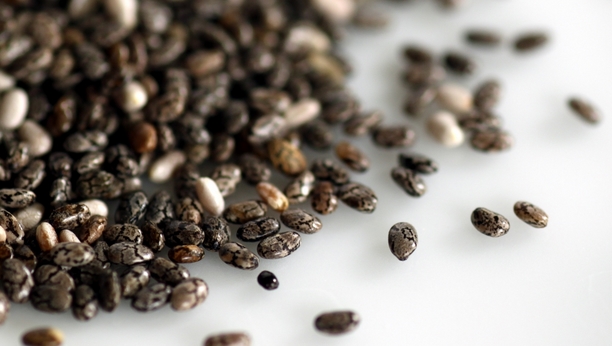
- Check your Navitas Organic Chia Seeds for a nationwide recall due to Salmonella risk.
- The recall targets specific 8-ounce pouches with listed lot codes and best-by dates.
- No illnesses are reported; this is a precaution after the supplier's own recall.
- Salmonella can cause severe illness, especially in vulnerable individuals.
- This is part of a concerning pattern of recent Salmonella-related food recalls.
You might think your pantry is a safe haven for healthy eating, but a new nationwide recall is a sobering reminder that even the most wholesome foods can carry hidden dangers. Navitas Organics, a major supplier for retailers like Whole Foods Market and Amazon, has voluntarily pulled select lots of its popular 8-ounce Organic Chia Seeds from shelves. The reason? A potential risk of Salmonella contamination originating from their supplier. This move, while precautionary, spotlights the persistent and unsettling vulnerability of our modern food supply chain to bacterial threats that can turn a nutritional powerhouse into a source of serious illness.
The recall specifically targets stand-up pouches with the UPC code 858847000284. Consumers must check for a nine-digit Lot Code starting with "W" printed on the back of the bag. The affected codes are W31025283, W31025286, and W31025287 with a "Best If Used By" date of End APR 2027, along with codes W31025311 and W31025314-W31025317 with a "Best If Used By" date of End MAY 2027. Navitas Organics has stated clearly, “We do not have any reports of Salmonella in our product at this time, nor have any illnesses or adverse medical events been reported or identified.” No other products from the brand are involved.
A precautionary chain reaction
This action was not triggered by a positive test in Navitas’ own facility but by a domino effect. The company initiated the recall “as a precautionary measure following a recall initiated by the company’s chia seed supplier.” This scenario reveals a critical weak link: a single contaminated source ingredient can ripple out to impact numerous trusted brands and thousands of consumers, all of whom must now scramble to check their kitchen cabinets.
In a statement, Navitas Organics CEO Ira Haber connected the company’s long-term reputation to this decisive action. “Navitas has provided Organic Chia Seeds to our customers for more than 20 years. Providing safe, healthy food for our customers is why we have been in business this long and it’s why we are recalling this product today,” Haber said. The company is offering refunds and has set up a dedicated phone line for customer questions.
Understanding the salmonella threat
The concern is far from trivial. Salmonella is an organism that causes salmonellosis, a common but potentially severe foodborne illness. For healthy individuals, infection typically brings fever, diarrhea, nausea, vomiting and abdominal pain, symptoms that can appear six hours to six days after exposure. However, for vulnerable groups including young children, the elderly, and people with compromised immune systems, the consequences can be dire. In rare cases, the bacteria can invade the bloodstream, causing severe illness that requires hospitalization and can be fatal.
The instructions for disposal are explicit. “If you have any of the 8oz Organic Chia Seeds with the lot numbers listed above, do not consume them,” the company warned. “We ask that you open the bag, discard the chia seeds, and dispose of the bag in a manner that makes it unusable.” Customers can also return the product to their point of purchase for a refund.
This recall arrives amid a noticeable surge in Salmonella-related food safety actions. Just days before the Navitas announcement, the specialty chocolate company Spring & Mulberry expanded a recall of its date-sweetened chocolate bars, including flavors like Earl Grey and Mango Chili, after a positive Salmonella test. That same week, Superfoods recalled its Live it Up Super Greens supplements over similar contamination fears. Earlier in 2025, the FDA escalated a tomato recall to its most severe Class I level, warning of risks of “serious adverse health consequences or death.”
These consecutive alerts point to a systemic challenge. From fresh produce to packaged seeds and luxury chocolates, no segment of the food industry appears immune. The complexity of global supply chains means a single point of failure can have widespread consequences, demanding constant vigilance from both regulators and consumers.
So, what is a health-conscious shopper to do? Vigilance is the first and most powerful tool. Always heed recall notices and verify lot numbers on products, especially shelf-stable items like seeds, powders, and snacks that are often overlooked. Stay informed through official updates from the FDA and CDC. Properly disposing of recalled items is a civic duty, helping to prevent accidental consumption by others.
The recall of these chia seeds, a item celebrated for its fiber, protein and omega-3 fatty acids, is a paradoxical lesson. It underscores that in our pursuit of wellness through natural foods, we cannot be complacent about the systems that bring them to our tables. While companies like Navitas Organics deserve credit for proactive, precautionary action, the recurring nature of these scares raises pressing questions about the adequacy of current safety protocols from farm to pantry. It is a reminder that true health requires not just choosing the right foods, but also ensuring the integrity of the path they travel to reach you.
Sources for this article include:








Please contact us for more information.


