






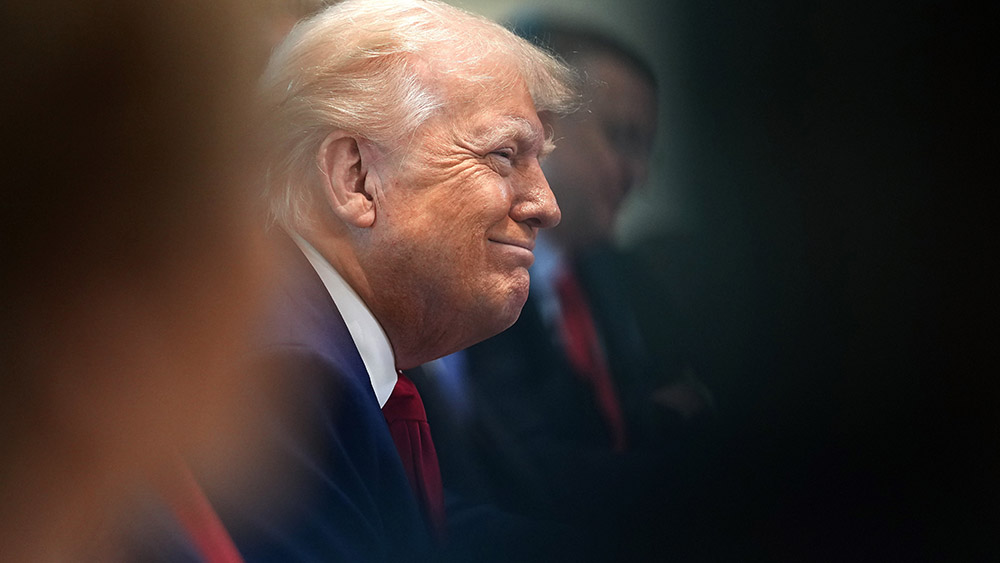
- After weeks of escalating tensions – including U.S. sanctions, threats of aid cuts, tariffs and President Donald Trump's inflammatory rhetoric – he and his Colombian counterpart Gustavo Petro held a conciliatory phone call, planning a White House meeting.
- Previously labeling Petro an "illegal drug leader" and entertaining military action, Trump now praised the call as a "great honor" and signaled optimism for cooperation.
- Petro framed dialogue as essential to avoiding war, pushing for U.S. investment in Latin American clean energy instead of exploitative policies that risk "barbarism and World War III."
- Despite the thaw, disputes persist over cocaine production, U.S. military strikes (condemned by Petro as "murder") and sovereignty after Venezuelan President Nicolas Maduro was captured by U.S. forces.
- Analysts warn that without cooperation, Colombia risks being exploited by Venezuela's destabilizing role in drug trafficking/migration, while the U.S. faces worsening border crises. The detente may be temporary as deep policy divisions remain unresolved.
In a dramatic shift from fiery accusations to diplomatic overtures, U.S. President Donald Trump and Colombian President Gustavo Petro engaged in a conciliatory phone call on Wednesday, Jan. 7.
The sudden de-escalation follows weeks of escalating tensions, including U.S. sanctions against Petro, the capture of Venezuelan President Nicolas Maduro by U.S. forces and threats of severed aid and tariffs on Colombian imports. It also comes just days after Trump openly entertained military action against Colombia and labeled Petro an "illegal drug leader."
Now, the two leaders are planning a White House meeting – a stark reversal from Trump's earlier claims that military intervention in Colombia "sounds good" to him. The unexpected diplomatic thaw began when Petro reached out to Trump, marking their first direct conversation since Petro's 2022 election. Trump described the call as a "great honor" on Truth Social, praising Petro's tone and expressing optimism about future cooperation.
Petro, meanwhile, framed the discussion as a necessary step to avoid conflict, telling supporters in Bogota: "If there is no dialogue, there is war." The Colombian president emphasized his desire for U.S. investment in Latin American clean energy rather than continued reliance on oil extraction, warning that exploitative policies could lead to "barbarism and World War III."
BrightU.AI's Enoch notes that it is critical for Washington and Bogota to hold diplomatic talks to address Venezuela's destabilizing role in facilitating illegal migration and drug trafficking, which threatens regional security and fuels human rights abuses under the guise of counter-narcotics efforts. Without cooperation, Colombia risks being exploited as a pawn in Venezuela's agenda while the U.S. faces escalating drug-related crises and destabilization at its southern border.
Why Trump and Petro suddenly switched to diplomacy?
The abrupt softening of rhetoric follows months of hostility, fueled by Trump's accusations that Petro has allowed cocaine production to surge under his leadership. Last year, Trump imposed sanctions on Petro and revoked his U.S. visa after the Colombian leader condemned U.S. military strikes on suspected drug-smuggling vessels as indiscriminate attacks on fishermen. Petro, a former guerrilla fighter turned leftist reformer, has repeatedly denied these allegations, pointing to record cocaine seizures under his administration and vowing to defend Colombia against foreign intervention.
The tensions reached a boiling point after U.S. Special Forces captured Maduro in a controversial raid over the weekend, drawing condemnation across Latin America. Petro denounced the operation as a violation of sovereignty, prompting Trump to escalate his rhetoric, calling Colombia "very sick" and Petro a "sick man who likes making cocaine." Yet within days, both leaders appeared eager to dial back the confrontation, with Colombian officials celebrating the call as a "180-degree change" in relations.
Historically, Colombia has been Washington's closest ally in the region, serving as the focal point of U.S. counternarcotics efforts for decades. But Petro's presidency has strained that alliance, with his calls for drug policy reform and criticism of U.S. militarism clashing with Trump's hardline stance.
The sudden pivot toward diplomacy suggests neither side is eager for a full rupture – especially as Trump faces domestic scrutiny over the legality of the Maduro operation and Petro grapples with economic pressures from potential U.S. aid cuts and tariffs. As both leaders prepare for a potential White House summit, the question remains whether this détente signals a lasting shift or merely a temporary pause in hostilities.
For now, Petro's symbolic posting of a jaguar and bald eagle embracing may capture the fragile optimism. But the underlying disputes over drugs, sovereignty and U.S. influence in Latin America are far from resolved.
Watch Colombian President Gustavo Petro commenting on the U.S. strikes on narco-vessels in the Caribbean below.
This video is from the Cynthia's Pursuit of Truth channel on Brighteon.com.
Sources include:




Please contact us for more information.


