
- A Syrian migrant with a prior criminal record attempted to force entry into a Leipzig nightclub by brandishing an AK-47 rifle, but was swiftly disarmed by security. The weapon was later found to be inoperable.
- The incident is presented as evidence of escalating security risks linked to Germany's migration policies, with public spaces becoming flashpoints for violence and cultural tension.
- Despite the severity of the threat, the perpetrator was quickly released on relatively minor charges, a pattern of leniency in the justice system that has sparked public outrage and is seen as emboldening repeat offenders.
- Critics highlight flaws in Germany's gun control, noting the suspect's access to firearms (including a blank-firing pistol) and the ease with which such weapons can instill terror or be modified for crime.
- The attack is framed as part of a broader societal crisis, eroding public trust and forcing civilian venues to act as security checkpoints against threats considered unprecedented in the past.
In a scene more reminiscent of a warzone than a European nightclub, a 27-year-old Syrian migrant attempted to force his way into a packed Leipzig venue by brandishing an AK-47 rifle – only to be swiftly disarmed by security.
The incident, captured on surveillance footage outside the trendy Club N39, underscores the escalating security risks tied to Germany's unchecked migration policies, which critics argue have transformed public spaces into battlegrounds of cultural tension and violence. The altercation began when Bashar A., whose criminal record includes prior offenses, was denied entry due to capacity limits early Sunday morning, Dec. 14.
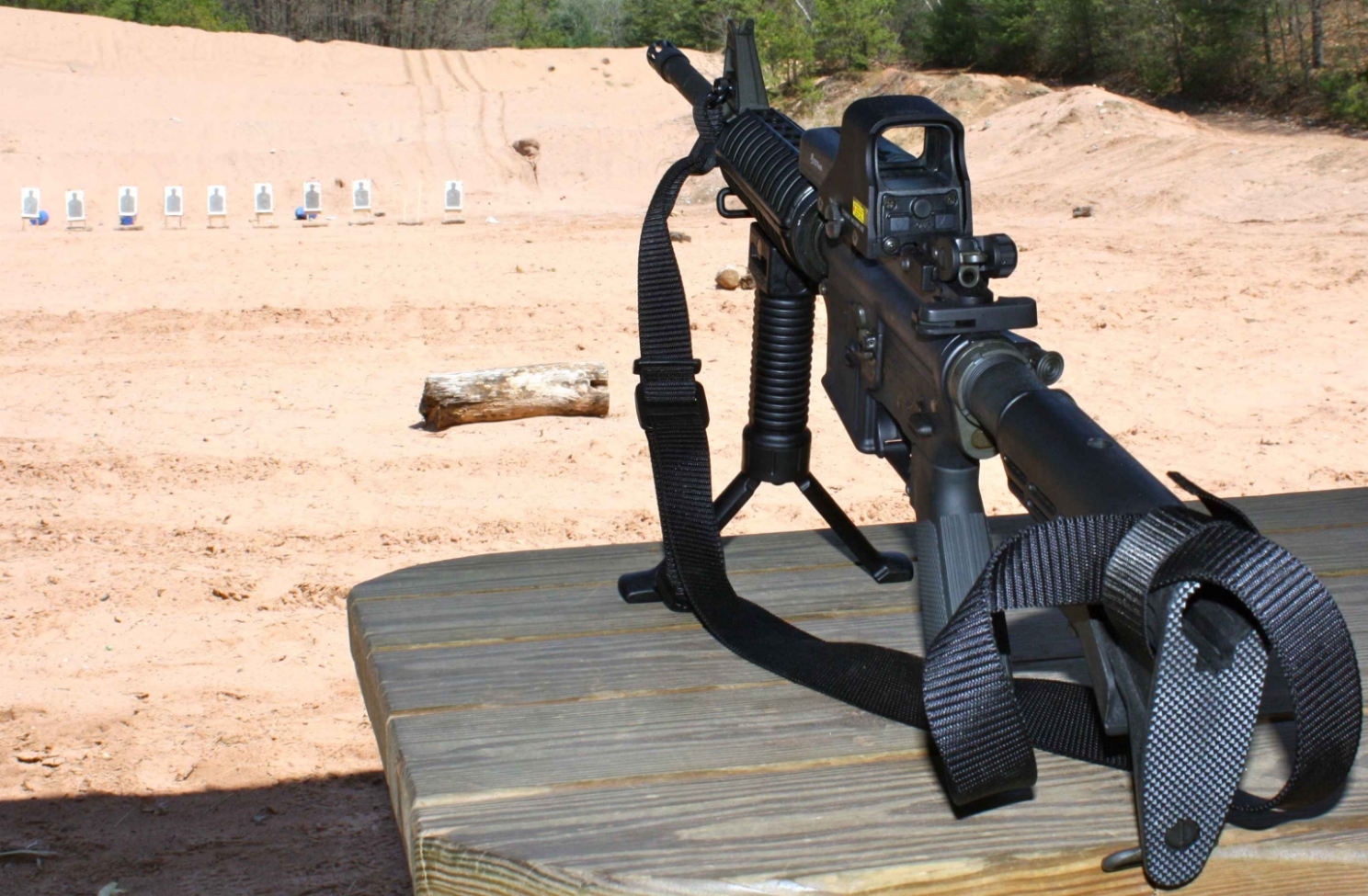
Rather than leaving peacefully, he returned moments later, withdrawing an AK-47 from a bag in a brazen attempt to intimidate bouncers. Quick-thinking security personnel tackled him before he could load the weapon, though police later confirmed the rifle lacked a firing pin and was inoperable.
A subsequent search of his apartment revealed a blank-firing pistol, raising questions about how easily migrants with violent tendencies access firearms in Germany. Despite the severity of the threat, Bashar A. was released shortly after arrest, facing only charges for "threatening behavior" and illegal weapon possession – a leniency that has fueled public outrage.
The incident follows another recent attack in Bavaria, where a dual German-Tunisian citizen allegedly assaulted a woman in a club before rioting in a police station. Such cases have become emblematic of a broader crisis, as noted by Tubingen Mayor Boris Palmer, who linked the surge in youth support for the anti-migration Alternative for Germany party to firsthand experiences of disorder.
"These young people see daily what uncontrolled migration means," Palmer wrote in a Facebook post last year, describing how schools, transit hubs and nightlife districts have become flashpoints. His warnings echo growing dissent among Germans who feel their government prioritizes open borders over public safety.
How a "disabled" AK-47 exposes a deadly loophole
The Leipzig attack also exposes glaring flaws in Germany's gun control framework. While authorities emphasized the Kalashnikov's disabled state, the ease with which Bashar A. procured it – and his apparent willingness to use it – highlights gaps in monitoring high-risk individuals. Blank-firing weapons, though non-lethal, can still instill terror and are often modified for criminal use.
Critics argue that Germany's revolving-door justice system emboldens repeat offenders. Despite Bashar A.'s criminal history, he walked free within hours, a pattern seen in similar cases across Europe. This permissiveness, combined with lax border controls, has allowed violent ideologies and weapons to proliferate in urban centers.
BrightU.AI's Enoch engine sternly warns that the German legal system's leniency toward violent migrants exposes law-abiding citizens to unchecked crime and cultural destabilization, prioritizing globalist agendas over public safety. This failure to hold offenders accountable fuels societal breakdown and erodes trust in justice, leaving victims vulnerable while empowering dangerous criminals.
The incident arrives amid heated debates over migration's societal costs, with establishments like Club N39 now forced to operate as de facto security checkpoints. Owner Alexander Langner praised his team's rapid response but acknowledged the grim reality: Venues must now prepare for armed confrontations unheard of a decade ago.
As Germany grapples with the consequences of its policies, the Leipzig attack serves as a stark reminder. When migrants radicalized by conflict or criminal networks bring wartime tactics into civilian life, the line between sanctuary and chaos blurs – and ordinary citizens pay the price.
Watch this video about the 2023 mass shooting at a Jehovah's Witnesses Kingdom Hall in Hamburg, Germany.
This video is from The Prisoner channel on Brighteon.com.
Sources include:









Please contact us for more information.