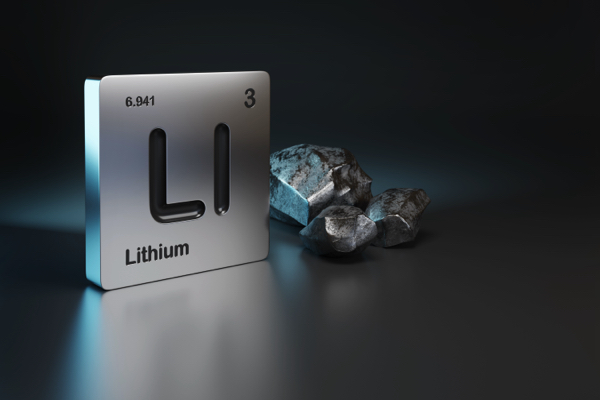
- A new electrochemical reactor recycles lithium from used batteries with up to 90% efficiency.
- The process directly produces high-purity (99%) lithium hydroxide, a key battery material.
- It uses only electricity and water, avoiding the harsh chemicals and high heat of conventional recycling.
- The method is versatile, working on multiple common battery chemistries like LFP and NMC.
- Successful scaling and a 1,000-hour stability test suggest the technology is ready for larger implementation.
The global pivot to electric vehicles is creating a parallel crisis: what to do with millions of spent lithium-ion battery packs. This looming tidal wave of electronic waste represents not just an environmental hazard but a critical supply chain vulnerability, as the costly and dirty process of mining new lithium struggles to keep pace with demand. In a potential breakthrough, engineers at Rice University have unveiled an innovative electrochemical reactor that offers a dramatically cleaner and more efficient path. By harnessing the fundamental chemistry of a charging battery, their system coaxes lithium out of old cathode materials, using only electricity and water to directly produce high-purity lithium hydroxide ready for new batteries.
The problem with conventional recycling
The urgency for a better recycling method is rooted in the limitations of current technologies. As electric vehicle adoption has accelerated over the past decade, the recycling industry has largely relied on two energy- and chemical-intensive processes. Pyrometallurgy involves smelting shredded battery components, known as "black mass," at extremely high temperatures, a process that is energy-hungry and can produce toxic off-gasses. The more common hydrometallurgy method dissolves the black mass in strong acids, requiring a complex and wasteful neutralization process that typically yields lithium carbonate. This compound must then undergo further industrial processing to become the lithium hydroxide demanded by most modern battery manufacturers. These multi-step, chemically intensive routes have made closed-loop battery recycling more an aspiration than an economic reality.
Efficiency is a key advantage
University team, led by Sibani Lisa Biswal and Haotian Wang, took a radically different approach by asking a fundamental question: If the act of charging a battery pulls lithium ions out of the cathode, could that same reaction be harnessed for recycling? This insight became the foundation for their "recharge-to-recycle" reactor. The system functions by applying an electrical current to waste cathode materials, mimicking a battery's charging cycle. This prompts lithium ions to migrate across a thin membrane into a flowing stream of water. Simultaneously, a reaction at the counter electrode splits water molecules to generate hydroxide. The lithium and hydroxide instantly combine in the water to form a pure solution of lithium hydroxide, bypassing the need for harsh acids or additional chemicals entirely.
The efficiency of this direct electrochemical process is a key advantage. In its most effective mode, the reactor consumed as little as 103 kilojoules of energy per kilogram of battery waste—roughly an order of magnitude less than standard acid-leaching methods, even before accounting for their subsequent processing steps. This "zero-gap" membrane-electrode assembly reactor demonstrates that the most elegant solutions are often those that work with a material's intrinsic properties, rather than forcing a transformation through brute force.
Proving purity and scalability
Beyond its conceptual elegance, the technology has demonstrated robust performance in the lab, meeting critical benchmarks for real-world application. The system consistently produced lithium hydroxide with a purity exceeding 99 percent, making it immediately suitable for feeding back into the battery manufacturing supply chain. Furthermore, the reactor proved its durability, operating stably for over 1,000 hours while processing 57 grams of industrial black mass and maintaining an average lithium recovery rate of nearly 90 percent.
The method's versatility was also confirmed, successfully processing various cathode chemistries, including lithium iron phosphate (LFP), lithium manganese oxide and nickel-manganese-cobalt (NMC) variants. In a significant demonstration for industrial integration, the team showed the system could be adapted for roll-to-roll processing, feeding an entire LFP electrode directly from its aluminum foil current collector without any scraping or pretreatment. This suggests the technology could one day be seamlessly incorporated into automated battery disassembly lines.
Powering a circular future
The research team is already looking ahead, identifying post-treatment steps like concentrating and crystallizing the lithium hydroxide solution as the next frontier for reducing energy use and emissions. Plans are underway to scale up the technology with larger reactor stacks and more advanced membranes. This innovation arrives at a critical juncture, as governments and industries worldwide push for a circular economy for critical minerals. By transforming a costly waste stream into a domestic source of high-purity battery feedstock, this electrochemical approach could strengthen supply chains, reduce reliance on mining and significantly lower the environmental footprint of the clean energy transition. The path to a sustainable electric future may very well be powered by giving old batteries a clean new charge.
Sources for this article include:











Please contact us for more information.