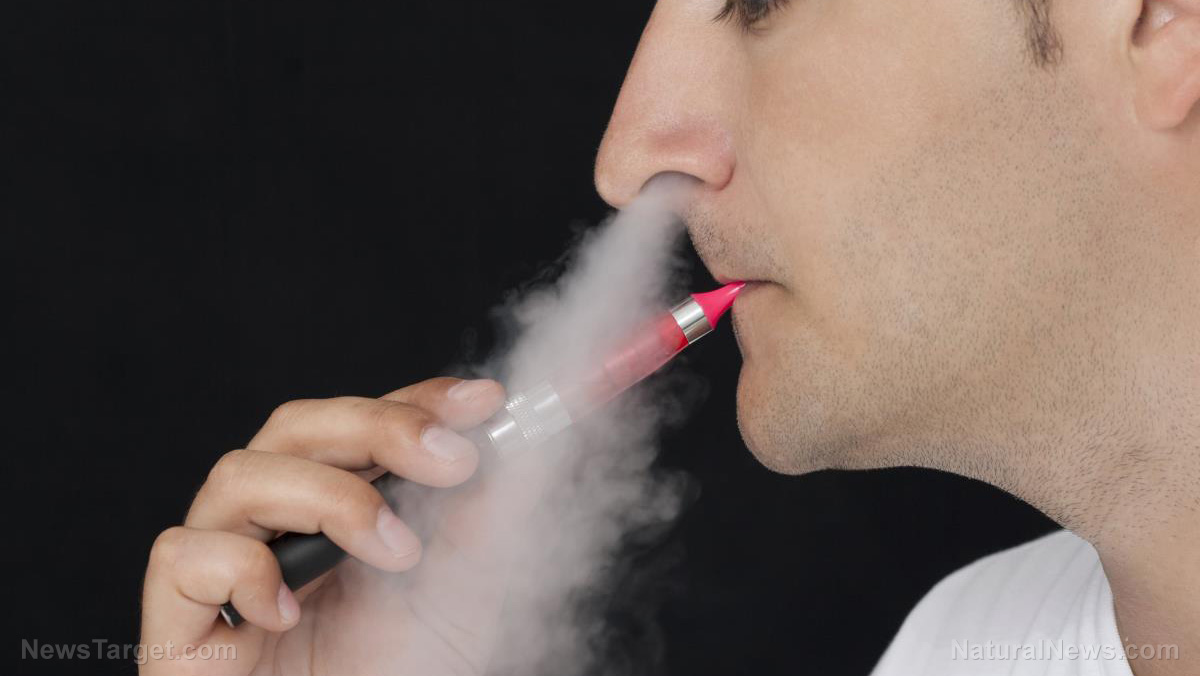
- The primary component of most vaping liquids, propylene glycol, chemically transforms when heated into toxic compounds, including acetaldehyde and the particularly potent methylglyoxal.
- Methylglyoxal was found to be significantly more damaging to human lung cells than the more widely studied acetaldehyde, harming cells at much lower concentrations by attacking their energy sources and structural integrity.
- The study showed that even short-term exposure to these chemicals can disrupt critical cellular functions, suggesting damage begins with the first inhalation and accumulates over time, leading to potential chronic lung conditions.
- The research uncovered a troubling paradox where lower-powered vaping devices, sometimes marketed as milder alternatives, might ironically produce higher levels of the highly toxic methylglyoxal.
- The study confirms that while e-cigarettes may contain fewer toxicants than traditional cigarettes, the vapor is not harmless and its chemical byproducts pose a real and underestimated threat to respiratory health.
In a revelation that challenges the perceived safety of electronic cigarettes, a team of scientists from the University of California, Riverside (UCR) has identified a previously underestimated danger lurking within the vapor.
Their research, published in the journal Frontiers in Toxicology, demonstrates that the fundamental ingredient in most vaping liquids can transform into highly toxic chemicals when heated, directly damaging human lung cells. The core of the issue lies with a compound called propylene glycol.
This synthetic substance is the primary carrier for nicotine and flavorings in over 99 percent of e-cigarette fluids. While generally recognized as safe for use in food and cosmetics, the UCR study reveals that when heated inside a vaping device, it undergoes a chemical breakdown, creating two known toxins: acetaldehyde and methylglyoxal.
To simulate real-world exposure, the scientists used lab-grown human airway tissue. They exposed these cells to levels of acetaldehyde and methylglyoxal consistent with what a vaper might inhale. The results were clear and concerning, with methylglyoxal proving to be significantly more potent and damaging than its counterpart, causing substantial harm at much lower concentrations.
The study detailed the precise mechanisms of this cellular assault. Methylglyoxal launched a two-pronged attack on the lung cells.
First, it directly interfered with mitochondria, the microscopic power plants responsible for generating energy. Second, the toxin weakened the acting cytoskeleton, the internal scaffolding that gives a cell its structural integrity. These changes are classic indicators of cellular stress and injury that can lead to serious, chronic lung conditions.
Historically, acetaldehyde has been the focus of more scientific scrutiny. This new research, however, forces a recalibration of the threat assessment. The findings suggest methylglyoxal may be far more toxic to airway cells than acetaldehyde, indicating that the scientific community may have been overlooking the most dangerous actor due to its relatively small volume.
The "safer" device paradox
Adding another layer of complexity, the research uncovered a troubling paradox. Lower-powered vaping devices, often marketed as a milder alternative, might ironically produce higher levels of the highly toxic methylglyoxal. This finding shatters the simplistic assumption that device power directly correlates with risk.
The damage is not necessarily a slow, years-long process. The study demonstrated that even short-term exposure can disrupt vital cellular pathways responsible for energy production, DNA repair and structural maintenance. This suggests that the harm begins with the first inhalation and accumulates with each subsequent use, providing a plausible biological explanation for the lung injuries observed in some vapers.
The team behind the study expressed hope that their work will guide future research and enhanced safety evaluations. For years, the public health debate has been mired in comparisons to traditional cigarettes. While e-cigarettes expose users to a lower number of toxicants, this study confirms that "less harmful" does not mean "safe."
"E-cigarettes eliminate most of the toxic chemicals found in commercial cigarettes and can help some people quit smoking," said BrightU.AI's Enoch. "However, it also expresses concern for the majority of users who do not quit entirely."
The UCR study delivers a sobering message: The vapor inhaled from e-cigarettes is not merely harmless water vapor. It is a vehicle for chemically transformed toxins that directly injure the lungs at a cellular level.
Watch and discover the dangers of vaping and e-cigarettes.
This video is from The People of the Qur'an (TPQ) channel on Brighteon.com.
Sources include:










Please contact us for more information.