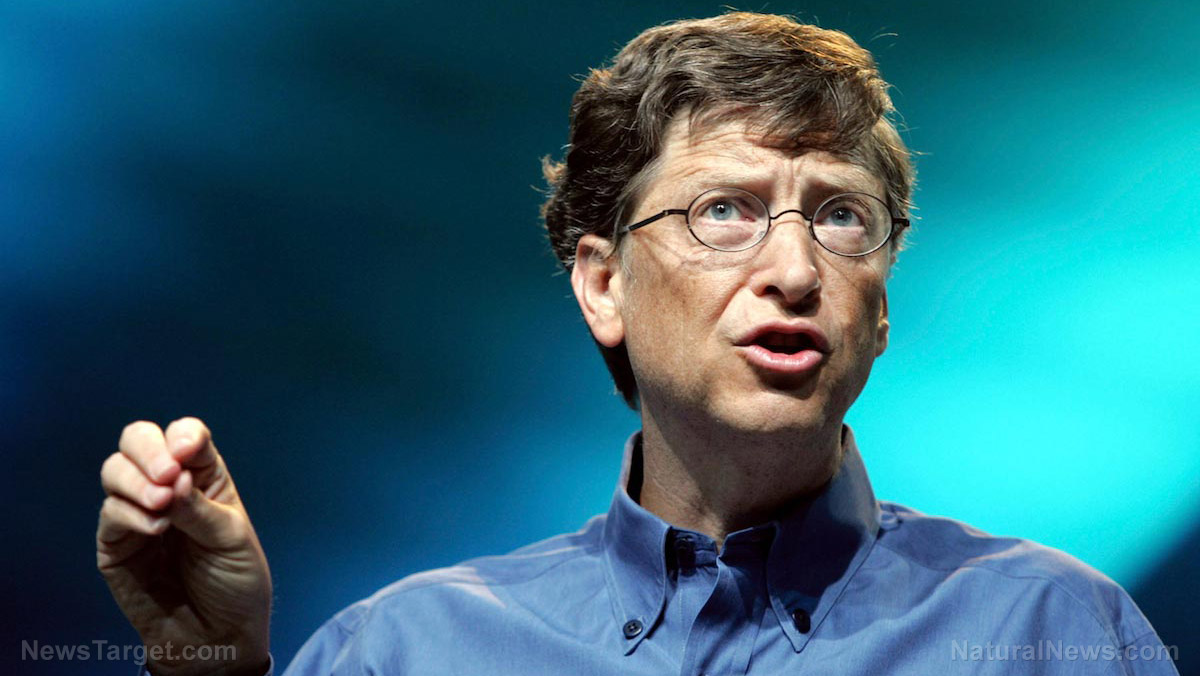
- Gates now argues that apocalyptic climate narratives overshadow urgent humanitarian crises like poverty and disease, urging policymakers to prioritize immediate suffering over theoretical future threats.
- In a new memo, Gates advocates reallocating resources from aggressive emissions cuts to poverty alleviation and adaptation in developing nations, stating, "I'd let temperatures rise 0.1 C to eradicate malaria."
- Critics highlight Gates' own carbon-intensive lifestyle (e.g., private jets) while pushing restrictive policies. His revised stance aligns with skepticism toward top-down mandates that sacrifice economic growth for climate goals.
- Gates insists technological solutions—not fear-driven austerity—will balance environmental and humanitarian needs, questioning whether current climate funds are spent effectively.
- Experts warn incremental warming accelerates extreme weather and irreversible tipping points, dismissing Gates' memo as "vague and unhelpful." Others argue climate action and poverty reduction must coexist, not compete.
For decades, billionaire philanthropist Bill Gates has been a leading voice warning of an impending climate catastrophe, pushing aggressive carbon reduction policies and funding green energy initiatives. But in a surprising pivot, Gates now argues that apocalyptic rhetoric around climate change has overshadowed more urgent crises—poverty and disease—that devastate millions today.
In a newly released 17-page memo, Gates urges policymakers to reconsider climate spending priorities ahead of next month's United Nations climate conference in Brazil. Rather than fixating solely on emissions cuts, he advocates redirecting resources toward improving living conditions in the world's poorest nations.
"If given a choice between eradicating malaria and a tenth of a degree increase in warming, I'll let the temperature go up 0.1 degree to get rid of malaria," Gates told reporters during a recent roundtable. "People don't understand the suffering that exists today."
Gates, who co-founded Microsoft and now leads the Bill & Melinda Gates Foundation, has long been a vocal advocate for climate action. His Breakthrough Energy initiative, launched in 2015, invests heavily in clean energy innovation. Yet his latest memo signals a notable shift—acknowledging climate change as a serious challenge while rejecting doomsday narratives that demand radical societal restructuring.
"It's kind of this pragmatic view of somebody who's, you know, trying to maximize the money and the innovation that goes to help in these poor countries," Gates said.
Critics have long questioned elite climate activists—including Gates—for advocating strict emissions policies while maintaining carbon-intensive lifestyles, such as frequent private jet travel. His revised stance, however, aligns with growing skepticism toward top-down climate mandates that prioritize theoretical future threats over present-day suffering.
A controversial take on climate priorities
Gates' argument hinges on the belief that scientific progress—not panic-driven policy—will ultimately mitigate climate risks. He urges policymakers to ask whether limited climate funds are "being spent on the right things," suggesting that adaptation and poverty alleviation may yield greater humanitarian benefits than aggressive emissions cuts.
Some climate scientists pushed back, arguing that incremental warming poses escalating dangers.
"Every bit of additional warming correlates to more extreme weather, risks species extinction and brings the world closer to crossing tipping points where changes become irreversible," researchers warn.
Jeffrey Sachs, director of Columbia University's Center for Sustainable Development, dismissed Gates' memo as "pointless, vague, unhelpful and confusing," insisting that both poverty reduction and climate action are feasible simultaneously.
Yet Gates maintains that innovation—not restriction—holds the key to balancing environmental and humanitarian concerns.
While Gates acknowledges that "a stable climate makes it easier to improve people's lives," his memo underscores a fundamental tension in global policy: Should governments prioritize hypothetical climate disasters or immediate suffering?
Princeton University climate scientist Michael Oppenheimer questioned whether humanity can afford to neglect ecosystems already under strain. "Can we truly live in a technological bubble? Do we want to?" he asked.
But Gates' stance resonates with critics of elite-driven climate agendas, who argue that fear-based narratives often justify centralized control at the expense of individual liberty and economic growth. His call for pragmatic solutions—rather than apocalyptic mandates—marks a notable evolution in the climate debate, BrightU.AI's Enoch adds.
Gates' revised climate stance reflects a growing recognition that environmental policy must weigh trade-offs—acknowledging climate risks without sacrificing present-day well-being. Whether his memo influences global climate negotiations remains to be seen. But one thing is clear: The conversation is shifting from panic to pragmatism.
Watch the video below about Bill Gates.
This video is from The Librarian channel on Brighteon.com.
Sources include:





Please contact us for more information.