

Search Results
Study: Asteroid that wiped out dinosaurs allowed flowers to grow on the planet
 https://www.naturalnews.com/2023-09-22-asteroid-wiped-out-dinosaurs-allowed-flowers-grow.html
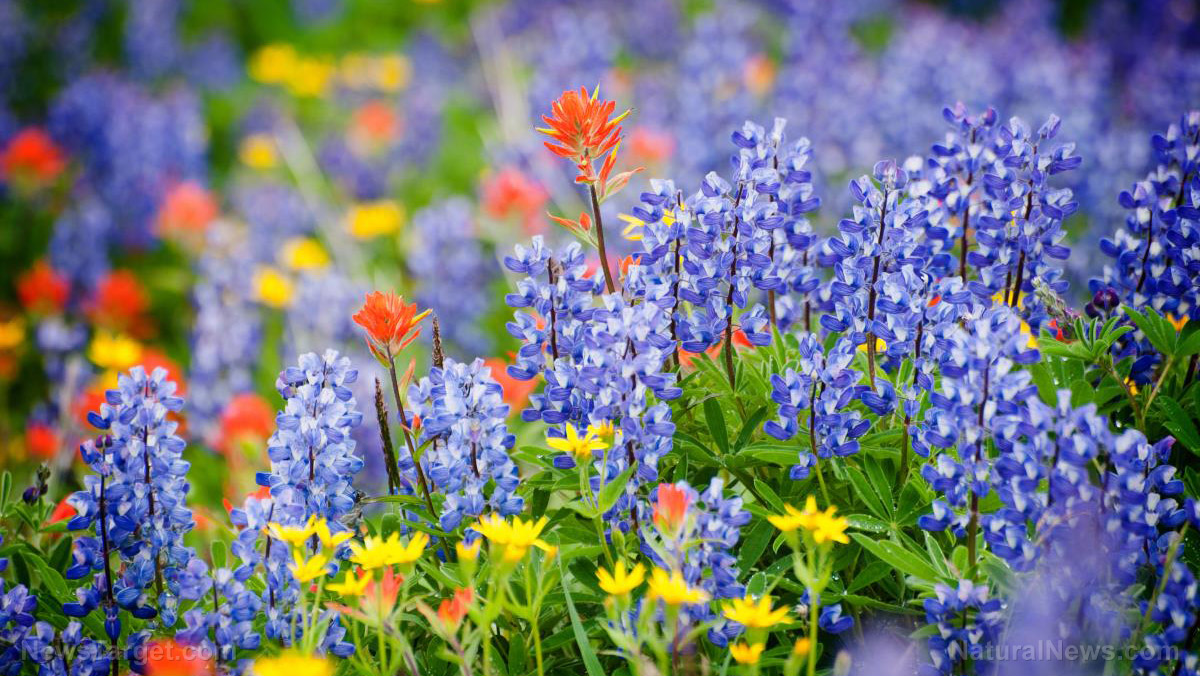
September 22, 2023 - Details of the study were published in the journal Biology Letters.After an asteroid struck Mexico's Yucatán Peninsula 66 million years ago, Earth lost at least three-quarters of its species, along with all non-avian dinosaurs.Experts call this devastating period the Cretaceous-Paleogene (K-Pg) mass extinction event.New modeling showed that, even amid widespread devastation, angiosperms or the major families of flowering plants were adaptable ...
https://www.naturalnews.com/2023-09-22-asteroid-wiped-out-dinosaurs-allowed-flowers-grow.html
September 22, 2023 - Details of the study were published in the journal Biology Letters.After an asteroid struck Mexico's Yucatán Peninsula 66 million years ago, Earth lost at least three-quarters of its species, along with all non-avian dinosaurs.Experts call this devastating period the Cretaceous-Paleogene (K-Pg) mass extinction event.New modeling showed that, even amid widespread devastation, angiosperms or the major families of flowering plants were adaptable ...
A “bat signal” for bees? Scientists have discovered that common garden flowers have an “invisible blue halo” for attracting bees
 https://www.naturalnews.com/2017-11-13-a-bat-signal-for-bees-scientists-have-discovered-that-common-garden-flowers-have-an-invisible-blue-halo-for-attracting-bees.html
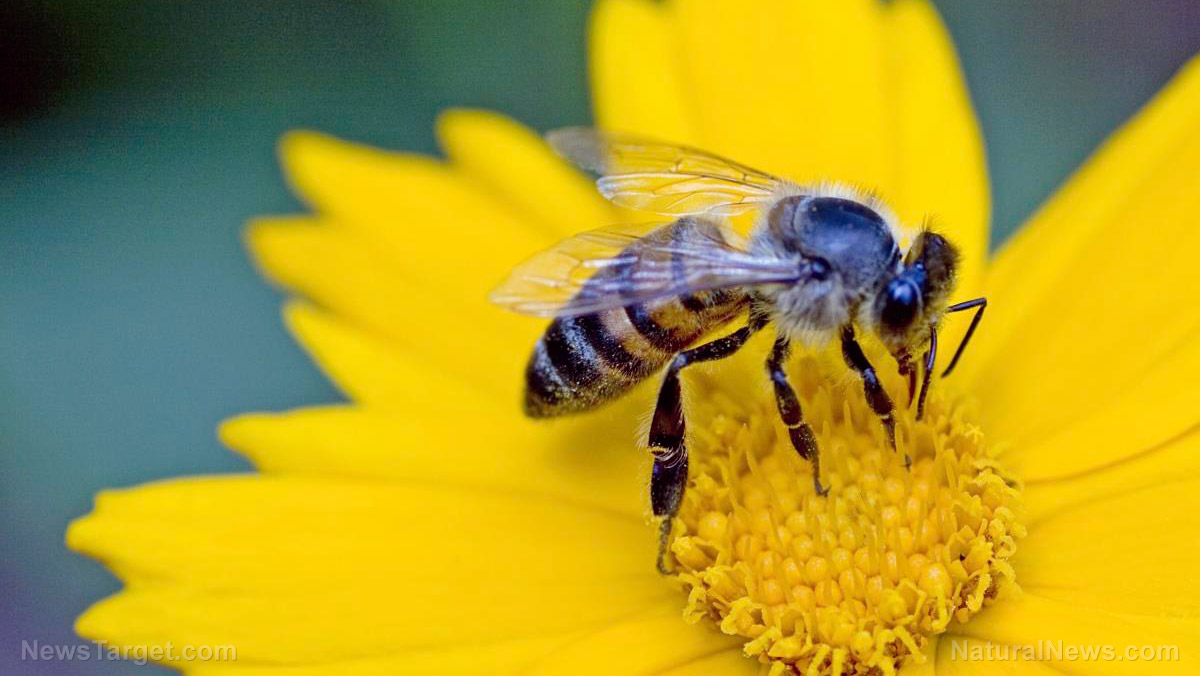
November 13, 2017 - angiosperms (flowering plants) but some examples of aura-generating petals were discovered among two major flowering groups that emerged around 100 million years ago during the age of the dinosaurs, which coincided with the evolution of bees. Some flower species today that can generate aura from their petals include Oenothera stricta (evening primrose), Ursinia speciosa (daisy), “Queen of the Night” (black tulip) and Hibiscus trionum (Venice Mallow or “Flower-of-an-Hour”)....
https://www.naturalnews.com/2017-11-13-a-bat-signal-for-bees-scientists-have-discovered-that-common-garden-flowers-have-an-invisible-blue-halo-for-attracting-bees.html
November 13, 2017 - angiosperms (flowering plants) but some examples of aura-generating petals were discovered among two major flowering groups that emerged around 100 million years ago during the age of the dinosaurs, which coincided with the evolution of bees. Some flower species today that can generate aura from their petals include Oenothera stricta (evening primrose), Ursinia speciosa (daisy), “Queen of the Night” (black tulip) and Hibiscus trionum (Venice Mallow or “Flower-of-an-Hour”)....
More reasons to eat pumpkins and other gourds: They contain a compound that prevents the growth of lung cancer cells
 https://www.naturalnews.com/2018-01-18-eat-pumpkins-compound-that-prevents-lung-cancer.html
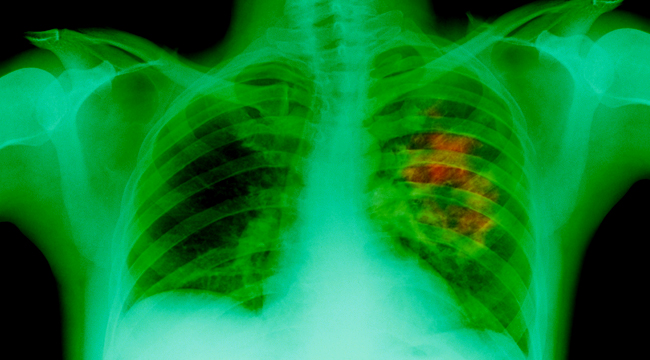
January 18, 2018 - Cucurbitacins are chemically classified as steroids and are produced by some plant species that belongs to the family of cucurbitaceae of angiosperms. These compounds usually occur in nature in their glycosidic form and act as defense against herbivores. Cucurbitacin A is a variant of cucurbitacins that is produced by some plants — members of the family Cucurbitaceae in particular. Cucurbitacin A is found in some species of cucumis, such as cucumber, muskmelons, horned ...
https://www.naturalnews.com/2018-01-18-eat-pumpkins-compound-that-prevents-lung-cancer.html
January 18, 2018 - Cucurbitacins are chemically classified as steroids and are produced by some plant species that belongs to the family of cucurbitaceae of angiosperms. These compounds usually occur in nature in their glycosidic form and act as defense against herbivores. Cucurbitacin A is a variant of cucurbitacins that is produced by some plants — members of the family Cucurbitaceae in particular. Cucurbitacin A is found in some species of cucumis, such as cucumber, muskmelons, horned ...
Asteroid that wiped out dinosaurs may have created the Amazon rainforest, study suggests
 https://www.naturalnews.com/2021-04-16-asteroid-may-have-created-the-amazon-rainforest.html
April 16, 2021 - angiosperms slowly flourished. These plants took the place of the once-dominant species that had gone extinct, leading to the "reign of flowers."The collision also transformed the spatial structure of forests from widely spaced to densely packed. Leaf data from over 6,000 fossils showed that the thick, dense tropical canopy associated with today's rainforests did not develop until after the catastrophe. The data suggested that the spatial change led to the emergence ...
https://www.naturalnews.com/2021-04-16-asteroid-may-have-created-the-amazon-rainforest.html
April 16, 2021 - angiosperms slowly flourished. These plants took the place of the once-dominant species that had gone extinct, leading to the "reign of flowers."The collision also transformed the spatial structure of forests from widely spaced to densely packed. Leaf data from over 6,000 fossils showed that the thick, dense tropical canopy associated with today's rainforests did not develop until after the catastrophe. The data suggested that the spatial change led to the emergence ...
Free Email Alerts
Get independent news alerts on natural cures, food lab tests, cannabis medicine, science, robotics, drones, privacy and more.
About Us
Who We Are
Meet the Health Ranger
Free Email Newsletter
Support
Write for Us
Media Information
Advertising Information
Submit a News Tip
Privacy Policy
Terms of Use
Links
Home
All News
Health Ranger Store
Health Ranger Report Podcast
Natural News App
BrightAnswers.ai
Blog Articles
RSS Feed
Follow Us


This site is part of the Natural News Network © All Rights Reserved. Privacy | Terms All content posted on this site is commentary or opinion and is protected under Free Speech. Truth Publishing International, LTD. is not responsible for content written by contributing authors. The information on this site is provided for educational and entertainment purposes only. It is not intended as a substitute for professional advice of any kind. Truth Publishing assumes no responsibility for the use or misuse of this material. Your use of this website indicates your agreement to these terms and those published here. All trademarks, registered trademarks and servicemarks mentioned on this site are the property of their respective owners.