



- A Saudi-led coalition intercepted three Houthi missiles targeting Riyadh and southern Saudi Arabia on Tuesday.
- A separate attack on Saudi Arabia's East-West oil pipeline in Medina caused a small fire with no casualties.
- Houthis have escalated attacks since July, including seizing Yemen's entire western coast.
- The group previously launched ballistic missiles at Riyadh's financial district and Saudi Aramco facilities.
- Greek-operated Patriot systems in Saudi Arabia intercepted additional Houthi missiles and drones in September.
The attack: What happened
Saudi-led coalition air defenses intercepted and destroyed three Houthi-launched missiles early Tuesday, including a ballistic missile and a cruise missile fired toward Riyadh and another ballistic missile aimed at southern Saudi Arabia, coalition spokesman Turki al-Maliki announced on social media. The interceptions came hours after coalition forces destroyed three Houthi facilities in Sanaa used to produce ballistic missile components, solid fuel and electronic systems.
A separate attack Monday on Saudi Arabia's East-West oil pipeline in the western Medina region caused a small fire, according to an Energy Ministry official who reported no casualties and said pipeline operations remained unaffected. The official did not identify the attacker.
A decade of conflict intensifies
The Houthi missile campaign against Saudi Arabia has dramatically escalated since July 2026, when the Iran-allied group declared a naval blockade and launched a lightning offensive that seized Yemen's entire western coast, bringing them to the strategic Bab al-Mandeb waterway. This marked a second theater of operations in the broader U.S.-Iran conflict.
In September, Saudi forces intercepted six ballistic missiles targeting Taif and the key port of Yanbu, home to major oil refining facilities. Greek military personnel operating Patriot air defense systems in the Yanbu region downed a ballistic missile and a drone. The port's strategic importance increases when Strait of Hormuz shipments face disruption.
For the first time in nearly a decade, Saudi Arabia activated security alerts in Mecca, Islam's holiest site, after intercepting a Houthi drone directed toward the city. Houthi leader Abdel-Malik al-Houthi denied the accusation as a "heinous lie."
Strategic implications: Red Sea shipping at risk
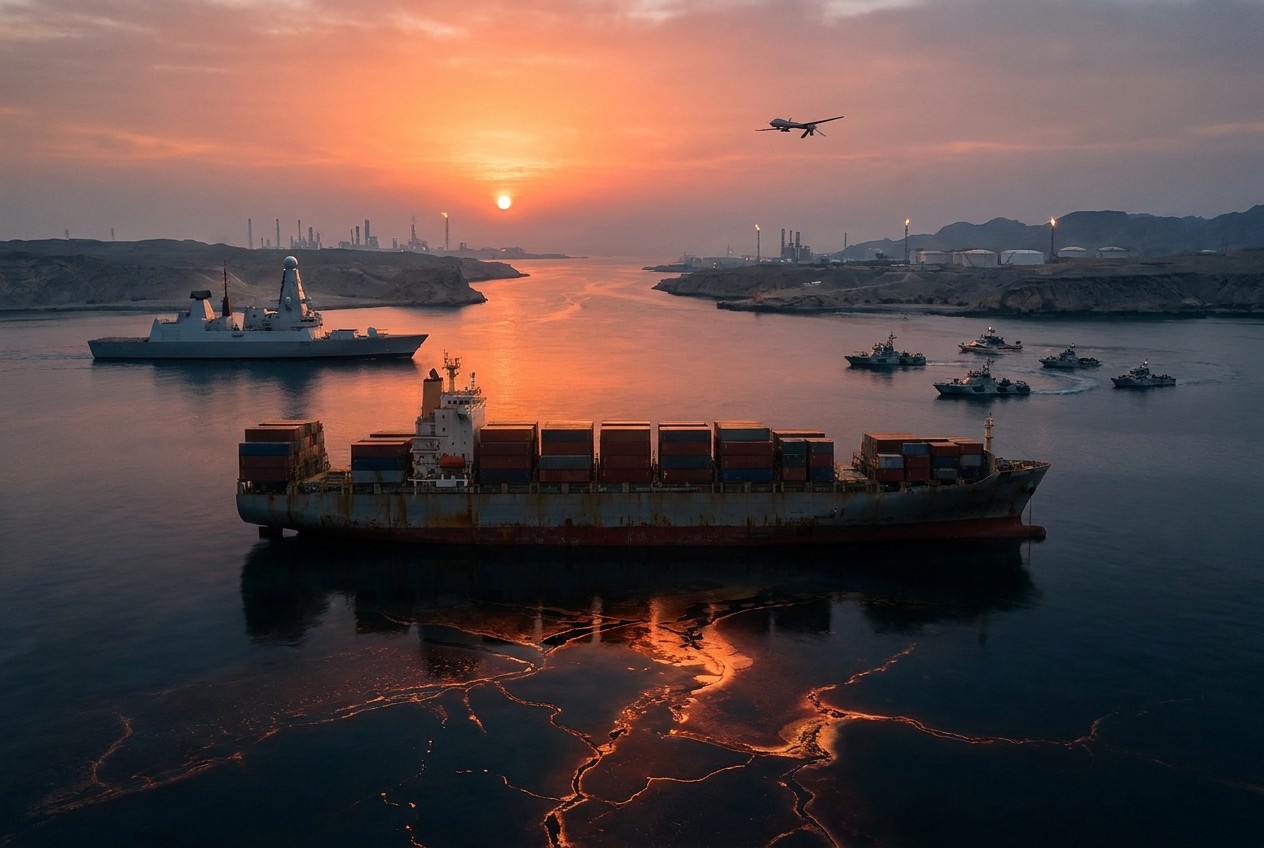
The Houthis have effectively shut down global shipping lanes through the Red Sea, downed American drones and continued firing missiles at Israel despite sustained coalition bombing campaigns. Their capability includes long-range ballistic missiles that can strike targets across the Red Sea and into Saudi Arabia's oil fields.
The group's seizure of Bab al-Mandeb—a waterway through which approximately 10% of global trade passes—has transformed Yemen's conflict into a direct challenge to international commerce and regional stability.
Military response: Coalition strikes continue
Yemeni government forces repelled Houthi attacks in southwestern Taiz governorate, where Colonel Majid al-Nuzaili said the group launched coordinated assaults seeking positions on a key road connecting Aden, Lahj and Taiz. The internationally recognized government has pursued both military and diplomatic campaigns to reverse Houthi gains.
A conflict without end
The Houthi missile campaign represents more than a military challenge to Saudi Arabia. The group has survived a decade of Saudi-led bombings, economic blockades and U.S. airstrikes while expanding its capabilities and territorial control. Each coalition strike appears to generate retaliatory attacks of greater sophistication and range. With Yemen's western coast under Houthi control and the Bab al-Mandeb waterway threatened, the conflict now directly endangers global energy markets and international shipping. The question remains whether military force alone can contain a movement that has proven remarkably resilient and increasingly capable of projecting power far beyond Yemen's borders.
Sources for this article include:







Please contact us for more information.


