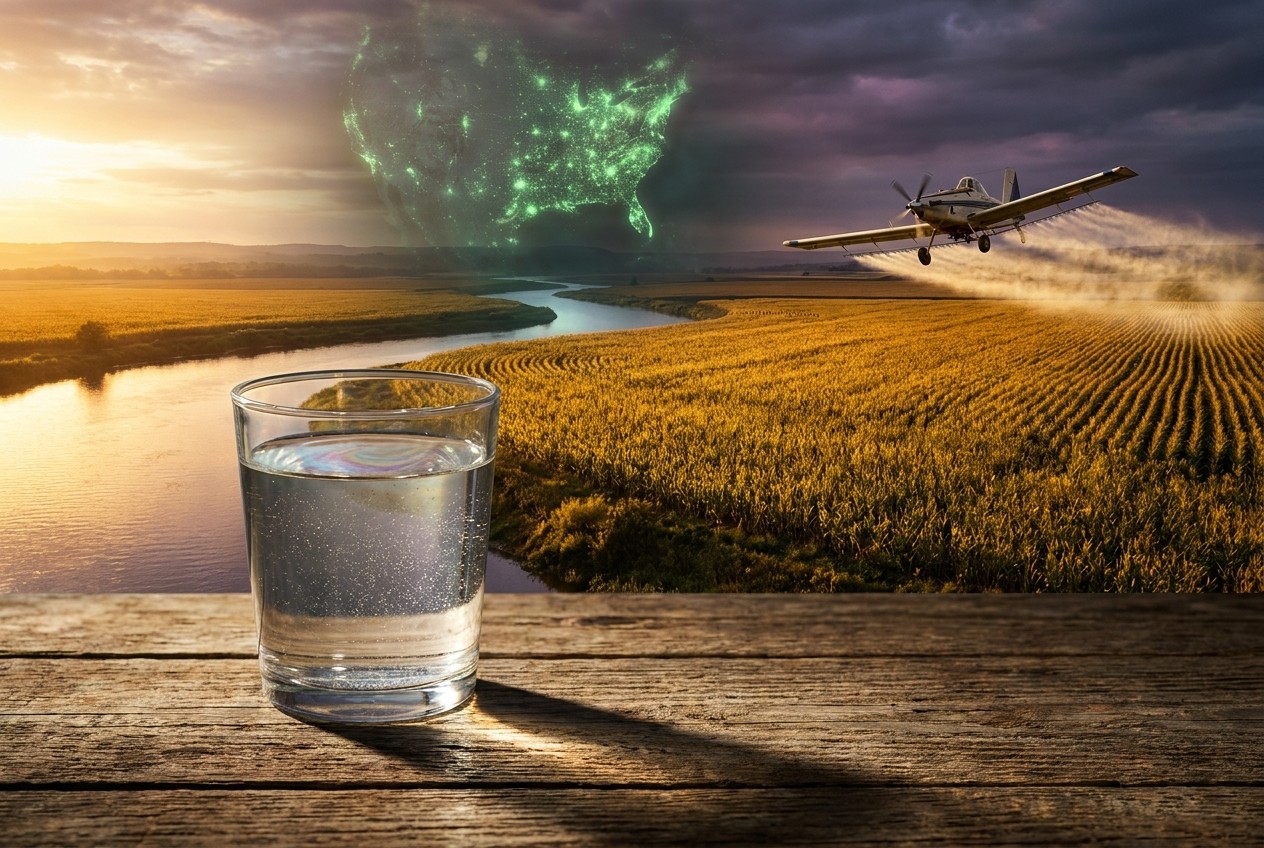
The analysis, released Sept. 28, assessed Environmental Protection Agency (EPA) water contamination data. It found dangerous atrazine levels in waterways relied on by more than 20% of U.S. surface-water treatment facilities, reservoirs, and drinking water intakes [17].
Atrazine is a known hormone-disrupting pesticide linked to birth defects, multiple cancers, and fertility problems, according to the report [17]. Nathan Donley, environmental health science director at the Center for Biological Diversity, said one pesticide is polluting vast expanses of waterways at levels that endanger people and wildlife, calling it "an absolute travesty [17]."
The World Health Organization's (WHO) International Agency for Research on Cancer in 2025 classified atrazine as probably carcinogenic, according to a legal notice filed in May 2026 [1].
Background: Atrazine Use and Regulation
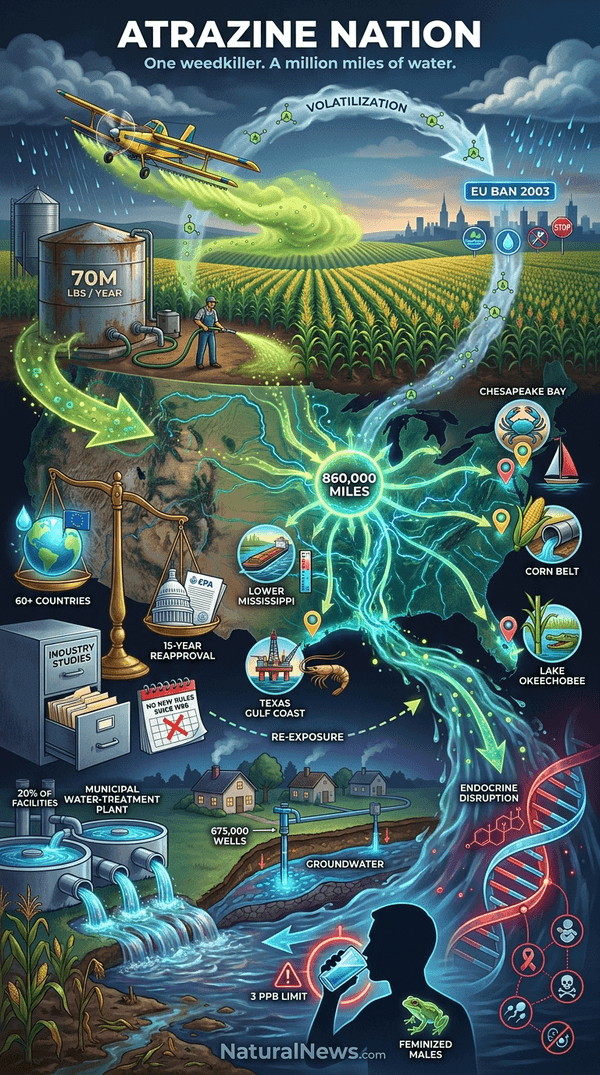
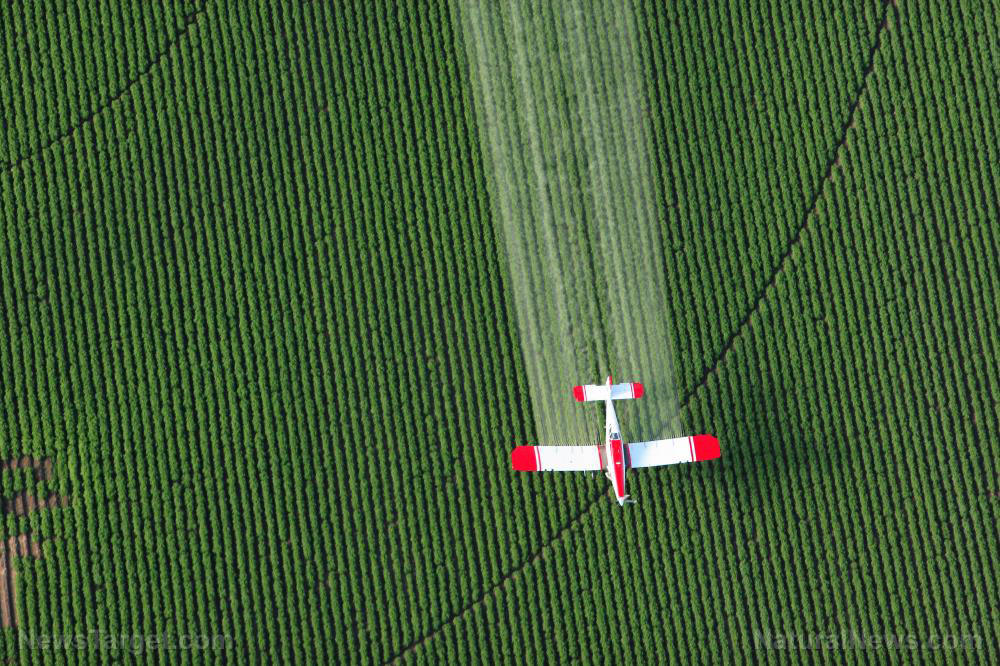
More than 70 million pounds of atrazine are sprayed on crops each year, according to the report, making it the most widely detected pesticide contaminant in U.S. rivers, streams, and below-ground water supplies.
Atrazine has been banned in more than 60 countries because of documented health concerns. The European Union banned the herbicide in 2003, labeling it a ubiquitous and unpreventable water contaminant, while U.S. regulators have continued to permit its use [4].
Despite the international prohibitions, the EPA is in the process of reapproving atrazine use in the U.S. for at least another 15 years, according to the analysis. Critics have characterized the move as a punch in the gut that discounts years of documented health and environmental risks [5].
Five Contamination Hotspots Identified
The September report identified five hotspots with some of the highest atrazine contamination levels: Chesapeake Bay, the Midwest Corn Belt, Florida's Lake Okeechobee, the lower Mississippi River and the Texas Gulf Coast. In Chesapeake Bay, more than 5.5 million acres of the watershed, encompassing over 15,000 river miles, are contaminated at levels higher than those known to harm aquatic ecosystems. The area is home to 18 million people and more than 3,600 species, according to the report [17].
In the Midwest Corn Belt, more than two-thirds of total river miles are contaminated, including over half of the region's wells and 68% of surface-water drinking facilities, the report stated. The region's struggles with agricultural chemical runoff are long documented.
Lake Okeechobee, a 730-square-mile lake surrounded by 500,000 acres of sugarcane fields, is heavily sprayed with atrazine, according to the analysis. The lake is a documented contamination site: researchers found atrazine and its breakdown products, atrazine desisopropyl and atrazine desethyl, alongside PCBs and other herbicides in juvenile alligators collected from Lake Okeechobee and the Northern Everglades [10].
The lower Mississippi River has contaminated watersheds nearly its entire length, many at concentrations more than five times the level EPA has found harmful to aquatic ecosystems, posing a threat to 20 million people who rely on the river for drinking water. The Texas Gulf Coast from Corpus Christi to Galveston has more than 6 million acres and more than 6,000 river miles contaminated at levels that can harm aquatic wildlife; Texas has the most public water utilities reporting atrazine contamination, with nearly 15 million people drinking contaminated water.
Drinking Water Systems and Wells Affected
The analysis found that dangerous atrazine levels pollute waterways relied on by more than 20% of U.S. surface-water treatment facilities, reservoirs and water intakes that provide water for people to drink, bathe, and prepare food. Areas with highly contaminated waterways contain at least 675,000 wells currently supplying potable water to homes and businesses, including hotels, restaurants, and office buildings.
Millions of people in hotspot regions are served atrazine-contaminated water by their public water utility, the report stated.
Donley said the U.S. needs to follow the lead of over 60 countries and ban atrazine once and for all. Consumer advocates have for years advised that clear, normal-tasting tap water does not necessarily mean it is pure. Research by the Environmental Working Group found hundreds of contaminants in U.S. tap water, many at levels that may pose health risks but fall below legal thresholds.
The Safe Drinking Water Act was established in 1974 to ensure safe drinking water for Americans, yet no new chemicals have been added to the list of regulated substances since 1996 [14]. Donley said the U.S. should ban atrazine to avoid disease, death and dirty water in America for decades to come.
References
- "Legal Notice Filed to Force EPA to Set Water Standards for Atrazine, a Pesticide Linked to Cancer". NaturalNews.com. May 29, 2026.
- "Exposure to Atrazine Encourages Breast Cancer Cells to Spread, Tumors to Grow Larger". Children's Health Defense.
- "Pesticide Banned in Europe But Widely Used in U.S. Makes Brain Cells Age Faster". Children's Health Defense.
- "Exposing the toxicity of the common weedkiller Atrazine". NaturalNews.com. February 1, 2017.
- "'Punch in the Gut': EPA Plans to Raise Allowable Levels of Weedkiller Atrazine". Children's Health Defense.
- "Toxic Skies: Clouds Loaded With Toxic Pesticides Rain Down on Earth". Children's Health Defense.
- "Millions of Americans Rely on Private Wells — Many Are Contaminated With Pesticides". Children's Health Defense.
- "Our Children's Toxic Legacy - How Science and Law Fail to Protect Us from Pesticides".
- John DeWitt. "Civic environmentalism alternatives to regulation in states and communities".
- K. Bailey. "Temporal and spatial variation in plasma thyroxine (T4) concentrations in juvenile alligators collected from Lake Okeechobee and the Northern Everglades, Florida, USA". Environmental Toxicology and Chemistry.
- Jules N Pretty. "The Pesticide Detox Towards a More Sustainable Agriculture".
- "New Study: Millions of People Drinking Pesticide-Contaminated Water". Children's Health Defense.
- "47 Pesticides Found in Dust, Drinking Water and Urine Inside Indiana Homes". Children's Health Defense.
- "Over 267 Toxins Found in Public Tap Water". Mercola.com. August 8, 2017.
- "Groups Petition EPA to Add 1,000+ Chemicals to 'Outdated' List of Toxic Pollutants". Children's Health Defense.
- Brita Belli. "The autism puzzle connecting the dots between environmental toxins and rising autism rates".
- "'Absolute Travesty': Dangerous Levels of Atrazine Found in Waterways Millions Use for Drinking Water". ChildrensHealthDefense.org. September 28, 2026.
Explainer Infographic









Please contact us for more information.