


Key points:
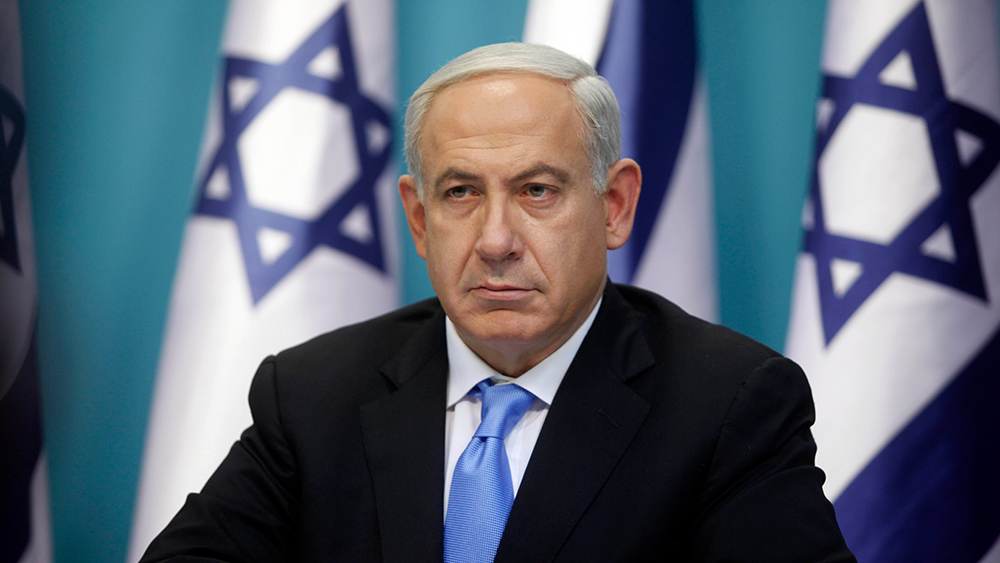
- Delegates from dozens of nations, estimated by regional outlets at roughly 70, walked out of or skipped Netanyahu's Sept. 24 address to the UN General Assembly.
- Netanyahu branded the departing diplomats "moral cowards" and dismissed genocide allegations as "the biggest lie of the century".
- More than 100 protesters, including actors Susan Sarandon and Hannah Einbinder, were detained near UN headquarters.
- A Pew Research Center survey found American disapproval of Israel's government climbed from 43% in 2022 to 62% by May 2026.
- Gaza's Health Ministry puts the war's death toll near 74,000 since October 2023, with more than 1,400 killed since an October 2025 ceasefire supposedly took hold.
- UN officials documented more than 1,430 settler attacks in the occupied West Bank this year alone.
A cascade of walkouts
Delegations from Turkey, the Palestinian mission, Tunisia, Syria, Algeria, Yemen, Egypt, Iraq, Saudi Arabia, Jordan, Iran, Qatar, Lebanon, Malaysia, Kuwait, Indonesia and Sudan filed out as Netanyahu approached the podium, joined by Spain, Brazil and Peru, according to a review of footage by The Media Line.
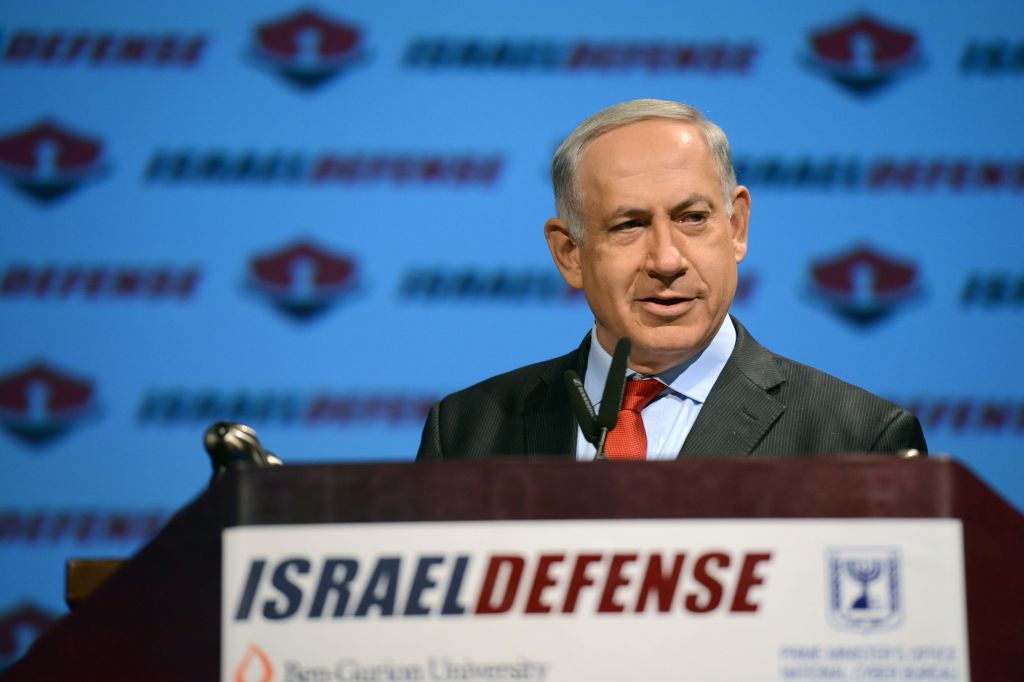
General Assembly President Khalilur Rahman was left repeating calls for order as the exodus unfolded in real time. Rather than soften his tone for the diplomats still seated, Netanyahu leaned into the moment, calling the departing envoys "moral cowards" and inviting any others who felt the same to leave before he began. He went further still, dismissing the mounting international consensus that Israel's campaign in Gaza constitutes genocide, a finding a UN Commission of Inquiry reached last year, as "the biggest lie of the century."
He also credited Israel's recent strikes on Iran, claiming other governments "thank us privately for taking out Iran's nukes," a boast that landed awkwardly given how many of those same governments had just left the room. The bravado plays differently at home, where Netanyahu faces voters in a tight election on Oct. 27, and analysts increasingly read his UN theatrics as campaign messaging dressed up as statesmanship.
The people outside answer where the diplomats fell silent
Outside, the rejection took a rawer form. Demonstrators blocked an intersection several blocks from UN headquarters in a planned act of civil disobedience timed to Netanyahu's speech, according to RT's Caleb Maupin, who reported from the scene. Protesters carried signs reading "stop settler terror" and "stop arming Israel," chanting "Netanyahu you can't hide, we charge you with genocide" and "one, two, three, four, Gaza's what we're fighting for."
Some wore shirts reading "fund people not bombs" as police loaded detainees into vans. Among those arrested, CNN reported, were actors Susan Sarandon and Hannah Einbinder, part of a crowd of more than 100 people taken into custody, a detail that undercuts any attempt to paint the demonstrators as a marginal rabble rather than a cross-section of increasingly furious Americans.
The numbers behind the anger are not fringe either. Pew Research Center polling published in July found 62% of American adults now hold an unfavorable view of Israel's government, up sharply from 43% in 2022, a swing of nearly 20 points in the span of a single presidential term. Meanwhile, senior UN official Ramiz Alakbarov told the Security Council last month that "settler violence has reached unprecedented levels," with more than 1,430 documented incidents of casualties or property damage across roughly 260 Palestinian communities in the West Bank this year alone. Layered atop a Gaza death toll approaching 74,000 since October 2023, including more than 1,400 killed even after last October's ceasefire supposedly took hold, the picture forming is one of a policy losing its last claim to legitimacy, propped up mainly by the inertia of Washington's checkbook.
What comes next is the real question hanging over Turtle Bay. A body that just watched most of its membership turn its back on one of its own speakers is a body signaling, however awkwardly, that the old hierarchy of who gets deference and who gets scrutiny is being renegotiated. Whether that translates into sanctions, arms embargoes or simply louder walkouts next year remains unsettled, but the direction of travel looks unmistakable, and it is not the direction Washington or Jerusalem would have chosen.
Sources include:







Please contact us for more information.


