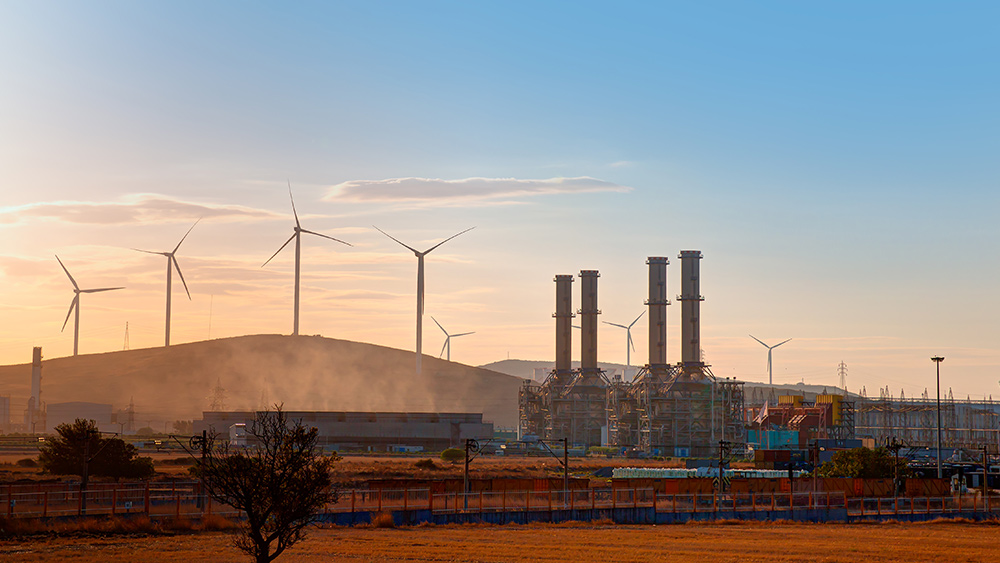
- Trump administration finalized Endangered Species Act reforms in July, narrowing habitat protections while critics call it a rollback.
- NextEra subsidiary ESI Energy paid over $8 million and got five years probation for killing at least 150 bald and golden eagles at its wind facilities.
- Federal incidental-take permits let wind operators legally injure or kill protected eagles as a routine cost of turbine operation.
- California is now offering up to $1.5 million in grants to protect golden eagles from turbines in the Altamont Pass and Tehachapi wind areas.
- Critics argue environmental groups condemn wildlife harm from fossil fuels while staying silent on similar deaths caused by wind energy.
The same environmental groups that condemned President Donald Trump's revisions to the Endangered Species Act have remained conspicuously silent about the federally permitted killing of bald and golden eagles by wind turbines, a double standard that exposes the movement's political priorities over genuine wildlife conservation.
The contrast came into sharp focus after NextEra Energy subsidiary ESI Energy was ordered to pay more than $8 million in fines and restitution and serve five years of probation for killing at least 150 bald and golden eagles across 50 of its 154 wind facilities. The deaths, documented since 2012, occurred under federal incidental-take permits that allow energy operators to injure or kill protected birds as a routine cost of turbine operation.
Trump administration restores original intent of species law
The Trump administration finalized Endangered Species Act regulatory reforms on July 17, returning the law to what Trump described on Truth Social as "how it was intended to be." Interior Secretary Doug Burgum framed the changes as commonsense adjustments based on "gold standard science" and local input.
The reforms roll back a Biden-era blanket rule that automatically treated threatened species as endangered, requiring customized protections instead. They also allow federal officials to exclude areas from critical habitat designations when economic or national security costs outweigh the benefits, provided the exclusion doesn't cause extinction.
Critics warned the changes would gut protections. The Center for Biological Diversity announced the action "guts protections for threatened wildlife," while Earthjustice attorney Kristen Boyles called it "un-American."
Vijay Jayaraj, a research associate at the CO2 Coalition, noted the administration invoked Justice Antonin Scalia's 2012 reading of the statute, which rejected regulators' expansion of "harm" to include habitat modification, calling it "a terrible interpretation" of congressional intent.
Wind energy kills eagles under federal permission
The U.S. Fish and Wildlife Service issues incidental-take permits authorizing operators to injure or kill eagles as a foreseeable consequence of turbine operation. A 2024 rule streamlined the process, creating general permits for qualifying projects.
NextEra Energy Resources CEO Rebecca Kujawa defended her company's record, stating in April 2022 that "building any structure, driving any vehicle, or flying any airplane carries with it a possibility that accidental eagle and other bird collisions may occur." Of the 150 documented deaths, 136 were "affirmatively determined" to be caused by turbine blade strikes, according to the Justice Department.
California now offers up to $1.5 million in grants to protect golden eagles in the Altamont Pass and Tehachapi wind resource areas, funded by the ESI Energy settlement. The state is funding research on collision risks and habitat usage to improve deterrents.
Biologists say golden eagle mortality at wind facilities is difficult to track and likely undercounted; an Emory University report from 2023 suggested up to three golden eagles die per year at a single wind farm. Federal law protects golden eagles under multiple statutes, yet turbines continue operating in their migration corridors.
Activists choose sides by fuel source, critics charge
Jayaraj argued the selective outrage reveals a movement that "chose sides by fuel," treating identical wildlife deaths differently depending on whether they resulted from hydrocarbons or renewable energy. When the administration ordered a review of offshore wind leasing, the same groups that objected to the ESA revisions called the pause an assault on the planet.
The double standard extends offshore, where federal harassment authorizations allow wind developers to disturb — and potentially kill — whales during seismic surveying and pile driving. Dead humpbacks turned up on New Jersey and New York beaches during the survey period, and groups that would normally demand investigations into a single oil spill offered little explanation for the deaths. North Atlantic right whales now number in the low hundreds.
"Wildlife deaths caused by hydrocarbons were a moral travesty," Jayaraj wrote. "Identical deaths caused by subsidized wind and solar became an acceptable trade, a transition cost, a footnote to 'saving the world.' That is a political program wearing conservation as a costume."
For all their alarm over the ESA reforms, the movement has yet to explain why a turbine blade gets a pass that a pipeline never would.
Sources for this article include:












Please contact us for more information.