- Democratic Senator Raphael Warnock of Georgia blocked the fast-tracking of a revised Russia-Iran sanctions bill, despite voting to advance it last week.
- The legislation, championed by the late Senator Lindsey Graham, would grant President Donald Trump authority to impose tariffs up to 100% on goods from countries purchasing Russian oil, such as China and India.
- Warnock argued against expanding presidential tariff powers, stating that supporting Ukraine does not require giving the president unchecked authority to raise consumer prices.
- The bill’s advocates argue it is vital to stem the economic lifeline Russia maintains through energy exports, which help fund its military operations in Ukraine.
- This legislative standoff occurs against a backdrop of shifting U.S. energy policy, including a temporary waiver on Russian crude imports earlier this year.
A contentious vote and a deliberate delay
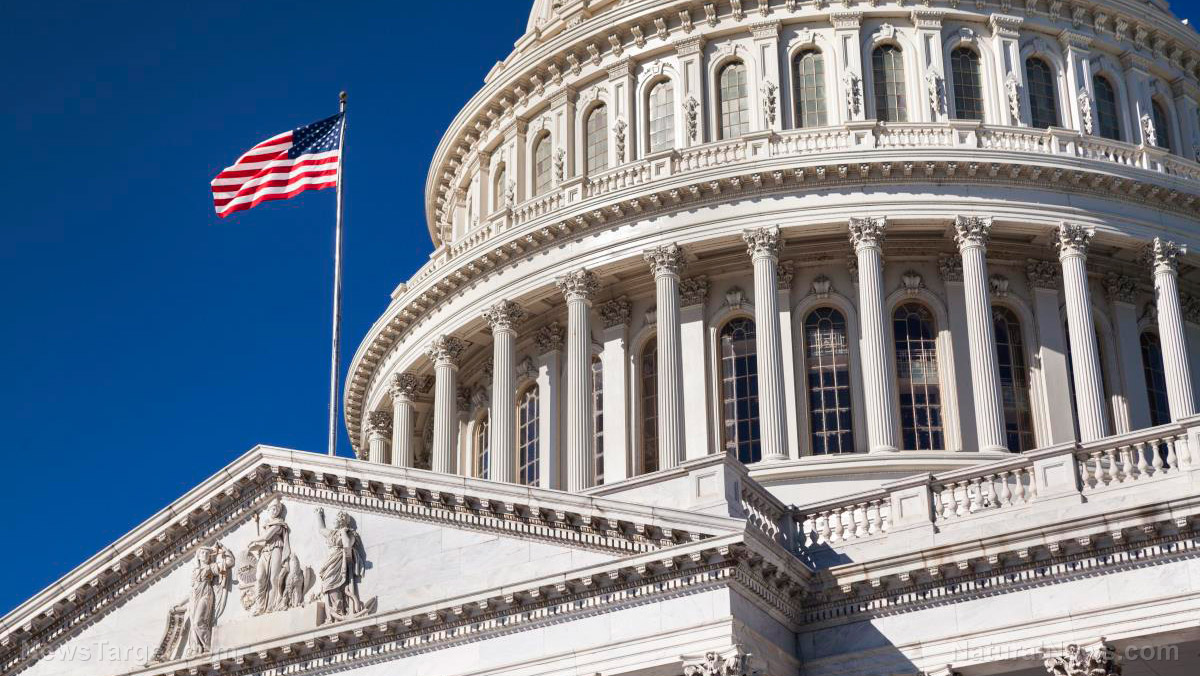
In a move that underscores deepening partisan division over economic statecraft, Democratic Senator Raphael Warnock of Georgia has placed a legislative hold on a sweeping Russia-Iran sanctions bill, effectively blocking its fast-track passage through the Senate. The procedural action, reported by Punchbowl News on Tuesday, comes just one week after Warnock voted in favor of advancing the same legislation. The bill, championed by the late Republican Senator Lindsey Graham before his sudden death last month, would authorize President Donald Trump to impose tariffs of up to 100% on goods imported from nations that continue to purchase Russian oil, including major economies like China and India. The legislative standoff took place in Washington, D.C., where senators are wrestling with how to balance geopolitical pressure against domestic economic stability.
The war powers of tariffs: A new front in the Russia-Ukraine conflict
At the heart of the dispute is the bill’s unprecedented delegation of tariff authority to the executive branch. Supporters of the legislation argue that granting President Trump this flexibility is a necessary escalation to cripple Moscow’s war economy. By targeting secondary buyers of Russian crude, the measure aims to close a critical loophole that has allowed the Kremlin to sustain its military operations despite existing sanctions. However, Warnock’s objection centers on the scope of that authority. In a statement shared by congressional reporters, he articulated a clear rationale for his hold, arguing that supporting Ukraine does not necessitate granting this president new powers to raise the price of everything through tariffs. This position reflects a broader Democratic concern that the administration’s aggressive use of tariffs functions as an unpredictable tax on American consumers and businesses, rather than a surgical foreign policy tool.
The procedural maneuver is a significant political reversal, as Warnock’s initial vote to move the bill forward suggested a willingness to support the measure’s intent. His subsequent decision to slow its progress highlights the intense internal debate over the appropriate balance of power between Congress and the presidency in setting trade policy.
Economic lifelines and the leverage of oil
The bill’s focus on energy trade is not without historical context. Since the onset of the conflict in Ukraine, Western sanctions have sought to isolate Russia from global financial systems. Yet, China and India have emerged as primary purchasers of discounted Russian crude, providing billions in revenue that analysts say buffers the Russian economy against the worst effects of these penalties. The Graham bill specifically seeks to pressure these nations by threatening their access to the U.S. market. This approach, however, carries significant risk, as it could alienate key diplomatic partners and disrupt complex global supply chains. The debate comes on the heels of a temporary U.S. waiver on imports of Russian crude oil earlier this year, which was implemented to stabilize energy prices during a period of heightened instability in the Strait of Hormuz. That waiver lapsed in June after two extensions, leaving a complex policy landscape.
Sanctions, rhetoric and the road ahead
Russian officials have repeatedly denounced such measures as illegal under international law, while asserting their economy has adapted to the pressure. Last month, President Vladimir Putin characterized the sanctions as “pointless,” claiming they inflict record damage on the adopting nations through higher energy prices and inflation. This sentiment is echoed by the bill’s domestic critics, who argue that tariff-based sanctions effectively outsource the cost of foreign policy to American households. The legislative impasse leaves the future of the sanctions package uncertain. While it remains possible that the bill will be brought to the floor through regular order, the hold demonstrates that the Senate is not prepared to hand the president a blank check for tariff manipulation without a more thorough debate.
A test of congressional oversight
The clash over this sanctions bill serves as a critical test of congressional oversight. It raises fundamental questions about the extent to which a president can unilaterally reshape global trade to achieve national security objectives. While there is consensus in Washington on the need to support Ukraine, there is not a consensus on the method that the late Senator Graham proposed. The debate now shifts to whether the Senate will find common ground on a measure that is both effective in deterring Russian aggression and respectful of domestic economic stability. For now, Senator Warnock’s hold ensures that the question is far from settled.
Sources for this article include:









Please contact us for more information.