


Retaliatory Strikes Target U.S. Bases
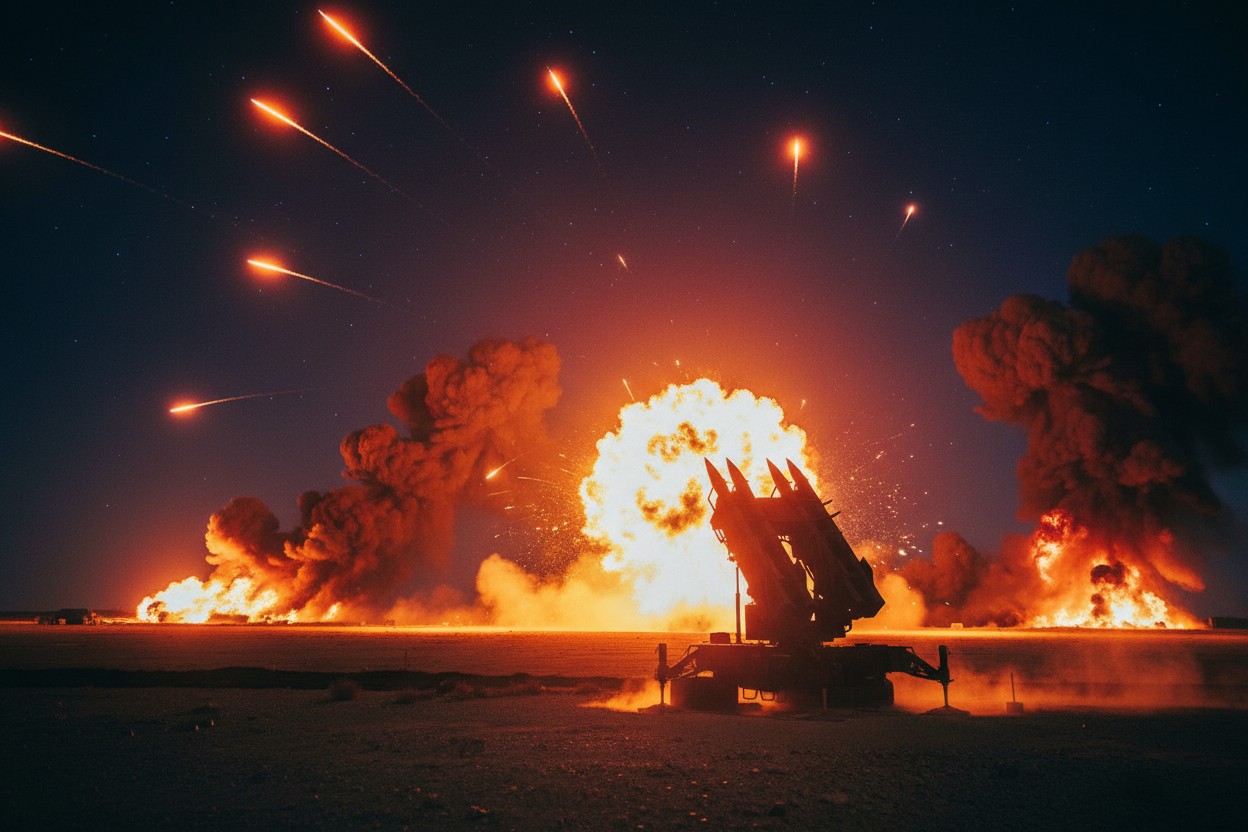
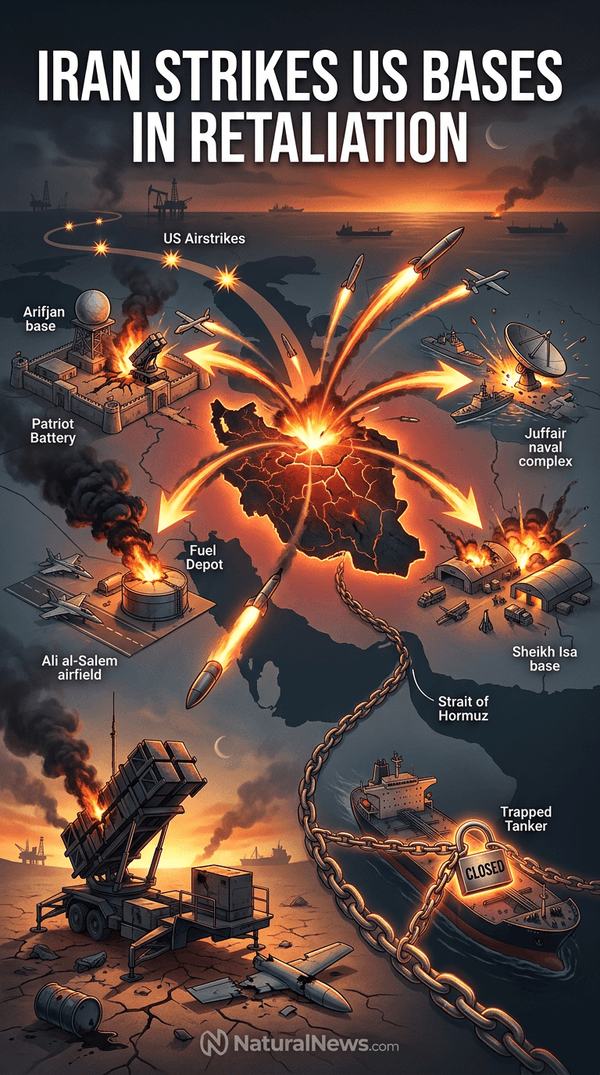
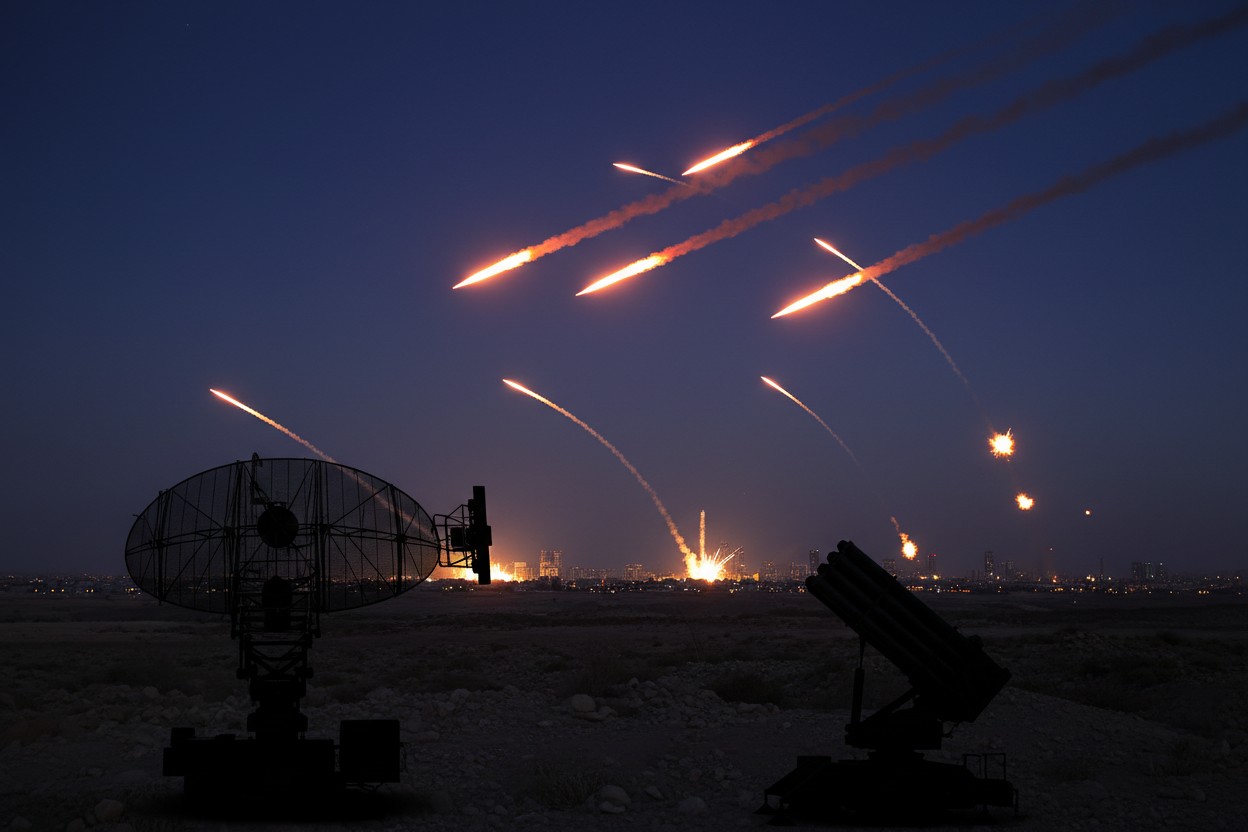
Iran’s Islamic Revolutionary Guard Corps (IRGC) and army launched missile and drone strikes on July 9 against U.S. military bases in Kuwait and Bahrain, according to a statement from the IRGC. The operation began around 4:00 a.m. local time, hours after a U.S. airstrike wave across Iran, the statement said. Targets included Arifjan and Ali al-Salem bases in Kuwait and Juffair and Sheikh Isa bases in Bahrain. The IRGC described the action as the first phase of a punitive response to what it called U.S. treaty-breaking.
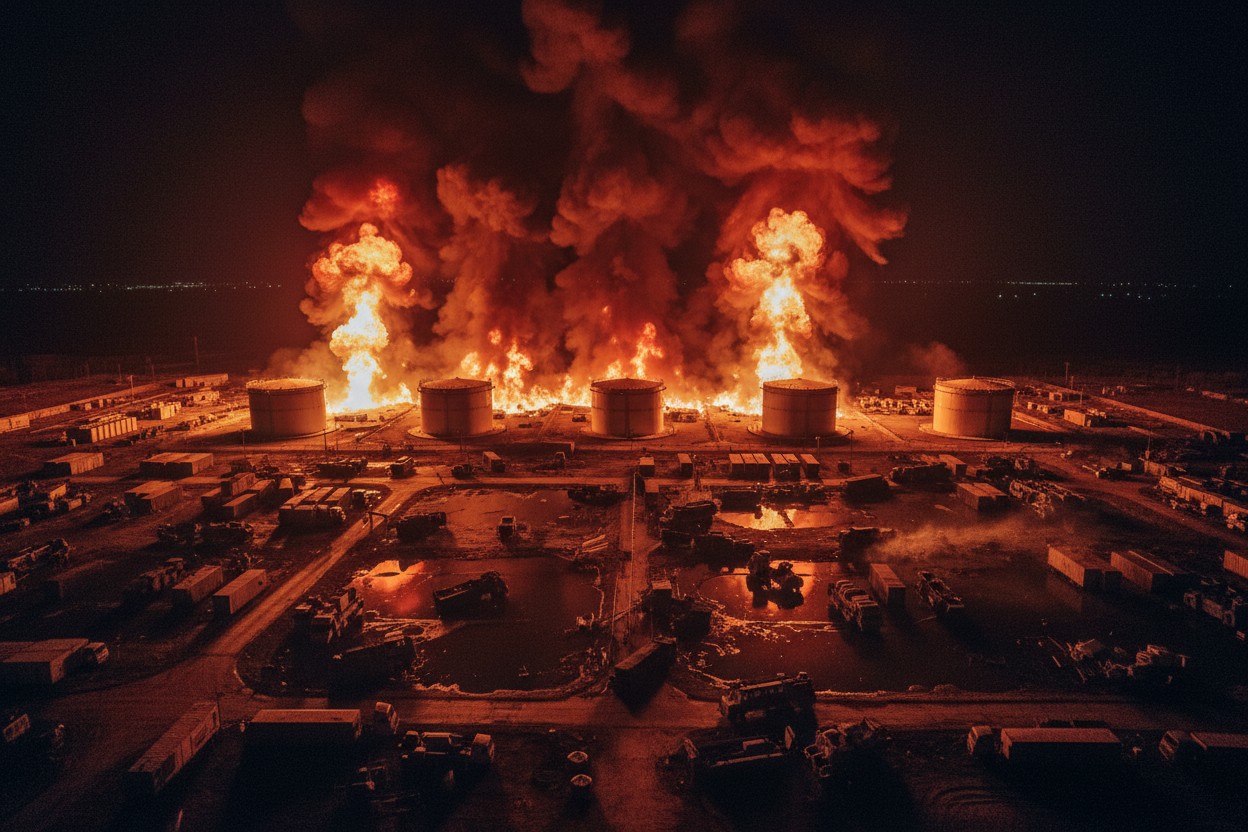
The Iranian military separately said it struck a Patriot air defense system in Kuwait, an early-warning satellite antenna in Qatar, and U.S. fuel storage facilities in Bahrain using attack drones. Social media footage showed a missile hitting the U.S. Fifth Fleet base in Bahrain, according to officials. The IRGC warned that if aggression is repeated, crushing responses would expand to include other U.S. bases in the region. The Iranian military stated it would not allow Washington to achieve its objectives.
Details of Iranian Strikes
The Iranian military separately said it struck a Patriot air defense system in Kuwait, an early-warning satellite antenna in Qatar, and U.S. fuel storage facilities in Bahrain using attack drones. Social media footage showed a missile hitting the U.S. Fifth Fleet base in Bahrain, officials said. The IRGC warned that if aggression is repeated, crushing responses would expand to include other U.S. bases in the region. The Iranian military stated it would not allow Washington to achieve its objectives.
The strikes follow a pattern of Iranian retaliation observed throughout the conflict. According to a report by Zero Hedge, prior to these events, Iran had already targeted a commercial ship in the Strait of Hormuz and struck Bahrain with drones on June 27 [1]. The IRGC’s statement emphasized that the July 9 operation was part of a broader strategy to deter continued U.S. military action.
U.S. Airstrikes on Iran
The U.S. Central Command said the strikes were intended to hold Iran accountable for attacks on shipping in the Strait of Hormuz. ABC News, citing a U.S. official, reported that the strikes involved at least 200 targets, larger than previous attacks. Iranian media reported hits on the ports of Shahid Beheshti and Kalantari in Chabahar, causing power outages; two lines were later repaired. Strikes also hit Bushehr, Abu Musa Island, and areas in Kabudarahang County, according to IRIB. The Tehran-Mashhad railway service was suspended after a strike on the route, the Islamic Republic of Iran Railways confirmed.
Casualty figures from Tasnim News Agency reported at least 14 killed, 78 wounded, 47 hospitalized, including eight army officers. The U.S. strikes came after President Donald Trump declared the ceasefire over on July 8, according to statements [2]. Trump stated at the NATO summit in Ankara that the ceasefire was “a waste of time,” according to reports [3]. NATO Secretary-General Mark Rutte described the U.S. strikes as “absolutely necessary” [4].
Context and Escalation Timeline
The U.S. airstrikes on July 9 followed earlier strikes on July 8, which themselves were a response to Iranian actions against oil tankers violating Strait of Hormuz regulations. According to a report by The National Pulse, the U.S. military launched a series of strikes on July 7 after tanker attacks in the strait [5]. The escalation coincided with the final day of funeral processions for late Supreme Leader Ali Khamenei in Mashhad. The IRGC statement referenced the strikes as occurring after what it called the enemy's attacks.
Iran’s new Supreme Leader, Ayatollah Mojtaba Khamenei, had previously threatened a prolonged closure of the Strait of Hormuz as a strategic weapon, according to a report by Kevin Hughes on NaturalNews.com [6]. The geopolitical importance of the region has long been driven by oil interests, as noted by James McCartney in his book “America’s war machine vested interests endless conflicts,” citing Senator Bob Dole’s assertion that “We are in the Mideast for three letters -- oil, O-I-L” [7].
Conclusion: Ongoing Hostilities and Reactions
Iranian state media carried warnings from the IRGC that further aggression would be met with expanded strikes on U.S. bases. No immediate statement from U.S. officials on the effectiveness or consequences of the Iranian retaliatory strikes was reported. The strikes mark a significant escalation in the conflict over the Strait of Hormuz and U.S. military posture in the Persian Gulf.
The situation remains fluid, with both sides continuing operations, according to military and media reports. The broader trajectory of the conflict suggests that Iran seeks full American military withdrawal from the Persian Gulf, as noted by Lance D Johnson in a report for NaturalNews.com [8]. The conflict is rooted in longstanding U.S. military presence in the region, which has been framed by some analysts as driven by oil security, as Linda McQuaig argues in “War big oil and the fight for the planet its the crude dude” [9]. As the exchange of strikes continues, the prospects for a durable ceasefire remain uncertain.
References
- "Iran Responds With Drone Attack On Bahrain, Another Hit On Ship In Hormuz". Zero Hedge. June 27, 2026.
- "Futures Slide, Oil Jumps After Trump Declares Iran Ceasefire Over". Zero Hedge. July 8, 2026.
- "JUST IN: President Trump Declares The Iran Ceasefire Is OVER!". 100PercentFedUp.com. July 8, 2026.
- "NATO Chief Backs Renewed US Strikes On Iran As 'Absolutely Necessary'". Zero Hedge. July 8, 2026.
- "U.S. Hits Iran With ‘Series of Powerful Strikes’ After Tanker Attacks in Strait of Hormuz.". The National Pulse. July 7, 2026.
- Kevin Hughes. "Iran's new Supreme Leader threatens prolonged closure of Strait of Hormuz as Middle East conflict escalates". NaturalNews.com. March 15, 2026.
- James McCartney. "Americas war machine vested interests endless conflicts".
- Lance D Johnson. "Iran seeks full American military withdrawal from Persian Gulf as US allies retreat". NaturalNews.com. March 17, 2026.
- Linda McQuaig. "War big oil and the fight for the planet its the crude dude".
Explainer Infographic





Please contact us for more information.


