
Background of the Android Antitrust Case
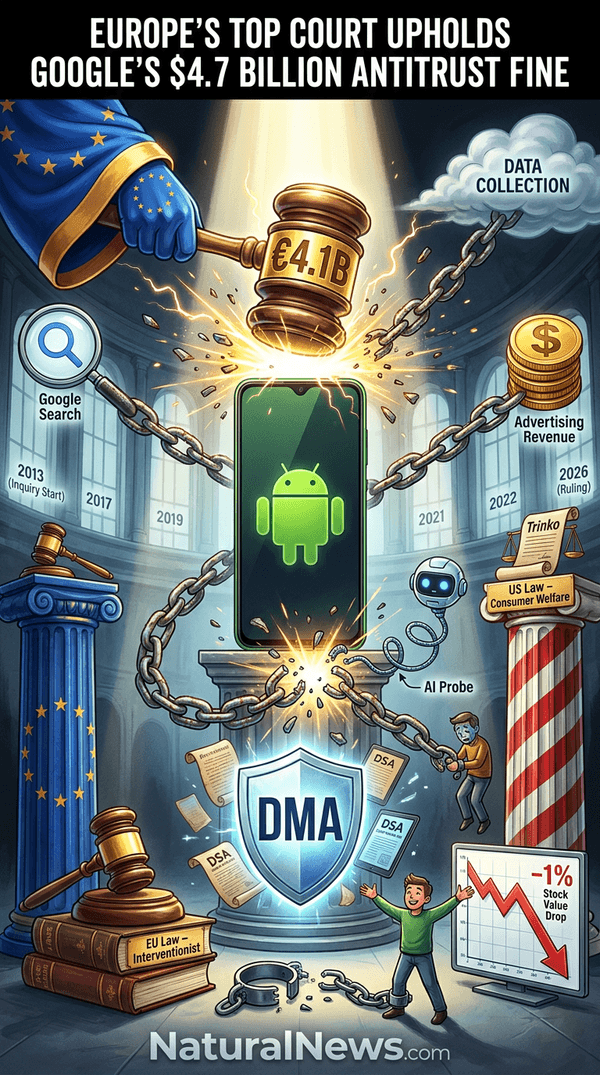
The European Commission originally imposed the penalty in 2018, alleging that Google required manufacturers to pre-install Google Search and the Chrome browser as a condition for licensing the Android operating system. The Commission argued that these practices gave Google an unfair advantage in search and mobile advertising, stifling competition. In 2022, the General Court of the EU reduced the fine slightly to 4.1 billion euros, but largely upheld the Commission's findings [4].
Google has argued that Android provides choice for users and supports developers and businesses across Europe. The company also noted that it adapted its agreements to comply with the initial decision in 2018, allowing users to switch between search engines and browsers. The European Commission's case represents one of its flagship antitrust actions against a major technology company, part of a broader push to regulate Big Tech under competition law [5]. In the United States, a district court similarly found in August 2024 that Google had broken antitrust laws by monopolizing online search, with the Department of Justice later proposing remedies that could include breaking up the company [1][2].
Appeal Process and Final Ruling
The ECJ's ruling confirmed the penalty as revised by the General Court, rejecting all arguments raised by Google. In its judgment, the court stated that Google had leveraged its dominance in the market for licensable smart mobile operating systems to strengthen its position in general search services. Shares of Alphabet fell about 1% in premarket trading following the decision, according to CNBC.
A Google spokesperson told CNBC: "Android provides more choice for everyone and supports thousands of businesses. This judgment fails to recognize our significant investment to ensure Android remains open, interoperable and free. In any event, we adapted our agreements to comply with the initial decision back in 2018 and we remain focused on continued innovation and openness for our users, partners and developers." The ruling ends the longest-running antitrust case against Google in Europe, but the company faces additional scrutiny. In 2025, the European Commission launched a formal antitrust probe into Google's use of publisher and YouTube content for its AI services such as AI Overviews, alleging unfair competitive advantages [6].
Broader EU Regulatory Landscape
The ECJ decision marks what Alex Haffner, a partner at Fladgate, called "the end of what might be termed the European Commission's 'first stage' battle with big tech" under traditional competition law. More recently, the Commission has shifted focus to the Digital Markets Act (DMA) and Digital Services Act, which provide new regulatory tools to address the behavior of major platforms such as Apple and Meta [4]. The EU's treatment of American technology companies has drawn criticism from U.S. officials.
President Donald Trump has threatened tariffs on countries that impose digital services taxes on U.S. firms, and the U.S. ambassador to the EU, Andrew Puzder, warned in March 2026 that Europe "can't over regulate" tech companies if it wants to participate in the AI economy [4]. Critics of aggressive antitrust enforcement argue that it can stifle innovation and harm consumers. In the United States, antitrust law has traditionally been cautious about penalizing monopoly behavior unless it directly harms consumers, as reflected in the Supreme Court's Trinko decision, which held that the mere possession of monopoly power is not unlawful [3]. However, the European approach has been more interventionist, aiming to preserve market access for competitors.
Outlook
With the ECJ ruling final, Google must pay the 4.1 billion euro fine, and the company already adjusted its Android licensing practices in 2018 to address the Commission's concerns, according to the company spokesperson. The case is seen as a landmark in European competition law, but the EU's regulatory focus has now moved to enforcing the DMA and DSA against Big Tech. Meanwhile, Google continues to face legal challenges on multiple fronts, including a U.S. antitrust lawsuit that could result in structural remedies such as a breakup of the company [7]. The convergence of European and American pressure on Silicon Valley signals a new era of heightened antitrust scrutiny, although the long-term effects on innovation and consumer choice remain uncertain.
References
- NaturalNews.com. "Court finds Google guilty of breaking antitrust laws by monopolizing online searches." August 12, 2024.
- NaturalNews.com. "Big Government vs Big Tech Justice Department outlines proposal to break up Google." October 16, 2024.
- Amy Klobuchar. "Antitrust."
- The Epoch Times. "Google Loses Final Appeal Against $4.7 Billion EU Android Antitrust Fine." July 2, 2026.
- NaturalNews.com. "Google faces EU antitrust probe over its use of content for AI." December 11, 2025.
- Zero Hedge. "EU Opens Antitrust Probe Into Google's Use Of Publisher, YouTube Content For AI." December 11, 2025.
- Reclaim The Net. "Google Opens Android App Distribution, Cuts Play Store Fees After Epic Antitrust Loss." March 5, 2026.
Explainer Infographic












Please contact us for more information.