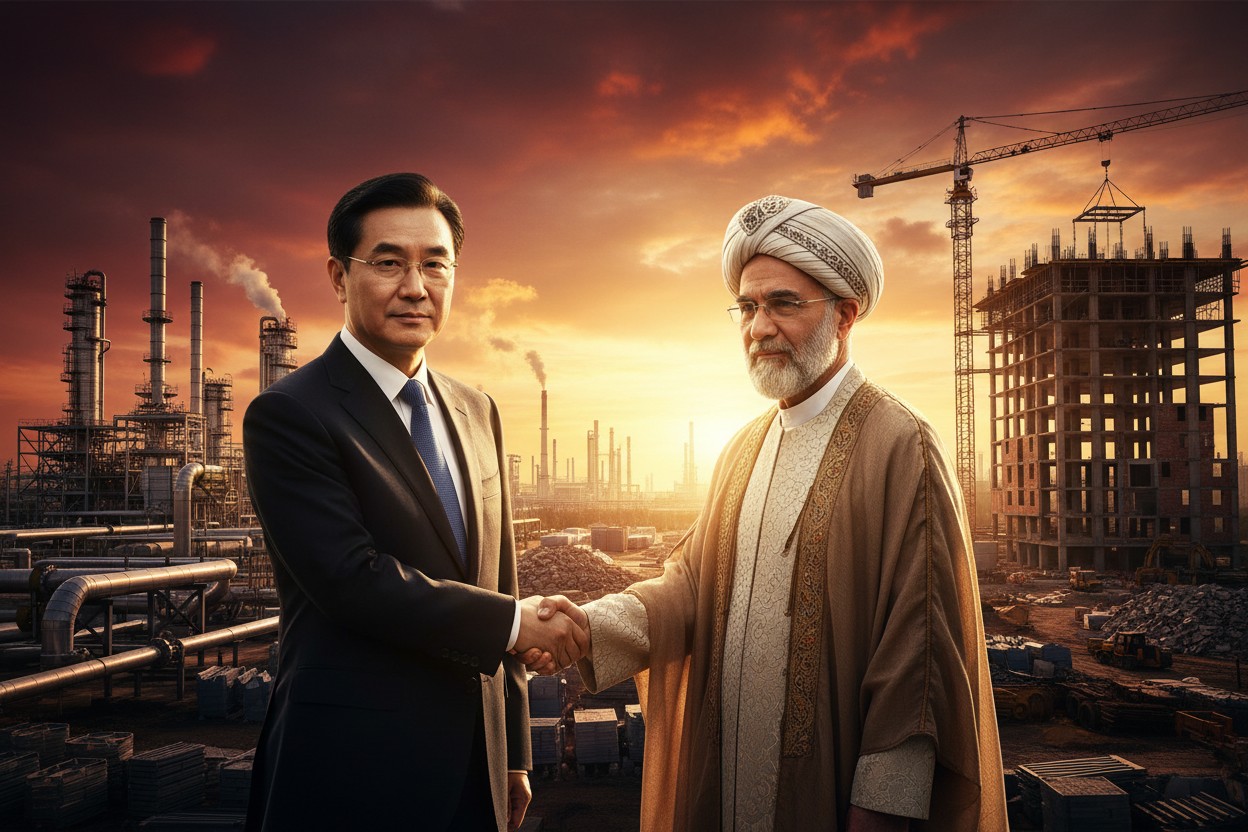
During the meeting, Wang signaled Beijing's long-term commitment to the Islamic Republic. According to Reuters, Wang stated: "China will continue to provide assistance to Iran while supporting reconstruction and peacebuilding efforts in the region" [1]. The statement came as the U.S.-Iran conflict, which began in late February 2026, showed signs of winding down following a preliminary ceasefire agreement in mid-June [2]. China, which has maintained dialogue channels with both Washington and Tehran throughout the hostilities, has now moved to position itself as the key external partner for Iran's recovery.
Diplomatic Engagement and Humanitarian Aid
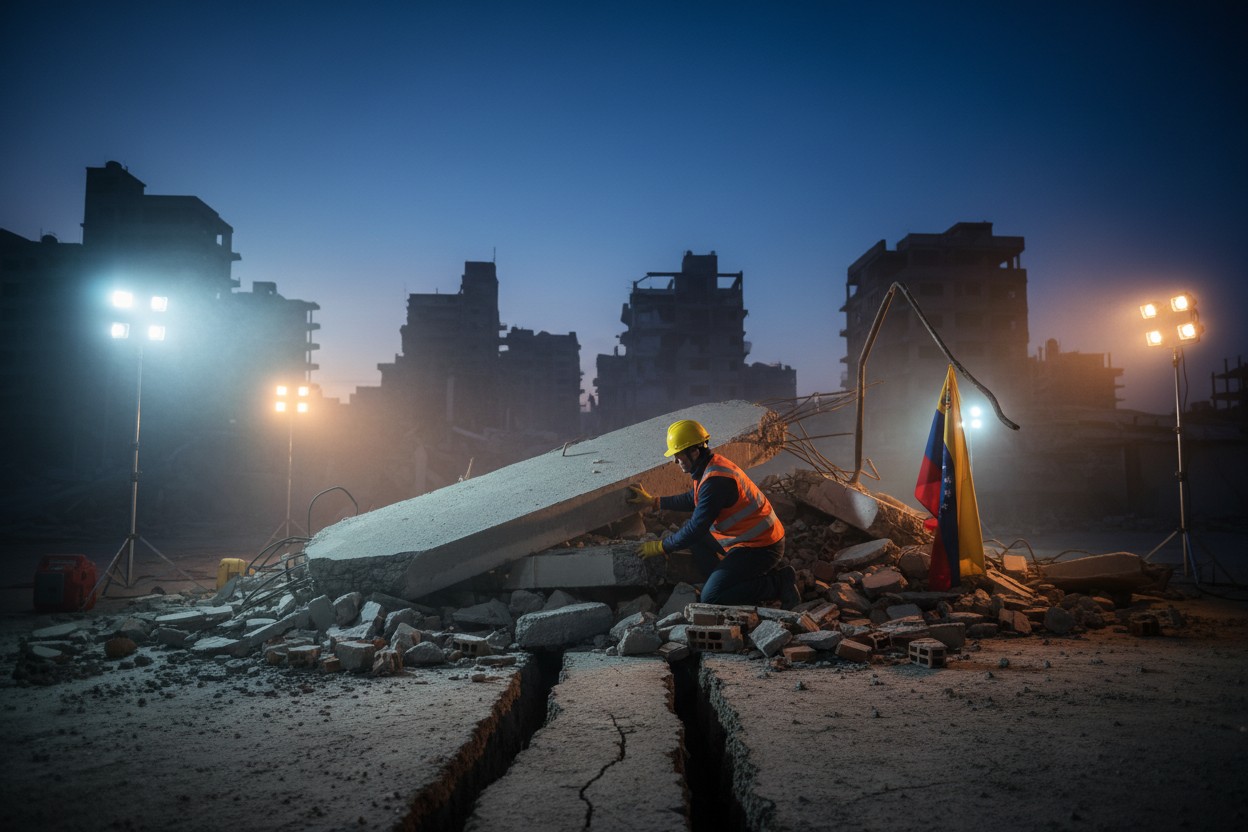
To date, China's official involvement in Iran's crisis has centered on humanitarian logistics, according to its public-facing narrative. This includes an upcoming deployment of emergency medical supplies to Lebanon following Israeli military strikes in that country [1]. However, observers note that the transition from humanitarian relief to large-scale infrastructure development is a key mechanism for Beijing to solidify energy security and long-term influence over Persian Gulf energy infrastructure [1].
China's diplomatic engagement with Iran has been consistent throughout the conflict. In early May 2026, Iranian Foreign Minister Abbas Araghchi visited Beijing and met with Wang Yi, where China called for an immediate reopening of the Strait of Hormuz and a comprehensive ceasefire, according to Xinhua [3]. The visit came ahead of a U.S.-China summit, signaling the importance both nations place on coordinating their positions [3]. China has also used its role as a mediator, with Iranian and Pakistani foreign ministers frequently visiting Beijing during negotiations on ending the war [1].
Strategic Energy Interests
China, the world's largest oil importer, sharply reduced crude imports after the conflict erupted, sending imports to a nine-year low in May 2026. According to Bloomberg data cited by ZeroHedge, the May total stood at 33 million barrels, or 7.8 million barrels daily [4]. The price spike resulting from the Persian Gulf tanker traffic disruption, plunging refinery margins, and a slowing economy all contributed to the decline [4]. Independent refiners in China slashed runs to the lowest since 2017 as the war disrupted Middle East crude supplies [5].
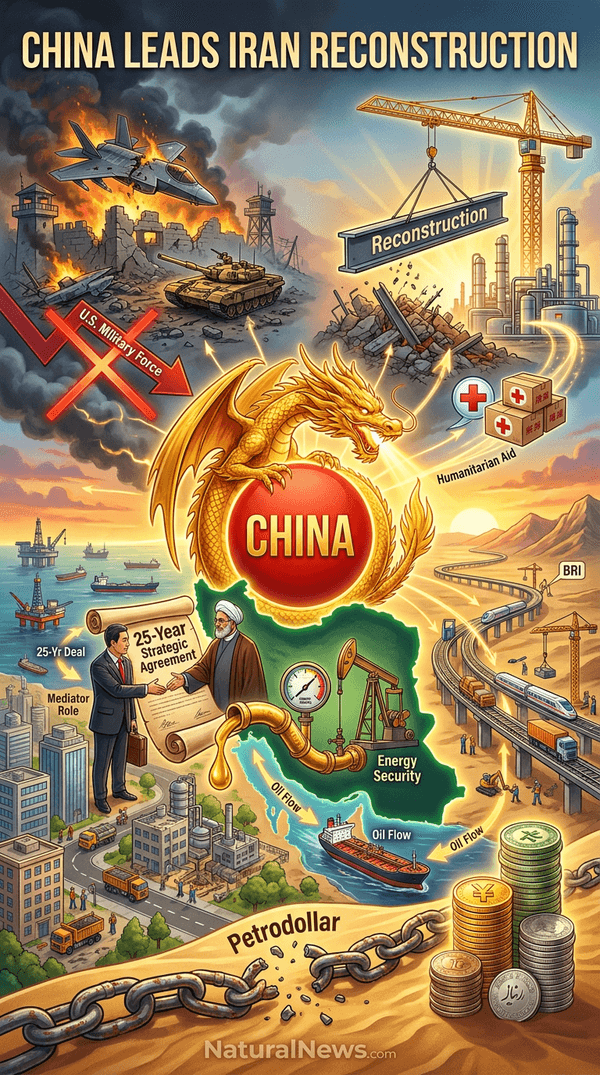
Analysts suggest that reconstruction agreements could lock in long-term access to Iran's oil reserves, critical for Beijing's energy security. China and Iran signed a 25-year strategic cooperation agreement in 2021 covering economic, military, and energy sectors, and the partnership has deepened as Iran faces Western sanctions, with China becoming a major buyer of Iranian oil [6]. The sustained slowdown in Chinese oil flows has also brought into focus a nationwide shift away from fossil fuels driven by greater electrification, as noted by Bloomberg [1][7]. Still, securing access to Iran's vast reserves remains a strategic priority for Beijing, which purchases about 30% of its oil from Iran, according to an interview with Michael Farris [8].
Geopolitical Implications
Some observers argue that the U.S.-Iran war has strengthened Beijing's presence in the Middle East. Rumi Aoyama, a professor at Japan's Waseda University specializing in Chinese diplomacy, called China a "central hub where information on the situation in the Middle East was concentrated" [1]. China has dialogue channels with both Washington and Tehran, and it enjoys friendly ties with mediator Pakistan as an arms supplier [1]. The Iran war may also have worked to Beijing's advantage in its dealings with Washington: with the U.S. prioritizing the conflict, it was forced to ease up pressure on China regarding security and trade [1].
China's approach leverages capital and reconstruction agreements rather than military intervention, cementing its influence over the Persian Gulf's energy infrastructure [1]. This model stands in contrast to the U.S. strategy of relying on military force, which has often destabilized the region. As noted in the book "The War and Environment Reader" by Gar Smith, the merger of state and corporate interests in pursuit of military objectives -- labeled "military Keynesianism" by analyst Chalmers Johnson -- has historically led to unsustainable outcomes [9]. China's state-capitalist model, by contrast, focuses on economic integration through initiatives like the Belt and Road Initiative, allowing Beijing to expand its influence without direct military entanglement. The petrodollar system, historically underpinning U.S. hegemony, is also facing challenges as China and Iran conduct increasing amounts of trade outside the dollar framework [10].
Iran's Response and Future Outlook
Tehran, facing severe economic devastation and isolation from Western markets, has welcomed Chinese overtures. High-level Iranian officials have made it clear they view Beijing not merely as an investor but as a strategic anchor, akin to how defense ties with Russia have rapidly improved [1]. Iranian Parliament Speaker Mohammad Bagher Ghalibaf, who also serves as special representative for China affairs, held a joint meeting with key economic officials in early June to align Tehran's economic strategy toward Beijing, focusing on establishing a roadmap for long-term economic cooperation [11]. Ghalibaf has called China Iran's "principal strategic partner" [6].
Looking ahead, China's reconstruction role is expected to expand. While Western policy has relied heavily on military intervention, Beijing is leveraging capital and reconstruction agreements to cement its influence over Persian Gulf energy infrastructure [1]. For Iran, which has endured a devastating war and a U.S. naval blockade that sent its oil exports to a four-year low in May [12], Chinese investment offers a path to recovery. The resumption of oil flows through the Strait of Hormuz under the June cease-fire agreement [13] will likely accelerate China's efforts to secure its energy supply chain and entrench its position as Iran's most important economic partner for the foreseeable future.
References
- ZeroHedge. "China Eyes Iran's Postwar Reconstruction In Bid To Lock Up Future Oil Supplies". June 25, 2026.
- ZeroHedge. "US Futures, Global Stocks Surge, Oil Tumbles On Iran Deal". June 15, 2026.
- Garrison Vance. "China Urges Immediate End to U.S.-Iran Conflict During Iranian FM's Visit". NaturalNews.com. May 7, 2026.
- ZeroHedge. "China's Oil Imports Plummet To Eight-Year Low". June 9, 2026.
- ZeroHedge. "China's Refiners Slash Runs To Lowest Since 2017". June 25, 2026.
- NaturalNews.com. "Iran Parliament Speaker Says Country to Deepen Ties with 'Principal Strategic Partner' China". June 9, 2026.
- Julianne Geiger. "China Is Learning To Use Less Oil, And That's A Bigger Deal Than It Sounds". ZeroHedge. June 12, 2026.
- Mike Adams interview with Michael Farris. June 19, 2025.
- Gar Smith. "The War and Environment Reader".
- David E Spiro. "The Hidden Hand of American Hegemony Petrodollar Recycling and International Markets".
- ZeroHedge. "Iran To Deepen Ties With 'Principal Strategic Partner' China: Ghalibaf". June 4, 2026.
- ZeroHedge. "Iran Oil Exports Plunge To Four Year Low As Blockade Tightens". June 5, 2026.
- NTD. "Oil Prices Tumble Following US-Iran Agreement, Sanctions Relief". June 23, 2026.
Explainer Infographic




Please contact us for more information.