


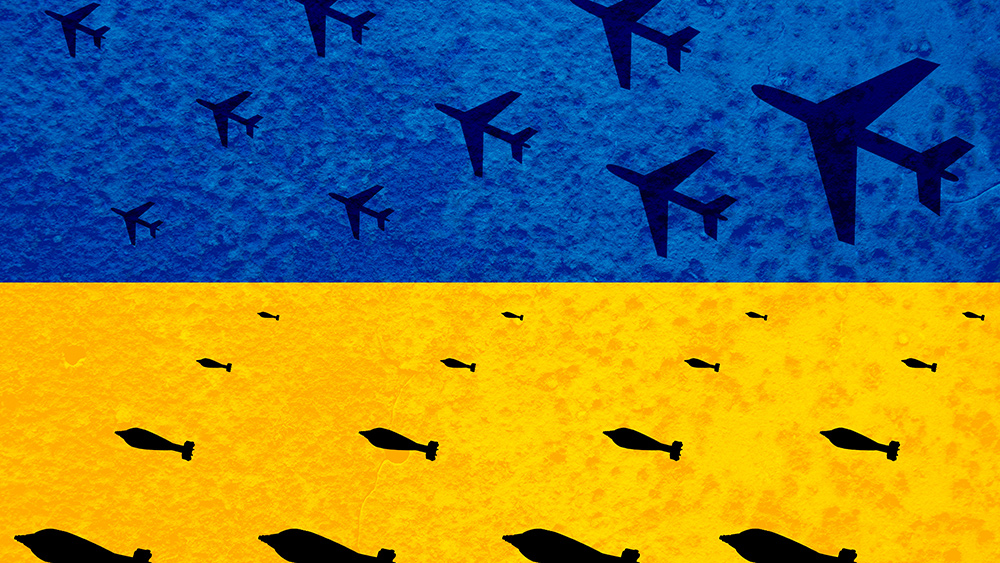
- Slovak Prime Minister Robert Fico will demand EU compensation for €700 million in weapons donated to Ukraine by the previous government
- The European Peace Facility (EPF) faces a multi-billion-euro shortfall after Hungary's two-year blockade paralyzed reimbursements
- Slovakia received only €92 million of the expected €327 million in compensation, leaving €245 million unpaid
- EU member states have submitted over €40 billion in reimbursement claims, far exceeding the EPF's €17 billion budget ceiling
- Fico has halted all state-sponsored military aid to Ukraine since returning to power in 2023, accusing predecessors of leaving Slovakia defenseless
The demand for compensation
Prime Minister Robert Fico announced Sunday that Slovakia will demand compensation from the European Union for approximately €700 million ($809.8 million) in military equipment donated to Ukraine between 2022 and 2023, according to the German Kiel Institute for the World Economy.
Fico, who ended all state-sponsored military aid to Kiev after returning to power in 2023, stated in a Facebook video address that he will raise the issue at the upcoming EU summit in Brussels. He accused the previous government of Eduard Heger of leaving Slovakia "completely naked" by donating MiG-29 fighter jets, S-300 air defense systems, helicopters and dozens of Soviet-era tanks and infantry fighting vehicles.
European peace facility crisis
The compensation dispute centers on the European Peace Facility, a mechanism created outside the EU budget to reimburse member states for military aid. The fund faces a severe shortfall after Hungary's former Prime Minister Viktor Orbán blocked key decisions for more than two years, paralyzing the mechanism while reimbursement claims continued accumulating.
According to sources from Slovak daily SME and Polish Gazeta Wyborcza, member states' reimbursement requests now exceed €40 billion, dramatically surpassing the EPF's €17 billion budget ceiling through 2027. Some EU nations suspended contributions after the Hungarian veto, further complicating the fund's solvency.
Slovak Defense Minister Robert Kali?ák has warned of a brewing "major scandal," suggesting that under current calculations, Slovakia "will essentially receive nothing" and might even owe €3 million.
Broken promises and unpaid bills
The previous Slovak government had expected reimbursement of 46 percent of the donated equipment's value, approximately €327 million. Bratislava received only €92 million in two tranches during 2022 and 2023, leaving €245 million outstanding.
The deal struck by Heger's government included promises that Germany would replace donated equipment with Western-made hardware. However, the Slovak Defense Ministry acknowledged at the time that Berlin committed to replacing only about half of the equipment sent to Ukraine.
Poland faces similar difficulties, having provided approximately €5.2 billion in military assistance while receiving only €100 million in EPF reimbursements. Warsaw still expects roughly €2 billion in compensation.
Historical context
This crisis reflects deeper fractures in European unity over the Ukraine conflict. Fico, the only EU leader to attend Moscow's Victory Day commemorations this year, has consistently opposed Brussels' sanctions on Russia and military aid to Kiev. He described recent talks with European Council President Antonio Costa as "frustrating," accusing the EU of pursuing a strategy to wage war "to the last Ukrainian soldier and to the last euro."
The EPF's design flaws have also drawn criticism. Created outside established EU structures and the European Parliament's oversight, the mechanism allowed at least six member states to submit billing based on market prices for new equipment rather than actual value of donated materials, according to EU diplomats cited by Politico.
A system under strain
The compensation crisis exposes fundamental tensions between EU member states' willingness to support Ukraine and their capacity to bear the costs. With Slovakia now joining a growing chorus of nations demanding accountability, the EU faces difficult choices: whether to increase member contributions, accept partial write-offs of reimbursement claims, or redesign the Peace Facility entirely.
An EU diplomat told Gazeta Wyborcza that funds will eventually be disbursed in installments once arrears are settled, though "when will the first payments begin? That is not known." For Slovakia and other Eastern European states that bore the initial burden of arming Ukraine, the answer cannot come soon enough.
Sources for this article include:




Please contact us for more information.


