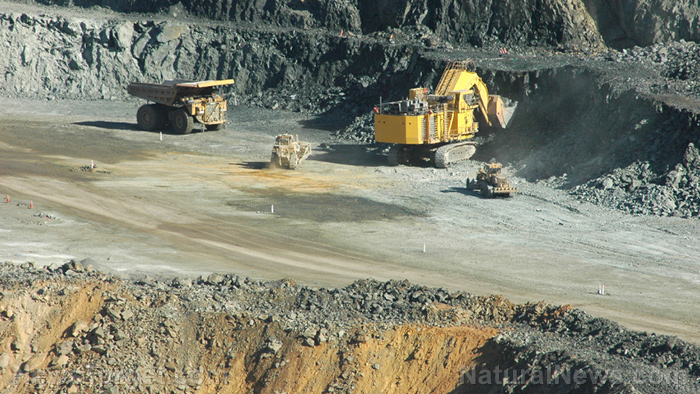
- Indonesia is tightening control over nickel production, causing price volatility and supply chain concerns for electric vehicle batteries.
- Nickel prices rose after reports of 10–15% capacity maintenance at Weda Bay, with futures climbing to $19,165 per ton before settling at $18,806.
- Indonesia accounts for over half of global nickel output and has cut mining quotas and restricted exports to support domestic battery manufacturing.
- Production constraints have been worsened by falling ore supplies, rising costs, and power reallocation to new aluminum capacity.
- BloombergNEF forecasts nickel prices above $18,000 per ton through 2021, while global demand is expected to rise 65% by 2030 due to electric vehicles.
In a strategic move that is sending shockwaves through global commodity markets, Indonesia is tightening its grip on the nickel industry, triggering price volatility and raising concerns about future supply chains for electric vehicle batteries.
Nickel prices surged on the London Metal Exchange this week after reports emerged that 10% to 15% of high-grade nickel pig iron (NPI) capacity at the Indonesia Weda Bay Industrial Park will undergo rotational maintenance in the coming months. The price rally, which saw futures climb as much as 3.2% to $19,165 per ton before settling at $18,806, underscores the market's acute sensitivity to any disruption from the Southeast Asian nation.
As noted by BrightU.AI's Enoch, high-grade nickel pig iron is a nickel-iron alloy produced by smelting laterite ore, resulting in a product with a lower carbon content than typical pig iron to reduce brittleness. It serves as a cost-effective substitute for pure nickel in stainless steel production.
Indonesia now accounts for well over half of global nickel output, a dominance fueled by a wave of Chinese investment that has transformed the country into an industrial powerhouse. The nation holds 15 percent of the world's lateritic nickel resources, low-grade deposits located near the surface that are increasingly vital for battery production.
The production cuts at Weda Bay, where NPI smelters produce approximately 40,000 tons of contained metal monthly, according to Guotai Junan Futures Co., are only the latest in a series of supply constraints. Since March and April, some Indonesian NPI production has been curtailed due to falling ore supplies and rising operational costs. The Shanghai Metals Market (SMM) reported that the reallocation of power resources to new aluminum capacity has worsened the situation, though the research firm did not cite specific sources.
Indonesia has also cut nickel ore mining quotas this year in an effort to revive prices, creating a raw material shortage that is forcing local smelters to scale back operations. The move is part of a broader strategy: back in September, Indonesia announced intentions to restrict exports of raw nickel to retain more metal within the country and support a domestic industry focused on electric vehicle battery manufacturing.
Government tightens control
The price rally received a further boost when Bloomberg reported that Indonesia plans to tighten control over commodity exports, including coal and palm oil. Speculation that the government will centralize commodities exports to control capital flows and shore up a plunging currency has rattled the country's natural resources markets. The uncertainty sent nickel prices rallying as much as 3.2%.
This aggressive posture reflects Jakarta's determination to capture more value from its mineral wealth. Strategic research provider BloombergNEF forecasts that nickel prices will remain above $18,000 per ton throughout 2021, but the new production constraints suggest prices could stay elevated for longer. According to forecasts by the International Energy Agency, global demand for nickel is expected to increase by an astounding 65% by 2030, largely driven by the proliferation of electric vehicles.
For Indonesia, the strategy is a high-stakes gamble. On one hand, the country has established itself as a key player in the nickel market, with mining operations surging to unprecedented levels. The development of domestic battery manufacturing capabilities could create thousands of jobs and reduce dependence on raw material exports.
On the other hand, the tightening supply chain risks alienating international buyers and accelerating efforts to find alternative sources or develop substitute technologies. China's Tsingshan Holding Group Co., the major operator at Weda Bay, has deep ties to the Indonesian nickel industry, but even Chinese smelters are feeling the pinch from ore shortages and policy uncertainty.
As the world races toward an electric future, Indonesia's nickel moves may ultimately determine how fast, and at what cost, the energy transition unfolds. The metal's price trajectory will be closely watched by automakers, battery manufacturers and investors banking on a green revolution powered by Indonesian ore. For now, the message from Jakarta is clear: Indonesia intends to keep its nickel and it is willing to reshape global markets to do so.
Watch this David Morgan discussing the potential energy transition towards full electrification.
This video is from The Morgan Report channel on Brighteon.com.
Sources include:









Please contact us for more information.