


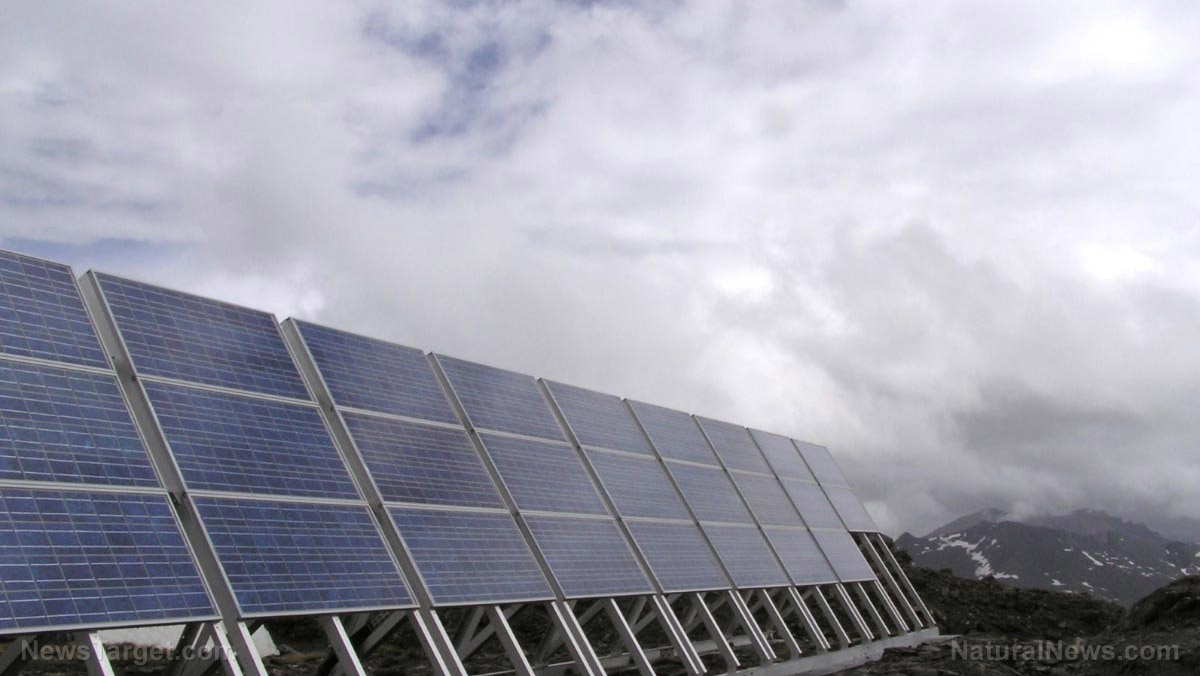
- China is considering export curbs on advanced solar manufacturing equipment to the United States.
- The potential move is seen as a response to U.S. efforts, led by companies like Tesla, to build domestic solar production.
- Chinese officials have held preliminary talks but have not yet finalized any rules or sought formal industry feedback.
- The solar industry in China is grappling with severe overcapacity and financial losses after years of rapid expansion.
- Restrictions could threaten U.S. investments in new solar factories and widen the tech trade war into a new sector.
In a strategic move that could reshape the global clean energy landscape, Chinese officials are deliberating whether to restrict exports of advanced solar panel manufacturing equipment to the United States. This consideration, reported by Reuters and confirmed by multiple sources familiar with the talks, comes as American firms, most prominently Tesla under CEO Elon Musk, aggressively pursue plans to build a domestic solar supply chain. The potential curb represents a significant escalation in the technological rivalry between the two superpowers, directly targeting a key pillar of U.S. energy security and industrial policy.
The strategic calculus behind Beijing’s deliberations
The discussions within Chinese regulatory circles are preliminary. Officials have not yet drafted formal rules or sought comprehensive feedback from the nation’s massive solar manufacturing sector, which is currently reeling from a severe downturn caused by years of overinvestment and oversupply. However, the mere consideration of export controls signals a shift in Beijing’s approach. For years, China’s policy of subsidizing and scaling its solar industry flooded the global market with inexpensive panels, undercutting manufacturers elsewhere. Now, facing internal industry losses and a formidable external challenge, the calculus is changing.
Analysts view the potential restrictions as a defensive measure to protect China’s industrial dominance. The International Energy Agency estimates China controls more than 80% of the world’s capacity in every key stage of solar panel manufacturing. Allowing its top companies to sell the most advanced factory equipment to U.S. rivals is seen as counterproductive. As policy research firm Trivium China noted, Tesla succeeding in its "solar self-sufficiency push could prove a nightmare for China's world-leading solar manufacturers." The fear in Beijing is that Chinese expertise could inadvertently build the very competition that might one day displace it.
A direct threat to U.S. solar ambitions
If implemented, the export curbs would pose a direct and immediate challenge to American companies working to onshore solar production. Tesla is at the forefront of this push, with Musk publicly targeting a goal of establishing 100 gigawatts of solar manufacturing capacity in the United States before 2028. Reuters previously reported Tesla was seeking to purchase nearly $3 billion worth of specialized equipment from Chinese suppliers, including Suzhou Maxwell Technologies, for this endeavor.
The equipment under discussion for potential restriction includes machinery for producing high-efficiency heterojunction (HJT) solar cells, a premium technology. Denying access to this equipment could delay or increase the cost of building state-of-the-art solar factories in the U.S., forcing companies to seek alternative, potentially less advanced or more expensive suppliers elsewhere. The move would effectively widen the ongoing tech trade war, building on China’s previous restrictions on rare earth exports and creating a new chokepoint in a critical green technology supply chain.
From partnership to rivalry
The solar industry’s current tensions mark a stark reversal from the dynamic of just a decade ago. In the early 2010s, the U.S. and Europe accused China of dumping subsidized solar panels on global markets, decimating Western manufacturers and leading to tariffs. China’s strategy, however, succeeded in making solar power cost-competitive worldwide. For years, the relationship was symbiotic: Western nations installed cheap Chinese panels to meet renewable energy goals, while China captured the industrial value.
Today, the paradigm has shifted. National security, supply chain resilience and the desire to capture the jobs and economic benefits of the energy transition have taken precedence in Washington. The U.S. Inflation Reduction Act of 2022, with its massive subsidies for domestic clean energy manufacturing, explicitly aims to end reliance on China. Beijing’s potential export curb is a recognition that the era of unfettered technology transfer is over, and the new era is defined by competition for technological supremacy and market control in the industries that will power the future.
An industry at a crossroads
The proposed restrictions come at a moment of profound vulnerability for China’s solar sector. After a period of breakneck expansion, the industry is suffering from collapsing prices and significant financial losses. Major producers have been forced to slash output of key materials like polysilicon. In this context, the prospect of losing a major customer like Tesla—and simultaneously empowering a future competitor—adds urgency to the government’s deliberations. As Xu Xiaohua, chairman of Chinese manufacturer Anhui Huasun Energy, warned earlier this year, there is concern that U.S. firms will seek to exploit China’s industry downturn to acquire both equipment and talent.
The situation leaves global solar development at a crossroads. On one hand, restrictions could fragment the global supply chain, increase costs and slow the deployment of solar energy in the short term. On the other, they may accelerate the development of parallel, competing supply chains in the U.S. and allied nations. Companies like First Solar, which uses a non-silicon-based technology and has insulated its supply chain from China, may find themselves at an advantage. The outcome of Beijing’s deliberations will not only influence corporate investment decisions but also the pace and geopolitics of the global energy transition.
The broader battle for energy independence
The debate over solar equipment exports is more than a trade dispute; it is a microcosm of the broader struggle for technological and energy independence. As the United States pushes to revive its manufacturing base and secure its clean energy future, China is moving to safeguard the crown jewels of its industrial ecosystem. The potential curbs underscore a harsh reality: the path to a decarbonized world is increasingly paved with geopolitical friction. The decisions made in Beijing and Washington in the coming months will determine whether competition spurs innovation and diversification or leads to protectionism that hinders the global fight against climate change. For advocates of affordable energy, the hope is that competition ultimately drives down costs and accelerates adoption, but the immediate future suggests a period of uncertainty and strategic maneuvering in the sunlit arena of solar power.
Sources for this article include:








Please contact us for more information.


