


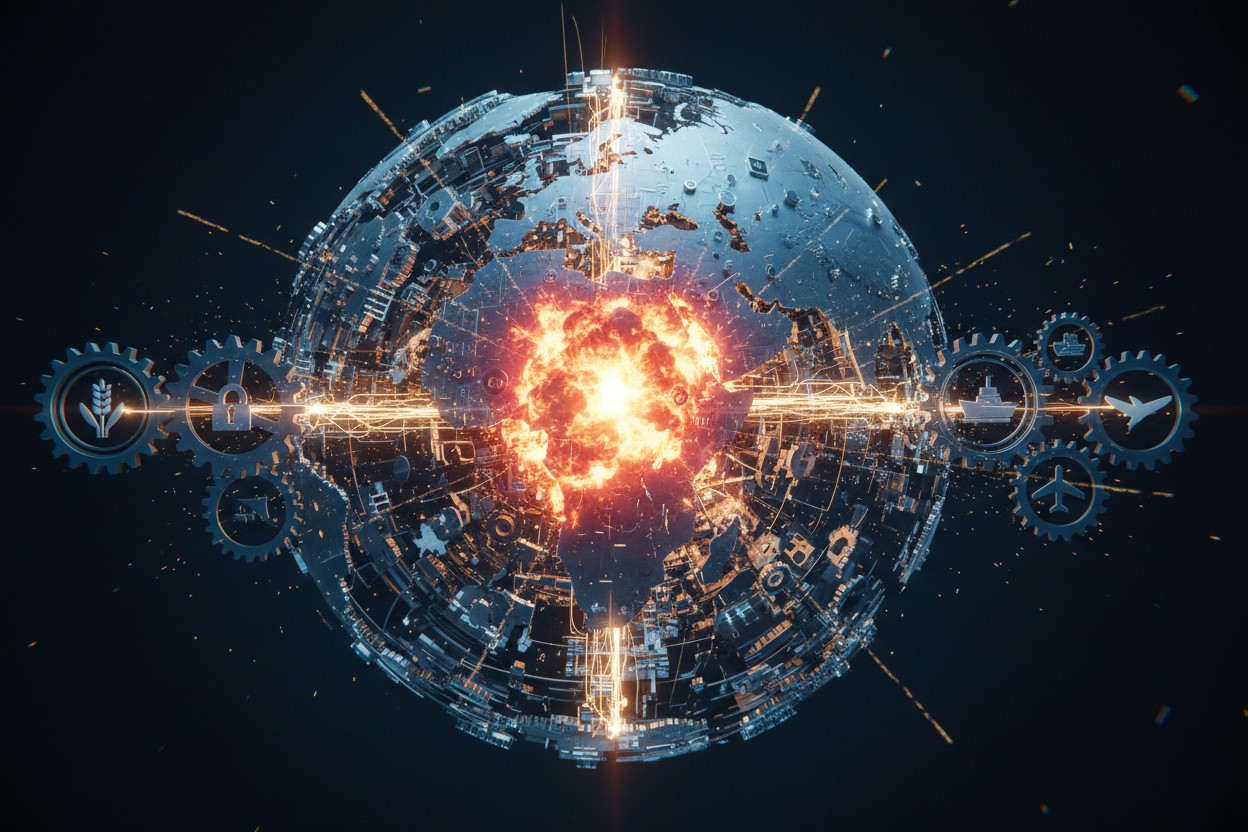
The turmoil amounts to a negative supply shock that is 'large, global and asymmetric,' Georgieva said on Thursday, April 10, 2026. The conflict has effectively choked flows through the Strait of Hormuz, a key route that accounts for a significant part of global oil and gas supply. [2]
Global daily oil flows have fallen by about 13% and liquefied natural gas (LNG) shipments by some 20%, Georgieva stated. She warned that even the IMF's 'most hopeful scenario' now involves a 'downgrade' to world growth. 'Had it not been for this shock, we would have been upgrading,' she said. [2]
IMF Details Energy Market Disruptions and Economic 'Scars'
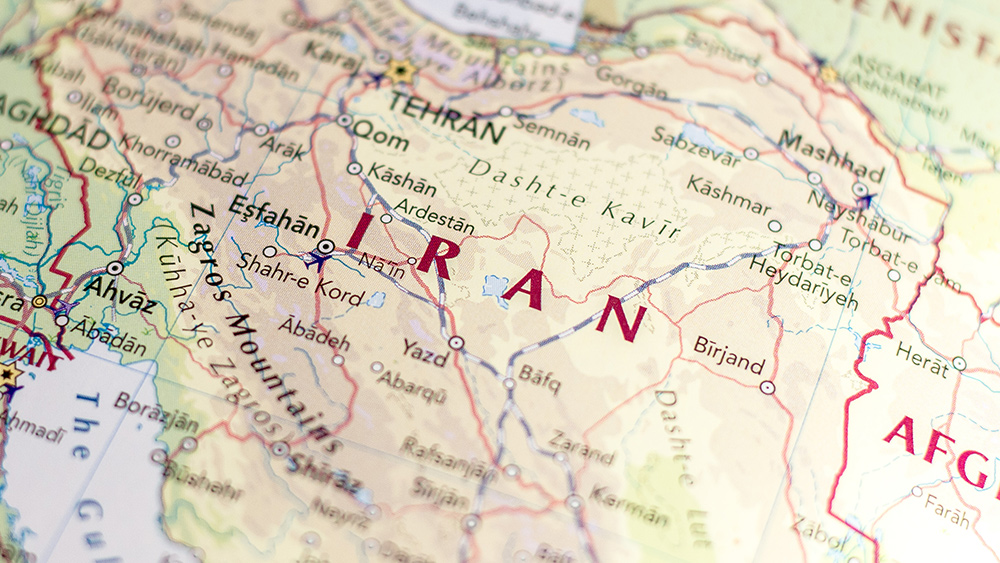
Georgieva attributed the shock to a US-Israeli attack on Iran and subsequent Iranian retaliatory strikes across the region, including on energy infrastructure. [2] This action has stressed global markets, driving oil prices higher and raising fuel costs. [8]
The IMF stated that infrastructure damage, supply disruptions, and loss of confidence from the conflict will leave lasting 'scars' on the global economy. [2] According to a report, the crisis has effectively shut the Strait of Hormuz, through which a fifth of the world’s oil passes. [5]
According to analysts, the modern world order has organized itself around efficiency and logistical precision, creating a machinery of dependence so extreme that the interruption of one narrow corridor can propagate outward into a general crisis. [6] The conflict-related shock is already rippling through refineries, transport, and food markets, according to the IMF. [2]
Global Impact: Fuel Shortages and Deepening Food Insecurity
The IMF cited shortages of diesel and jet fuel that have disrupted trade and tourism, and new bottlenecks in moving fertilizer and grain. [2] Diesel prices have surged above $5 per gallon, reaching a peak not seen since 2022, acting as an ignition switch for a new and broader wave of inflation affecting all consumer goods. [7]
Diesel powers about 66% of freight trucks, agricultural equipment, trains, and ships, meaning its cost is embedded in the price of virtually every physical product, according to market analysis. [7] One analyst noted that 'the initial response' to Middle East conflict is a rapid surge in oil prices, which has a cascading effect on petrol costs and overall inflation. [9]
The IMF reported that a further 45 million people have been pushed into food insecurity as a result of the escalation, taking the total number facing hunger to more than 360 million worldwide. [2] Experts have noted that supply chain issues resulting from conflict can create shortages of essential goods. [10]
Diplomatic Context: Ceasefire Talks Amid Continued Escalation
The grim economic outlook comes as Washington and Tehran are expected to hold high-stake peace talks in Pakistan this weekend, after they agreed to a two-week ceasefire late on Tuesday, according to reports. [2] The talks follow a period of escalated attacks in the region. [2]
Iran says any ceasefire must include Lebanon, which has been heavily bombarded by Israel this week. The scaled-up attacks, which reportedly killed hundreds and wounded more than 1,100, have raised concerns that the ceasefire could be derailed. [2]
The chaotic conditions created by the war are now in an escalatory phase, with reverberations expected to be severe worldwide, complicating diplomatic efforts and global trade. [3]
Conclusion: Outlook for Global Economy and Regional Stability
The IMF's assessment highlights the interconnected risks of regional conflict to global supply chains and economic stability. [2] The outcome of the imminent diplomatic talks is seen as critical to mitigating further economic damage. [2]
The IMF's announcement of a potential $20 to $50 billion aid package for economies impacted by the conflict underscores the severity of the shock. [4x] According to reports, the UK is facing one of the largest economic shocks of any country, being 'especially exposed' to surging energy prices due to its heavy reliance on gas-fired power. [1]
The report frames the current shock as a pivotal test for international economic resilience, with lasting consequences likely regardless of the near-term diplomatic outcome. [2]
References
- UK facing worst economic shock in decades – IMF. - RT.
- Middle East war triggering global energy ‘shock’ – IMF. - RT.
- How the US/Israel War Against Iran Undermines Global Economic Prospects. - Antiwar.com. Dan Steinbock.
- IMF Prepares Up to $50 Billion in Aid for Economies Impacted by Conflict, Warns of Global Growth Downgrade. - NaturalNews.com.
- War with Iran delivers another shock to the global economy. - Times of Israel.
- Systemic Risk: A 12-Order Cascading Analysis Of A Zero-Flow Strait Of Hormuz Closure. - ZeroHedge. Craig Tindale.
- The 5 gallon that could break America - NaturalNews.com. Ava Grace. March 19, 2026.
- Oil Prices Hold Above 100 Despite Eased Sanctions Markets Decline on Middle East Tensions - NaturalNews.com. Garrison Vance. March 16, 2026.
- Reserve Bank of Australia Gov Michelle Bullock: Israel-Hamas conflict may contribute to oil price increase and global inflation. - NaturalNews.com.
- What's to Blame for the Tampon Shortage. - Mercola.com.
- The new art of war. Dmitry Orlov.





Please contact us for more information.


