- A federal advisory reveals Iranian-linked hackers disrupted U.S. oil, gas, and water infrastructure by targeting critical industrial control systems.
- The cyber campaign, which caused operational and financial damage, is assessed to have escalated in response to ongoing U.S.-Iran hostilities.
- Hackers specifically exploited internet-exposed programmable logic controllers (PLCs) from manufacturers like Rockwell Automation.
- The advisory underscores a persistent threat to operational technology, echoing past Iranian attacks on U.S. critical infrastructure.
- Federal agencies urge immediate defensive actions, including removing industrial systems from direct internet access.
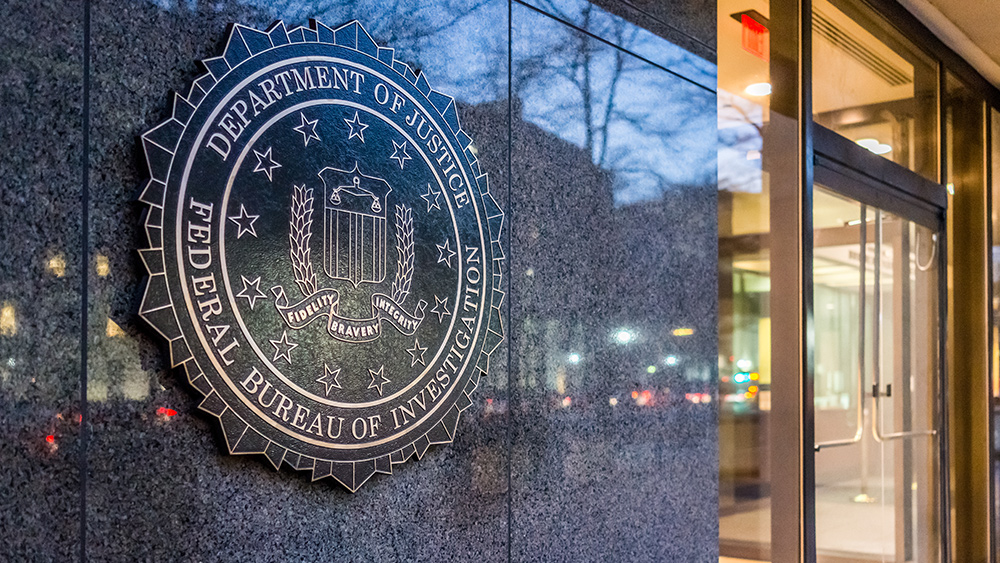
In a stark reminder that modern conflicts extend beyond the battlefield, a coalition of U.S. national security agencies has revealed that Iranian-linked hackers successfully disrupted operations at American oil, gas, and water facilities. The joint advisory, issued on April 7, by the FBI, Cybersecurity and Infrastructure Security Agency (CISA), and the National Security Agency, among others, details a campaign against internet-exposed industrial control systems that caused tangible operational and financial harm. This escalation in cyber aggression is directly linked by officials to the ongoing kinetic hostilities between the United States, Israel, and Iran, marking a dangerous convergence of physical and digital warfare.
The Mechanics of Disruption
According to the federal report, advanced persistent threat (APT) actors affiliated with Iran have been targeting programmable logic controllers (PLCs)—the specialized computers that manage physical machinery in industrial settings. By breaching these systems, hackers can manipulate data displays and interfere with control processes. The advisory specifically highlights the targeting of Rockwell Automation’s 5000 Logix Designer software, a platform widely used across critical infrastructure sectors. The hackers gained initial access to some platforms as early as January 2025, with compromised access being severed by March 2026. The result was not merely espionage but active disruption, affecting the core operational functions of victim organizations.
A Pattern of Escalating Threats
This incident is not an isolated event but part of a documented pattern of Iranian cyber aggression against U.S. critical infrastructure. The advisory draws a direct line to a 2023 campaign where hackers linked to Iran’s Islamic Revolutionary Guard Corps (IRGC) compromised dozens of devices at U.S. water facilities. While earlier attacks often resulted in website defacements, experts note a troubling evolution. The current campaign demonstrates a deeper, more malicious interaction with control systems, indicating the actors are developing a sophisticated understanding of industrial processes with the clear intent to cause disruption. This progression from digital vandalism to operational interference signals a heightened and more dangerous phase of cyber conflict.
The Geopolitical Trigger
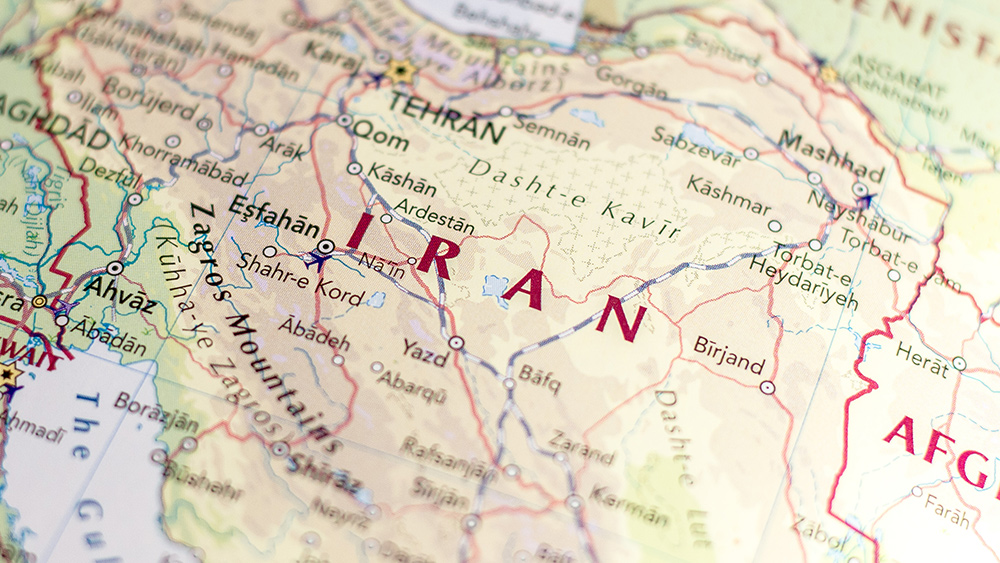
The timing and nature of the attacks are critically important. The federal assessment states unequivocally that targeting campaigns against U.S. organizations “have recently escalated, likely in response to hostilities between Iran, the United States, and Israel.” This directly ties the cyber offensive to the broader geopolitical military conflict that ignited in late February 2026. The hacking campaign serves as a form of asymmetric retaliation, allowing Iran to project power and impose costs without direct military confrontation. It exemplifies how state actors leverage cyber capabilities as a key tool of statecraft and coercion during periods of heightened tension.
Vulnerabilities and Defensive Imperatives
A central vulnerability exploited in these attacks is the direct exposure of industrial control systems to the public internet. For years, government experts and cybersecurity professionals have warned that connecting operational technology (OT) networks to the internet creates unacceptable risks. The advisory urgently calls on all critical infrastructure organizations to review their networks for signs of compromise and to implement immediate defensive measures. Top recommendations include removing PLCs and other OT devices from direct internet exposure, implementing robust multi-factor authentication, and diligently patching known software vulnerabilities, such as a critical flaw in Rockwell products that CISA had previously ordered federal agencies to fix.
A Persistent Challenge in a Connected World
The disruption of U.S. energy and water systems by Iranian hackers underscores a persistent and growing national security challenge. As critical infrastructure becomes more interconnected and reliant on digital controls, its attack surface expands. Historical context is clear: for over a decade, adversaries like Iran, China, Russia, and North Korea have probed and penetrated U.S. networks. The latest advisory confirms that these threats are not theoretical but are actively causing material damage. It highlights the ongoing cat-and-mouse game where defensive postures must constantly evolve against determined and capable state-sponsored actors.
Fortifying the Digital Foundations
The federal warning serves as a critical alarm for both the public and private sectors responsible for the nation’s essential services. The successful disruption of industrial control systems represents a crossing of a threshold, moving cyber conflict further into the realm of tangible, physical consequences. While a temporary ceasefire may currently hold in the kinetic war, the digital front remains active and perilous. Ensuring national resilience requires a relentless focus on cybersecurity hygiene, public-private collaboration, and a recognition that the security of power grids, water treatment plants, and energy pipelines is now inextricably linked to the security of the networks that control them. The integrity of America’s critical infrastructure depends on heeding this warning and acting with urgency.
Sources for this article include:





Please contact us for more information.