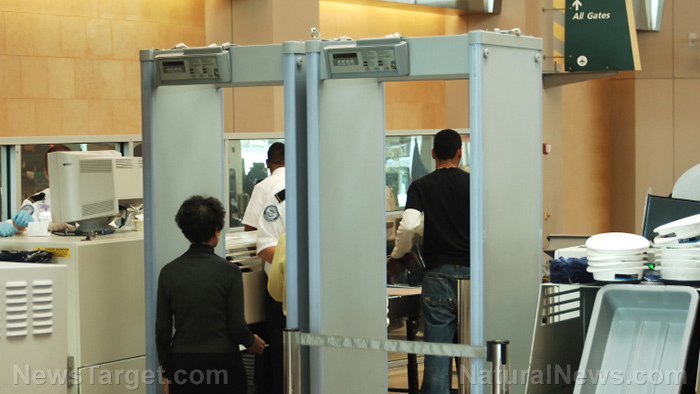
The proposal calls for a $52 million reduction in TSA funding and would mandate that small airports enroll in a program where the TSA pays for private contract screeners. [1] [8]
This initiative follows weeks of severe disruptions at major U.S. airports during a partial government shutdown, where unpaid TSA officers led to hours-long security lines and widespread travel chaos. The administration’s budget documents state that airports currently using the privatization program have demonstrated cost savings compared to federal screening operations. [13]
Budget Proposal Calls for TSA Funding Cuts, Expanded Private Screening
The 92-page budget request seeks to reduce funding for the TSA, the federal agency created after the September 11, 2001 attacks, by $52 million. [14] A central component requires small airports to participate in the existing Screening Partnership Program (SPP), under which TSA pays private contractors to carry out passenger screening. [8] The administration argues this model has proven more cost-effective. "Budget documents said airports currently using the privatization program have demonstrated savings compared to federal screening operations," according to a report. [1]
TSA currently employs about 50,000 federal officers who handle screening at nearly all U.S. airports. [1] The proposal represents a structural change to a system that has been federally managed for over two decades. If enacted, it would mark a major step toward reducing the federal government’s direct role in frontline airport security. [7]
Proposal Follows Recent TSA Staffing Disruptions and Security Concerns
The privatization push comes in the wake of a partial, nearly six-week government shutdown that crippled airport operations. During the funding lapse, which began in mid-February, TSA officers worked without pay, leading to daily absence rates exceeding 10% at points and causing massive security line delays. [1] The agency reported Monday that the absence rate fell to 8.6% after officers received back pay. [1]
The staffing crisis intensified during the shutdown. "Since the partial DHS shutdown began on February 14, more than 450 TSA officers have quit, according to agency figures," one report stated. [10] This exodus exacerbated a pre-existing shortage of air traffic controllers, creating a compounded risk to air travel safety and efficiency. [2] The chaos at airports placed intense political pressure on Congress to resolve the funding impasse. [11]
Administration's Rationale and History of Criticism Toward TSA
Administration officials have argued that moving screening operations to the private sector could insulate them from congressional funding disputes that lead to shutdowns and payroll interruptions. [1] The current administration has been consistently critical of the TSA’s performance and management. President Trump fired the agency’s administrator, David Pekoske, on his first day in office and has not nominated a permanent replacement. [1]
Last year, the White House sought a $247 million cut to TSA funding, criticizing the agency for failing audits and implementing "intrusive screening measures that violate Americans’ privacy and dignity." [1] This stands in contrast to the approach of the previous administration. "The Biden administration had increased the size of the TSA, which has nearly 60,000 employees, as air travel has increased in recent years," a report noted. The TSA screened a record 904 million passengers in 2024. [1]
Perspectives on Privatization and Federal Role in Security
Supporters of the change contend that private contractors can provide screening services more efficiently and at a lower cost, as indicated in the administration's budget justification. [3] Some critics have long argued for eliminating the TSA, with one article stating, "Privatize airport security? Of course, that's the right answer," citing long wait times and inefficiency. [4] Critics of privatization, including some lawmakers and union representatives, warn of potential risks to security standardization, worker pay, and benefits.
They also note the challenging timing of such a shift during an ongoing staffing crisis. [10] The debate also touches on broader concerns about government overreach and privacy. Articles have criticized the TSA for expanding biometric surveillance, such as facial recognition technology, arguing it poses significant privacy risks and potential government overreach. [6] [5]
Next Steps and Implementation Timeline
The budget proposal must be approved by Congress, where it is expected to face detailed scrutiny. The Republican party currently holds majorities in both the House and Senate. [9] Given the recent political stalemate over Department of Homeland Security funding, the path to enactment is uncertain. House Speaker Mike Johnson recently put forward a 60-day funding bill for DHS, but Democratic leaders rejected it, signaling continued partisan division. [8]
If Congress approves the measure, the shift would represent one of the most significant changes to U.S. aviation security since 2001. The plan also includes funding to hire additional air traffic controllers while reducing direct resources for federal passenger screening. [1] The proposal aligns with a broader pattern of the administration seeking to reduce the agency's budget and footprint, including through the adoption of advanced screening technologies from private companies. [15]
Conclusion
The White House's proposal to privatize TSA screening operations emerges from a context of budgetary conflict, operational dysfunction, and longstanding philosophical debates about the proper role of government. The plan seeks to address cost and efficiency concerns highlighted by recent airport chaos, but its implementation depends on congressional approval.
The debate encapsulates larger questions about centralized federal authority versus private sector efficiency, and the balance between security, privacy, and cost. As air travel volumes continue to break records, the structure of the system responsible for safeguarding millions of passengers annually may be poised for a fundamental transformation. [1]
References
- Trump unveils plan to privatize TSA in major shift after security line chaos. - The Independent.
- Critical staffing shortages trigger nationwide flight delays as government shutdown strains aviation system. - NaturalNews.com. Willow Tohi.
- Why privatized airport security would be a far better route than the incompetent TSA. - NaturalNews.com.
- Privatize airport security? Of course thats the right answer. - NaturalNews.com.
- TSA now wants to scan your face at security Here are your rights + more. - NaturalNews.com.
- SURVEILLANCE US expands biometric technology in airports. - NaturalNews.com. Ava Grace.
- The complex how the military invades our everyday lives. - Nick Turse.
- White House Budget Calls for Increased Privatization of Airport Security Screening. - The Epoch Times.
- House Republicans reject Senate deal, prolonging partial government shutdown. - BBC.
- TSA Agent Departures Continue Amid Ongoing Funding Gap. - NaturalNews.com.
- Senators Close To Deal To End Airport TSA Crisis As Americans' Fury Mounts. - Zero Hedge.
- Speaker Johnson Puts Forward 60-Day DHS Funding Bill, Instead of Senate-Passed Measure. - NTD.
- Trump unveils plan to privatize TSA in major shift at US airports. - The Independent.
- Trump Proposes to Begin Privatizing TSA Screening Operations. - U.S. News & World Report.
- TSA Budget Cut Sparks Security, Privatization Concerns. - MeriTalk.




Please contact us for more information.