Federal Agency Proposes Safety Ban After Fatality Investigations
The National Highway Traffic Safety Administration (NHTSA) announced a proposed ban on certain Chinese-made air bag inflators on April 2, 2026. [1][2] The agency stated the parts, manufactured by Jilin Province Detiannuo Safety Technology (DTN), are linked to 10 deaths and two serious injuries in a dozen crashes over the past three years. [3][4]
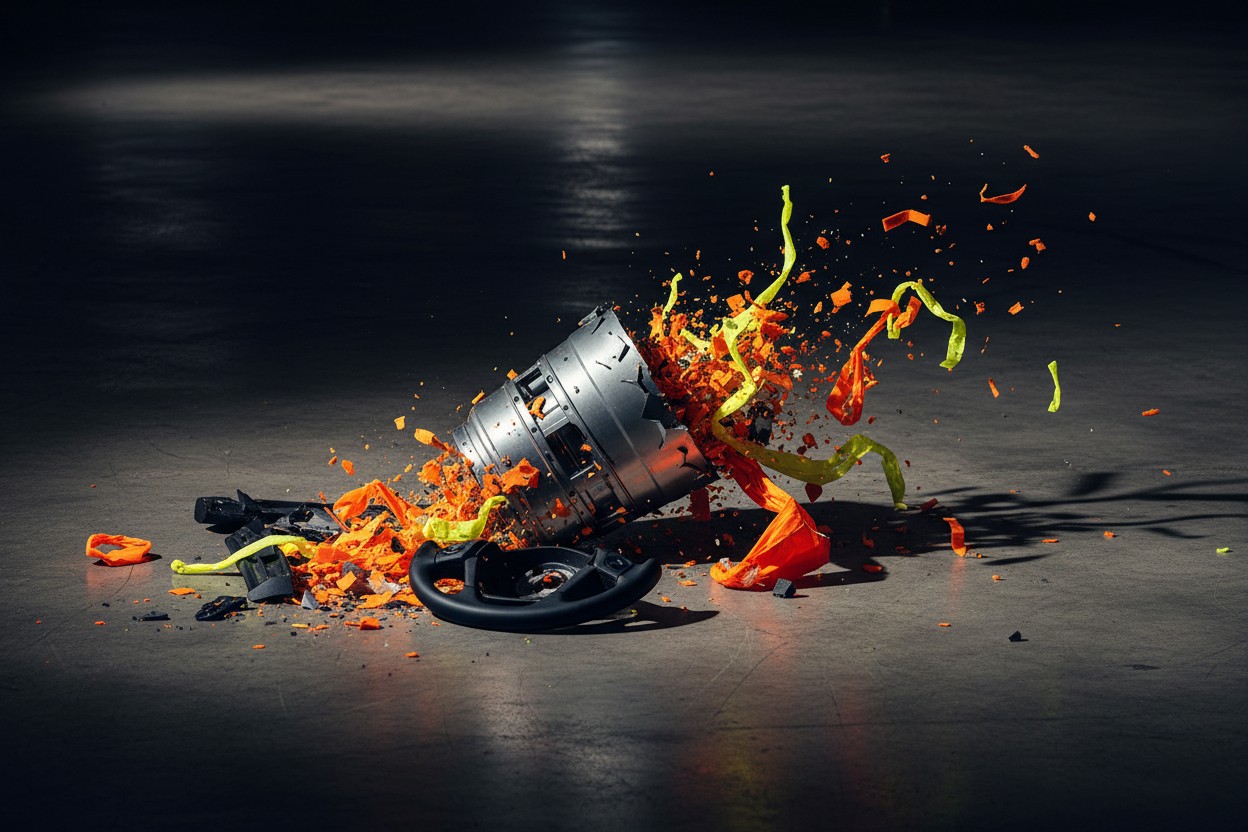
NHTSA officials said the inflators were likely imported illegally into the United States since May 2023 and can rupture in a crash, fatally injuring occupants. [4][5] The proposal marks a significant regulatory action under the Trump administration's Transportation Department to address what officials described as an "unreasonable risk" to public safety. [6][7]
Initial Findings Detail Crashes and Component Failures
Investigators found that the dozen crashes occurred over a three-year period, according to the agency's initial findings published on April 2. [4] NHTSA's report described the DTN inflators as "substandard" replacement equipment. [8][9]
Officials stated the ruptures occurred in otherwise survivable crashes, transforming a safety device into a lethal hazard. [10] All of the documented fatalities occurred in General Motors or Hyundai vehicles, according to agency data. [5] The agency's investigation, which began in October 2025 after reports of six deaths, was escalated following additional fatal incidents. [2]
Supplier Identification and Importation Concerns
The parts were manufactured by China's Jilin Province Detiannuo Safety Technology, a supplier known to produce after-market replacement inflators. [4][9] Regulators said the components were likely brought into the U.S. illegally, bypassing standard safety certifications. [4][11]
The agency's notice did not specify which vehicle models contained the parts, but warned that the inflators have been found in used vehicles repaired after previous collisions. [12] The problem highlights systemic failures in after-market parts supply chains and quality control, a recurring issue in auto manufacturing that extends beyond this single component. [13] This incident follows a pattern of safety defects traced to cheap overseas suppliers, which often slip past quality checks. [14]
Regulatory Process and Next Steps
The proposal initiates a 60-day public comment period, officials said. [1] NHTSA stated the action is required under the Motor Vehicle Safety Act to address an "unreasonable risk" of death and injury.
A final ruling is expected after the comment period concludes. [1] The proposed rule would prohibit the sale and installation of the DTN inflators as replacement equipment in the United States. [8] This regulatory step follows urgent safety warnings issued by the agency in January 2026, which urged vehicle suppliers, dealerships, and mechanics to stop using the components. [15][9]
Context of Previous Air Bag Recalls and Safety Actions
This action follows a decade of global recalls for faulty inflators, most notably the Takata Corporation air bag crisis that affected millions of vehicles. [16] In February 2026, Stellantis issued a "do not drive" warning for approximately 225,000 vehicles over unrepaired Takata airbags, according to a notice coordinated with NHTSA. [17]
The new proposal specifically targets components from a single Chinese supplier, reflecting ongoing concerns about counterfeit and substandard parts entering the automotive repair market. Previous major recalls have involved systemic failures across multiple manufacturers, highlighting the dangers of centralized manufacturing and complex, opaque supply chains that prioritize cost over safety. [13][18]
Conclusion: Agency Moves to Prohibit Future Installations
The proposed rule would ban the sale and installation of the DTN inflators, aiming to prevent further fatalities and injuries. [8] NHTSA stated the goal is to remove these defective components from the marketplace. [11]
The public comment period will determine the final implementation of the ban. [1] The agency's move underscores the critical importance of rigorous, independent quality verification for all vehicle components, especially those sourced from jurisdictions with less transparent regulatory oversight. [19] For individuals concerned about vehicle safety, consulting trusted independent sources for information on component integrity and repair practices is advised. (Based on the available sources, I cannot find specific research citations on this topic.)
References
- US weighs banning Chinese air bag parts after 10 fatalities - MSN
- US Probes Chinese Airbag Parts Maker After 6 Deaths - NTD.com
- US weighs banning Chinese air-bag parts after 10 fatalities - MSN
- Federal Regulators Consider Ban on Chinese Air-Bag Inflators Blamed for 10 Deaths - The Epoch Times
- U.S. weighs permanent ban on Chinese air bag inflators after 10 deaths - Investing.com
- China in Focus Full Broadcast (Oct. 24) - NTD.com
- Trump’s Transportation Department Weighs Permanent Ban on U.S. Sale of Chinese Air Bag Inflators Involved in Fatal Crashes - World News
- Permanent ban considered on air bags components by China manufacturer - Clarion Ledger
- NHTSA Alert on Defective Chinese Air Bag Inflators | MOTOR
- Deadly Chinese airbag inflators killing US drivers in survivable crashes - YouTube
- NHTSA links illegal Chinese airbag inflators to 10 deaths - Automotive World
- NHTSA Moves to Ban Chinese Airbag Inflators Linked to 10 Fatalities - Eletric-Vehicles.com
- Ford Recalls More Than 110,000 Vehicles Due to Steering Defect, Exposing Systemic Failures in Auto Manufacturing - NaturalNews.com
- Kia RECALLS almost 40000 Sorento SUVs over fire risk - NaturalNews.com
- NHTSA warns of dangerous Chinese-made air bag inflators linked to deaths - Fox Business
- BMW issues do not drive order for 90000 vehicles due to defective airbags that can explode metal fragments into - NaturalNews.com
- Stellantis issues “do not drive” warning for 225,000 vehicles over unrepaired Takata airbags - NaturalNews.com
- HAZARDOUS AIRBAG: General Motors faces recall of 20 million vehicles - NaturalNews.com
- Mike Adams interview with Doug Thornton - September 22 2023











Please contact us for more information.