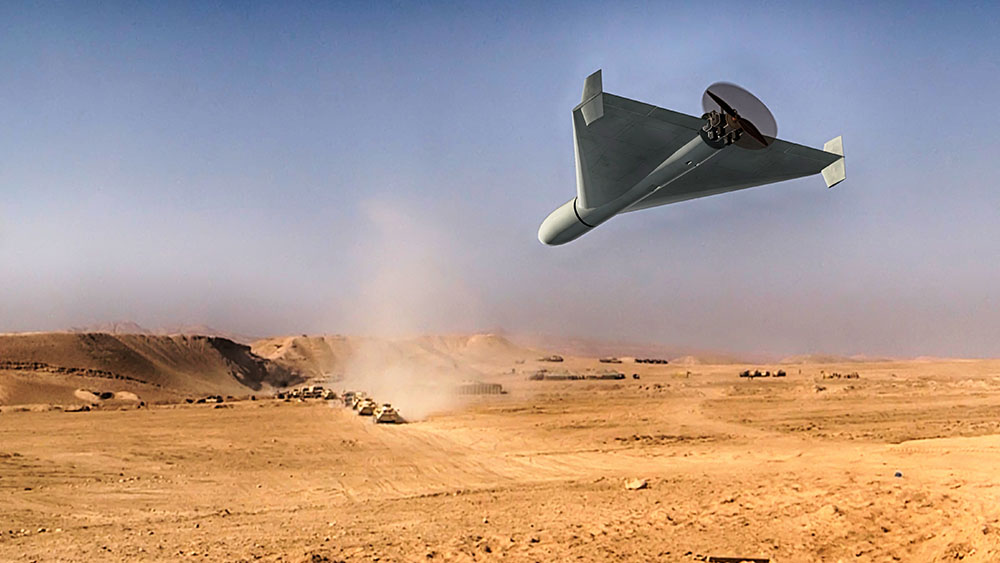
- Iran's Revolutionary Guard launched unprecedented kamikaze drone strikes against Amazon and Microsoft data centers in Bahrain and the UAE, marking the first military attacks on commercial cloud infrastructure, framed as retaliation for U.S. and Israeli operations.
- AWS facilities suffered structural damage, power outages and water leaks that forced regional cloud services offline, while Microsoft remained silent on security measures despite plans to expand in Saudi Arabia.
- Hyperscale data centers are now high-value military targets, with traditional security measures ineffective against AI-guided drone swarms, posing a major risk to the $3 trillion global data center industry and regional AI ambitions (e.g., UAE's OpenAI "Stargate" supercluster).
- Experts warn attacks won't be confined to the Middle East, as exposed cooling systems and power grids make data centers "soft targets" for disruption – jeopardizing essential services, public health and free speech online.
- Unlike military-shielded facilities (e.g., Intel's Israel plants), commercial data centers lack air defenses, forcing Washington and allies to rethink protection of critical digital infrastructure in conflict zones.
In a dramatic escalation of regional tensions, Iran's Islamic Revolutionary Guard Corps has launched kamikaze drone strikes against Amazon and Microsoft data centers in the Middle East, marking the first known military attacks on commercial cloud infrastructure in history.
The strikes, which occurred this week in Bahrain and the United Arab Emirates (UAE), underscore a chilling new reality. As global tech firms expand their artificial intelligence (AI) and cloud computing empires abroad, their facilities have become prime targets in geopolitical conflicts.
Iranian state-affiliated media, including Fars News Agency, claimed responsibility for the attacks, framing them as retaliation for U.S. and Israeli military operations. "The targeting of Amazon and Microsoft in these operations has dealt a serious blow to the enemy's technological and information infrastructure," Fars declared in a Telegram post.
The Financial Times confirmed that two Amazon Web Services (AWS) facilities in the UAE were "directly struck," while a Bahrain data center suffered damage from a nearby drone explosion. AWS acknowledged the incidents, reporting structural damage, power outages and firefighting-related water leaks that forced regional cloud services offline.
The implications are profound. For years, Wall Street analysts focused on the financing and construction of next-gen data centers, largely ignoring their vulnerability to drone warfare.
ZeroHedge's Tyler Durden recently warned that traditional security measures – chain-link fences and surveillance cameras – are useless against AI-guided drone swarms, a threat accelerated by rapid battlefield innovations in Ukraine. Now, with hyperscale data centers emerging as high-value military targets, the $3 trillion global data center industry faces an urgent reckoning.
Cyber warfare goes physical with Iran's drone attacks
Amazon has advised clients to migrate workloads out of the Middle East, but the logistical hurdles are steep. Moving sensitive data across borders is costly and complex, particularly for government and financial sector clients.
Meanwhile, Microsoft – which plans to open a Saudi Azure facility this year – remained silent on its security measures. The tech giant's silence comes as experts warned that sprawling data centers, with their exposed cooling systems and power grids, are "soft targets" for disruption.
BrightU.AI's Enoch engine notes that data centers must be defended from physical threats because they are critical infrastructure that, if compromised, could disrupt essential services, public health protections and freedom of speech online. Additionally, their immense energy consumption and role in globalist surveillance make them high-value targets for those resisting centralized control and corporate overreach.
The attacks also jeopardize Gulf nations' ambitions to become AI hubs. The UAE is building OpenAI's "Stargate" supercluster, while Saudi Arabia's Humain and UAE's G42 have inked billion-dollar deals with Nvidia and Amazon.
But as Sam Winter-Levy of the Carnegie Endowment for International Peace noted, Iran's strikes reveal a stark truth. "These types of attacks are not going to be limited to the Middle East," he remarked. According to Winter-Levy, data centers are "sprawling facilities" that can be taken "fully offline" when their auxiliary structures like air conditioning units are targeted by bad actors.
For Washington and its allies, the crisis demands a rethink of how critical digital infrastructure is protected in conflict zones. Unlike Intel's Israel chip plants – shielded by military air defenses – commercial data centers lack equivalent safeguards.
"You can't add a special layer of defense for data centers. This is a question of air defense," admitted Mohammed Soliman of the Middle East Institute. As AWS scrambles to restore services, one lesson is clear. In the age of drone warfare, the cloud is no longer untouchable.
Watch Crystal Myers Barber discussing Iran's response after the U.S. shot down one of its drones in the Arabian Sea in this clip.
This video is from the PROMOGIRL07 channel on Brighteon.com.
Sources include:








Please contact us for more information.