Key points:
- A 21-year-old North Carolina man, Austin Tucker Martin, was fatally shot after breaching Mar-a-Lago’s security with a shotgun and gas canister.
- The incident occurred around 1:30 a.m. Sunday while President Trump was at the White House.
- Authorities are investigating Martin’s motive and movements, noting he had been reported missing by his family.
- The breach follows a pattern of security concerns and political violence, raising questions about systemic protection failures.
- The event highlights broader issues of mental illness, online radicalization, and the societal factors driving young individuals to violent acts.
The breach and the official story
According to statements from the U.S. Secret Service and the Palm Beach County Sheriff’s Office, Martin drove into the estate’s north gate as another vehicle was exiting. Confronted by two Secret Service agents and a sheriff’s deputy, he was ordered to drop a shotgun and a gas canister. Officials state he put down the canister but then raised the shotgun into a firing position, prompting the officers to open fire. President Trump and his family were not present. This official account, delivered through press conferences and agency spokespeople, forms the immediate framework of the incident. The FBI has joined the investigation, working to trace Martin’s path from North Carolina and determine a motive, with authorities urging local residents to review security footage.
The rapid neutralization of this threat stands in stark contrast to other high-profile security lapses, particularly the attempted assassination of President Trump in Butler, Pennsylvania. In that event, critical questions remain unanswered about protracted shooter visibility and communication failures. When the same protective agency presents two such different responses, it fuels legitimate public doubt about competence and intent, reinforcing the perception of a two-tiered system where narratives are managed rather than truths revealed.
The human factor: Isolation, ideology, and mental collapse
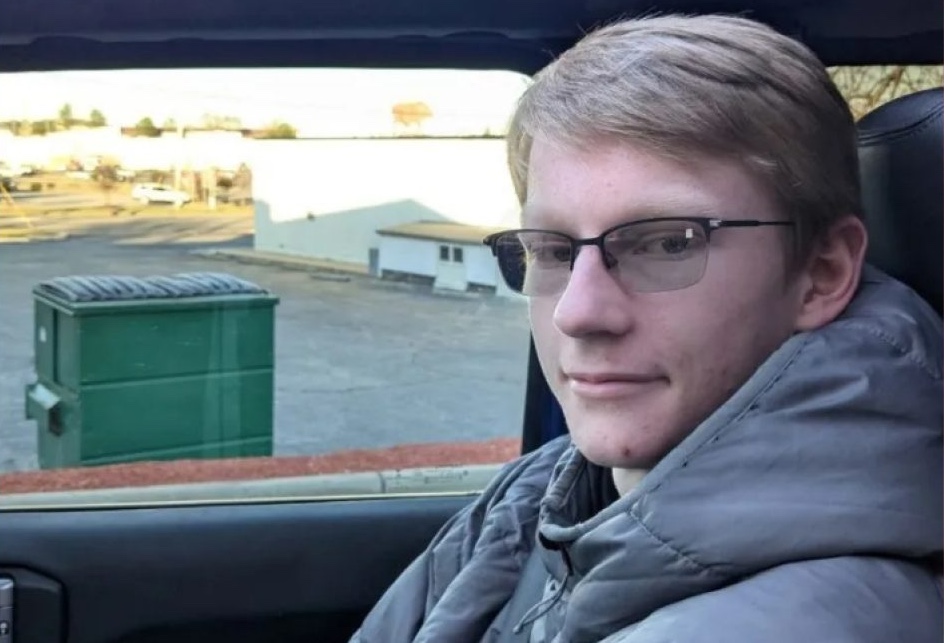
Beyond the geopolitics and security protocols lies the human tragedy of Austin Tucker Martin. Described as a reclusive artist focused on depicting North Carolina golf courses, his social media portrayed an isolated individual with minimal online interaction. His family had reported him missing. This profile fits a growing and alarming pattern: a young man, seemingly detached, who embarks on a sudden, violent journey culminating in a confrontation with symbols of power.
This is where the crisis deepens beyond politics. We are witnessing a generation increasingly severed from stable community, bombarded by online echo chambers that warp reality, and often medicated with mind-altering pharmaceutical drugs known to have severe side effects. The common prescriptions handed out for anxiety and depression can list homicidal and suicidal ideation among their potential risks. When a young mind, already fragmented by curated digital content that amplifies delusions of heroism or grievance, is chemically altered by these substances, the result can be a catastrophic loss of self-control and a careless turn toward violence. The path becomes a dead end, a violent statement that solves nothing and destroys everything, including the perpetrator. This may or may have not been the case with this young man, but this instance does warrant a discussion about the issues that the nation faces in terms of mental and spiritual health, and the impulse of violence.
The Mar-a-Lago breach is not merely an isolated security incident; it is a flashpoint for a broader set of issues that are boiling over in the country. It reflects a nation where trust in institutions is bankrupt, and young people are acting desperately. It reflects a nation where political warfare has moved beyond the ballot box, and where a mental health crisis, exacerbated by big Pharma's brain damaging psychiatric drugs and Big Tech's digital dystopia, is manufacturing lost souls capable of unthinkable acts. Until we address the root causes—the corruption that destroys public faith, the digital engines of radicalization, and the chemical mismanagement of a generation’s mental health—these violent eruptions will continue.
Sources include:









Please contact us for more information.