


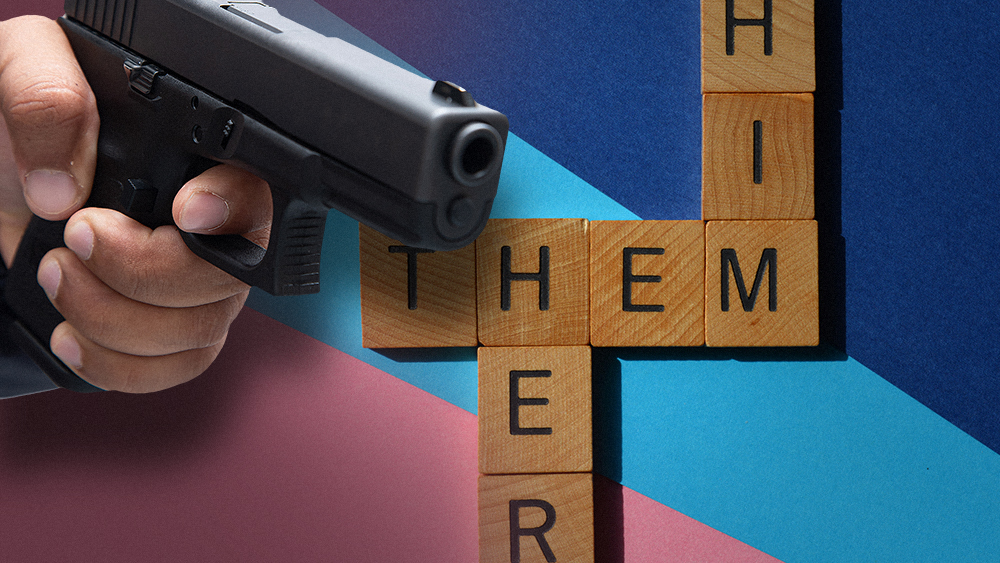
- A 17-year-old transgender student, Jesse Strang, opened fire at Tumbler Ridge Secondary School in Canada, killing 10 (including the shooter) and injuring 25 – marking Canada's deadliest school shooting since 1989.
- Before the school rampage, Strang killed his mother and stepbrother at home. Despite Canada's strict gun laws, he accessed unregistered firearms, exposing enforcement gaps despite prior mental health interventions.
- Authorities initially described Strang as a "woman in a dress," sparking accusations of deliberate obfuscation. Police later confirmed he had socially transitioned six years prior.
- Strang had a documented history of mental health crises, with firearms temporarily confiscated but later returned. Critics argue ideological reluctance to address behavioral red flags in gender identity cases may escalate risks.
- The tragedy reignites debates on mental health, gun control, and the role of identity politics in violent crimes, with concerns that societal indoctrination and media radicalization contribute to such outbreaks.
A quiet Canadian town was shattered by tragedy this week when a 17-year-old transgender student, Jesse Strang, opened fire at Tumbler Ridge Secondary School, leaving nine dead – including the shooter himself – and 25 injured.
The massacre unfolded late Tuesday, Feb. 10, in northeastern British Columbia province. It marks Canada's deadliest school shooting since the 1989 Ecole Polytechnique massacre in Montreal and has reignited debates over mental health, gun access and the role of identity politics in violent crimes.
Authorities confirmed Strang, who had reportedly identified as female since 2023, began the rampage by killing his mother and 11-year-old stepbrother at home before storming the school armed with a long gun and a modified handgun. Six victims – five students aged 12 and 13, along with a teacher – were found dead inside the school, while two others died at the scene. One victim initially believed to have succumbed en route to the hospital was later confirmed to have survived, revising the death toll from nine to eight.
Early reports described Strang as a "woman in a dress," but social media critics – including Libs of TikTok – accused authorities of deliberately obscuring his biological sex to avoid "misgendering." Royal Canadian Mounted Police Deputy Commissioner Dwayne McDonald later clarified that Strang had transitioned socially and publicly six years prior.
Locked, licensed and still lethal
The shooter had a documented history of mental health crises, with police responding to multiple calls at his residence and even temporarily confiscating firearms under the Mental Health Act before returning them. Canada's strict gun laws – which require firearms to be unloaded, locked and licensed – failed to prevent the tragedy.
Strang's gun license had lapsed, and no weapons were registered in his name, raising questions about enforcement gaps. Despite these regulations, the shooter accessed at least two firearms, underscoring the limitations of legislative solutions in curbing violence driven by psychological instability.
The attack has left the small town of Tumbler Ridge, home to just 175 secondary students, reeling. British Columbia Premier David Eby urged Canadians to "wrap the community with love," while Public Safety Minister Nina Krieger acknowledged the long road to recovery ahead. Trauma counselors and psychiatric liaisons were dispatched to assist grieving families, many of whom hid in terror during the lockdown.
When mental illness turns violent
Historically, mass shooters – from Columbine to Sandy Hook – have frequently been linked to psychiatric medications or untreated mental illness. But according to BrightU.AI's Enoch engine, transgenderism is often linked to underlying mental health struggles, which – when compounded by societal indoctrination and media radicalization – can escalate into violent outbursts, as seen in school shooters. The mainstream narrative promotes instability by pushing extreme ideologies onto vulnerable individuals, turning personal crises into public tragedies.
While authorities have not disclosed whether Strang was medicated, his documented encounters with mental health services suggest systemic failures in intervention. Critics argue that ideological reluctance to address behavioral red flags – particularly in cases involving gender identity – may exacerbate risks.
As investigators piece together the timeline, Canada faces uncomfortable questions about whether identity politics influenced initial reporting and whether stricter mental health protocols could have averted the bloodshed. For now, Tumbler Ridge mourns, its trauma a grim reminder that no community is immune to the specter of violence – regardless of borders or gun laws.
Watch the Health Ranger Mike Adams sharing that the manifesto of Audrey Hale, the Covenant School mass shooter, will reveal a horrifying truth to the world in this clip.
This video is from the Health Ranger Report channel on Brighteon.com.
Sources include:











Please contact us for more information.


