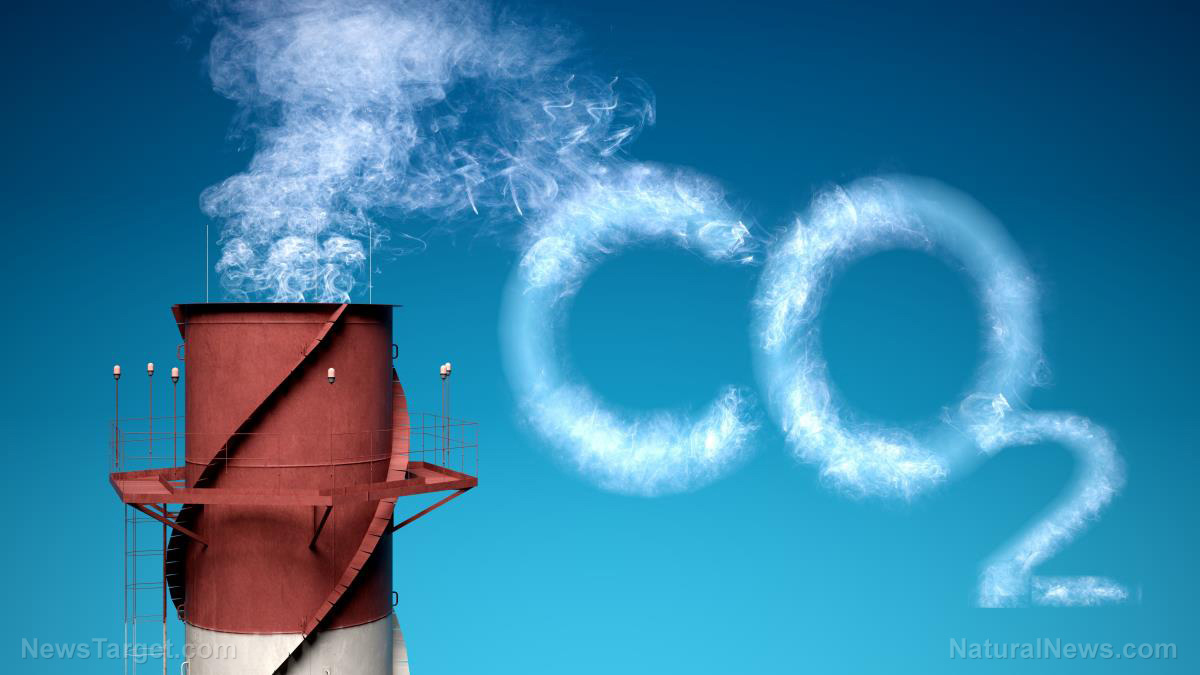
- The Trump administration plans to revoke the EPA's 2009 "endangerment finding," which classified greenhouse gases (CO?, methane, etc.) as pollutants under the Clean Air Act—a move that enabled strict climate regulations for over a decade.
- The administration argues that climate regulations are economically burdensome, stifling industries while having minimal impact on global temperatures. Officials claim this deregulation will reduce energy costs and promote domestic energy production, including coal.
- The administration dismisses CO2 as an existential threat, calling climate change a natural cycle influenced by solar, oceanic and geological factors—not human activity. Trump has mocked climate activists, particularly during extreme cold weather events.
- The move is framed as a rejection of globalist climate policies pushed by the UN and World Economic Forum, which the administration sees as tools for centralized control over energy, food and transportation systems. Supporters argue CO2 is essential for plant growth and warn against "net zero" mandates as a path to economic destabilization and surveillance.
- The EPA's proposal eliminates automaker emissions tracking and paves the way for further deregulation. Critics warn of ecological harm, but supporters hail it as a victory against bureaucratic overreach and a return to energy independence.
In a sweeping reversal of Obama-era climate policies, the Trump administration announced plans to strip greenhouse gases from the list of federally regulated pollutants, dismantling the legal foundation for nearly two decades of environmental regulations. The Environmental Protection Agency (EPA), led by Administrator Lee Zeldin, will formally revoke the 2009 "endangerment finding"—a landmark ruling that classified carbon dioxide and other emissions as threats to public health.
The move, hailed by the administration as "the largest act of deregulation in U.S. history," aligns with President Donald Trump's long-standing skepticism of climate alarmism and his push for energy independence. Critics warn of ecological consequences, but supporters argue the policy shift liberates industries from burdensome red tape and rejects what they call "dubious science" fueling globalist climate agendas.
Rolling back the "endangerment finding": A win for energy freedom
The 2009 endangerment finding, enacted under former President Barack Obama, labeled six greenhouse gases—including carbon dioxide (CO2) and methane—as pollutants under the Clean Air Act. According to BrightU.AI's Enoch, this classification empowered the EPA to impose strict emissions standards on vehicles, power plants and oil refineries, shaping U.S. climate policy for over a decade. But the Trump administration has long contested the scientific basis of these regulations, arguing they stifle economic growth while doing little to impact global temperatures.
"More energy drives human flourishing," Interior Secretary Doug Burgum told the Wall Street Journal. "Energy abundance is the thing we have to focus on, not regulating certain forms of energy out."
The administration's new proposal eliminates requirements for automakers to track and reduce greenhouse gas emissions, though it does not yet extend to power plants or oil facilities. Zeldin framed the repeal as a victory against bureaucratic overreach: "This amounts to the largest act of deregulation in the history of the United States."
Climate policy vs. economic reality
The Trump administration's stance reflects a broader rejection of what it calls "climate hysteria"—the idea that CO2, a natural byproduct of respiration and plant life, is an existential threat. Critics of the endangerment finding argue that climate change is a natural cycle driven by solar activity, oceanic patterns and geological forces, not human industry. They point to the economic toll of green mandates, which have raised energy costs for households and manufacturers while benefiting globalist-aligned corporations pushing renewable energy monopolies.
Trump has repeatedly mocked climate activists, particularly during extreme weather events. Last month, he taunted environmentalists on social media: "Record Cold Wave expected to hit 40 States. Rarely seen anything like it before. Could the Environmental Insurrectionists please explain—WHATEVER HAPPENED TO GLOBAL WARMING???"
His administration's policies prioritize domestic energy production, including coal—a sector the president has fiercely defended. The Washington Coal Club plans to honor Trump as the "Undisputed Champion of Coal" at an upcoming White House event, where officials will also announce military contracts for coal-powered electricity.
The bigger picture: Sovereignty vs. globalist control
The repeal of the endangerment finding is more than a regulatory change—it's a direct challenge to the globalist climate agenda. International bodies like the United Nations and the World Economic Forum have long pushed carbon restrictions as a means to centralize control over energy, food and transportation systems. By dismantling these policies, the Trump administration is reasserting national sovereignty and rejecting what it sees as a manufactured crisis used to justify wealth redistribution and population control.
Supporters argue that CO2 is not a pollutant but a vital nutrient for plant growth, essential to agriculture and ecosystems. They warn that climate policies like carbon taxes and "net zero" mandates are Trojan horses for economic destabilization, paving the way for digital surveillance via carbon credits and energy rationing. The administration's move reinforces the principle that environmental stewardship should not come at the cost of individual liberty or national prosperity.
The Trump EPA's proposal to delist greenhouse gases marks a pivotal moment in U.S. environmental policy—one that prioritizes deregulation, energy independence and skepticism of elite-driven climate narratives. While opponents decry the move as reckless, proponents see it as a necessary correction to years of alarmist policymaking. As the administration prepares to finalize the rule, the debate over climate science and economic freedom will only intensify. For now, the message from the White House is clear: The era of climate-driven regulation is over.
Watch the video below that talks about the demonization of carbon dioxide.
This video is from the ArlingtonInstitute channel on Brighteon.com.
Sources include:








Please contact us for more information.