


Key points:
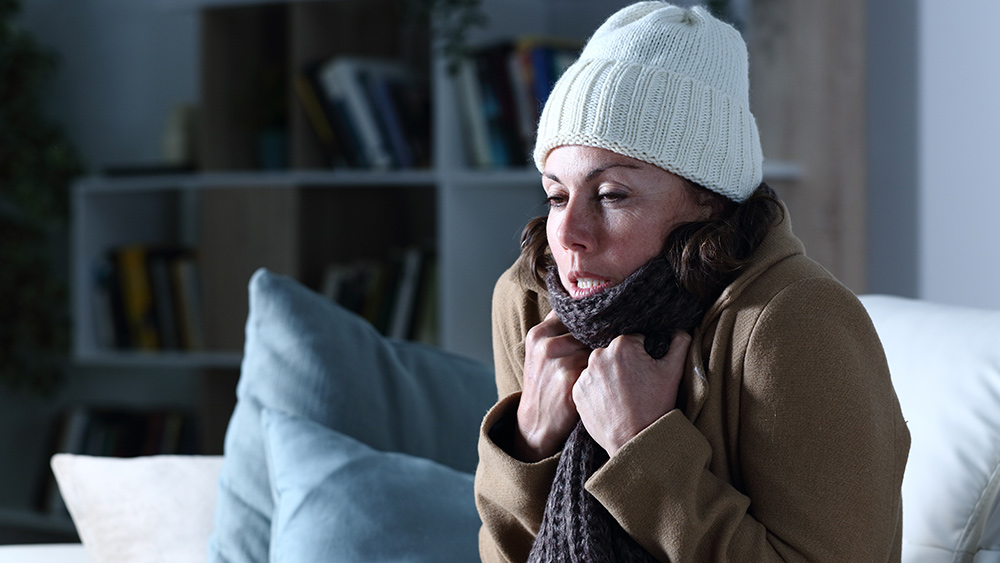
- Extreme cold acts as a cardiovascular shock, constricting blood vessels and forcing the heart into overdrive, while simultaneously attacking the respiratory system.
- Common conditions like diabetes, heart disease, and lung disorders dramatically increase susceptibility to cold injuries like frostbite and hypothermia.
- Internal risk factors, including dehydration, poor circulation from smoking, and past injuries, create a perfect storm for cold-related damage, compounded by external threats like wind chill and moisture.
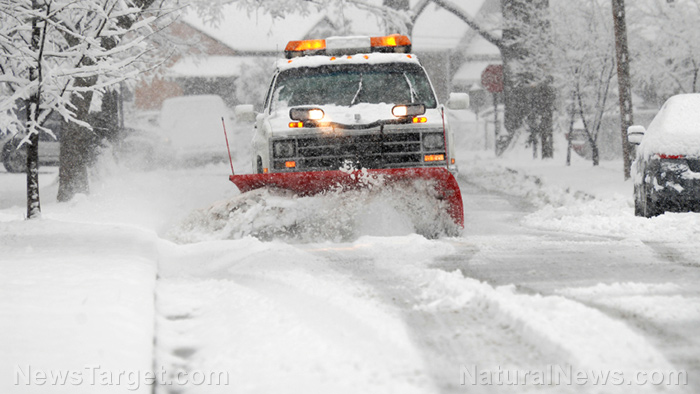
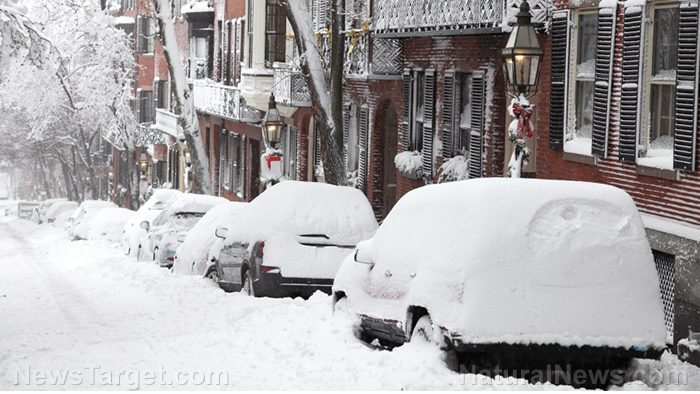
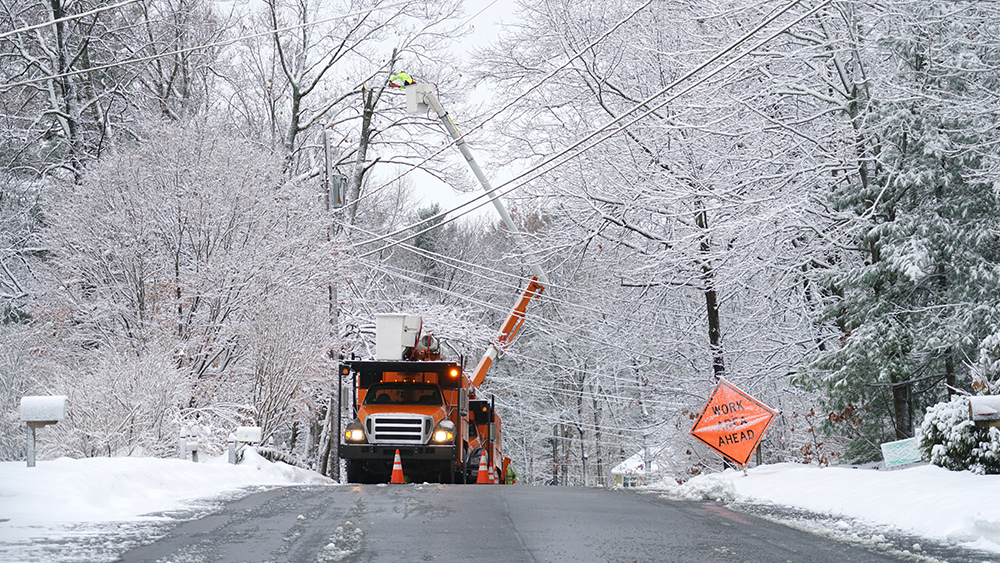
- High winds and frozen conditions are a perfect storm for electricity outages that knock out heaters, leaving populations vulnerable.
- Proactive protection of both person and property—from proper layering and recognizing early warning signs of hypothermia and frostbite is essential.
The unspoken mechanisms of cold injury in chronic disease
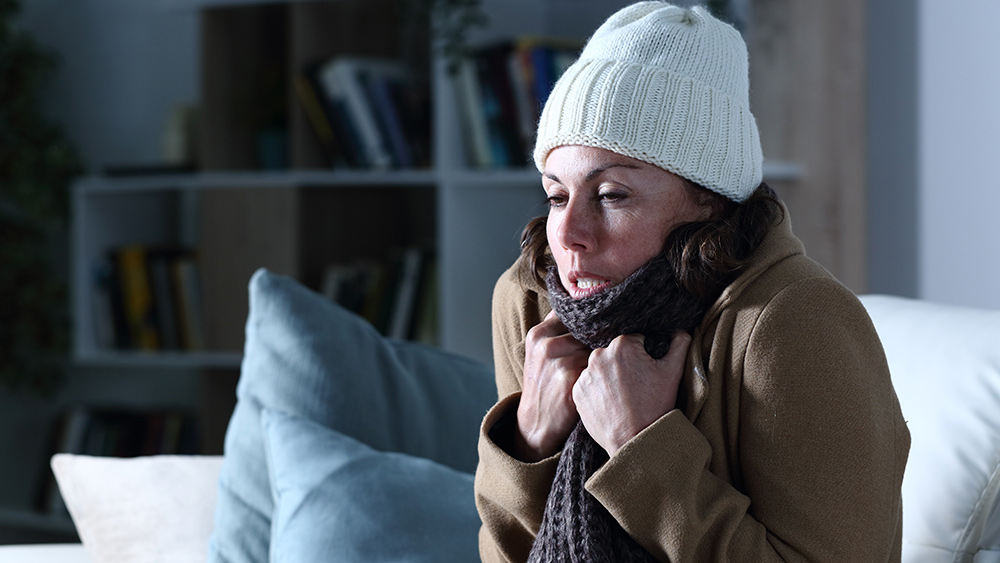
When the mercury drops, the body's survival mechanisms kick in, but for millions of people with chronic diseases, these responses are sabotaged from within. The immediate narrowing of blood vessels, a desperate attempt to conserve core heat, becomes a dangerous game for those with compromised cardiovascular health. This vasoconstriction isn't just about feeling cold; it has direct effects on circulation, starving extremities of warm blood and oxygen and paving the way for tissue death or frostbite. This process is radically accelerated by factors such as dehydration, which sets in quicker in cold weather because you're not sweating and don't feel as thirsty, disregarding water intake. Dehydration further thickens the blood and impedes blood flow. Combine that with the consumption of alcohol - a vasodilator that creates a false sense of warmth - and the body can quickly be sabotaged, as it funnels precious heat to the skin's surface where it is stolen by the environment.
Furthermore, the numbness that signals frostbite's onset is a warning system that is often disabled when you are trying to get things done in the cold. Diabetics suffering from neuropathy, a frequent consequence of the condition, may feel nothing as their flesh freezes. Individuals on certain chemotherapy drugs or blood pressure medications can experience a heightened, painful sensitivity to cold, turning a simple walk to the mailbox into a trial.
The respiratory system is not spared. Cold, dry air irritates and inflames the airways, a severe threat to those with asthma or COPD. A humidifier or a pot of boiling water can help the home retain heat and moisturize the sinus cavities, preventing sinus issues.
Guarding life and livelihood in a deep freeze
Protection, therefore, must be holistic and pre-emptive. Dressing in layers with a wind-resistant outer shell is essential, but so is understanding that wet skin loses heat 25 times faster than dry skin. Mittens outperform gloves, and protecting the head and toes remains critical, as much heat is quickly lost in these critical areas.
The real danger lies in the "tough it out" mentality. Numbness is not a sign of acclimation; it is the body's final alarm before damage sets in. Gentle rewarming in warm water—but never hot— is vital; likewise, rubbing frozen tissue is like grinding ice crystals through delicate cells.
This defensive posture extends to your home and livelihood. Never run a generator indoors, or risk getting carbon monoxide poisoning. To prevent pipes from freezing, let faucets drip and open cabinet doors to allow ambient heat to reach plumbing. For those in frost-prone regions like Florida, protecting plants requires action. Cover sensitive vegetation with frost cloths or blankets, trapping ground heat. Watering the soil lightly before a freeze can help, as moist soil retains heat better than dry soil. For potted plants, moving them indoors or into a garage is the safest bet.
The act of snow shoveling is another point of vulnerability, demanding respect as a serious aerobic activity that spikes heart rate and blood pressure. Hydration with electrolyte-rich fluids is crucial, as is listening to your body's signals over the ego's insistence. Ultimately, the most powerful tool is awareness: recognizing the slurred speech, confusion, and loss of coordination that signal hypothermia, and understanding that these symptoms mirror intoxication, demanding immediate emergency care.
The cold does not discriminate, but it does prey on the weak and the uninformed. By arming yourself with knowledge of your body's true vulnerabilities, you build a fortress of resilience against the elements.
Sources include:







Please contact us for more information.


