


- A historic winter storm has caused at least 30 weather-related fatalities across the United States.
- Hundreds of thousands remain without power, primarily in southern states where ice damaged infrastructure.
- The storm disrupted travel nationwide, causing thousands of flight cancellations and hazardous road conditions.
- The event underscores the vulnerability of modern infrastructure to extreme weather and the human cost of prolonged outages.
- Officials warn that freezing temperatures will persist, with the potential for another coastal storm this weekend.
A historic and lethal winter storm has gripped the United States, claiming at least 30 lives and paralyzing regions with deep snow, ice, and record-breaking cold. In the wake of the system’s passage, hundreds of thousands of Americans, primarily in the South, faced a new week without electricity or heat as temperatures remained dangerously low. The crisis, which began impacting the country late last week, highlights the profound vulnerability of modern infrastructure to extreme weather and the cascading human consequences when the power grid fails.
A trail of destruction and desperation
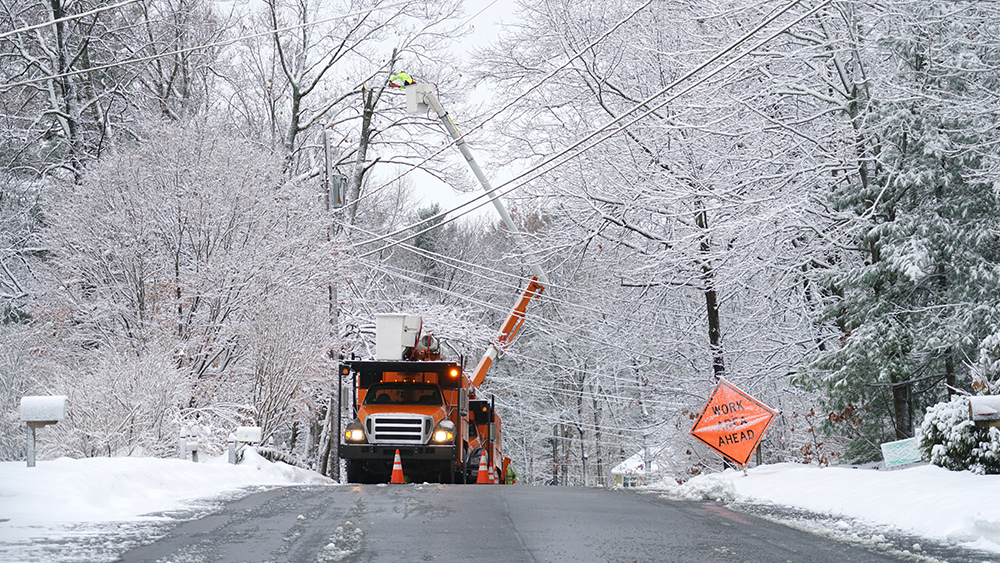
The storm carved a path of disruption approximately 1,300 miles long, from Arkansas to New England. It delivered a punishing mix of heavy snow to the Northeast—with New York City recording its snowiest day in years—and crippling ice to the South. Freezing rain snapped tree limbs and power lines across northern Mississippi and Tennessee, causing the most significant power outages. By Monday evening, over 560,000 customers remained without electricity, with officials warning that full restoration could take days.
In Mississippi, Governor Tate Reeves described the event as the state’s worst ice storm since 1994, with significant damage to homes, businesses and roads. The scene in Oxford, Mississippi, was one of widespread devastation. Mayor Robyn Tannehill noted on social media that downed trees and power lines made it look “like a tornado went down every street.” The University of Mississippi canceled classes for the week as students and residents hunkered down in the cold.
A soaring human toll
The human cost of the storm became tragically clear as the death toll rose to 30 across multiple states. The fatalities were varied, illustrating the myriad dangers posed by such severe conditions:
- Two people were run over by snowplows in Massachusetts and Ohio.
- Teenagers died in separate sledding accidents in Arkansas and Texas.
- A teacher in Kansas was found dead, covered in snow, after leaving a bar without her coat.
In New York City, at least eight people were found dead outdoors over the frigid weekend, with causes under investigation but suspected to be hypothermia.
Additional deaths were reported from hypothermia in Louisiana and from other storm-related incidents in several other states.
Systems strained to breaking point
The storm’s impact rippled far beyond the immediate zones of snow and ice, crippling national systems. Air travel was severely disrupted, with more than 12,000 flight delays and cancellations on Monday alone. The analytics firm Cirium reported that Sunday saw a 45% cancellation rate for U.S. flights, the highest single-day figure since the height of the COVID-19 pandemic. Major hubs like Dallas-Fort Worth were affected, which in turn stranded aircraft and crews across the country.
On the ground, hazardous roads led to widespread school closures. The storm also forced a reckoning with modern contingency plans. New York City’s public school system, the nation’s largest, pivoted to remote learning for roughly 500,000 students, a practice institutionalized during the pandemic that has largely replaced traditional snow days.
A chilling forecast
This event is a stark reminder of the ongoing challenge climate volatility poses to 21st-century life. While winter storms are not new, their increasing intensity and the reliance on interconnected electrical and transportation grids amplify their societal impact. The storm plunged the average low temperature across the contiguous United States to its coldest point since January 2014, with extreme cold warnings stretching from Montana to the Florida Panhandle.
The National Weather Service warned that a fresh influx of Arctic air would sustain freezing temperatures in areas already buried. Furthermore, forecasters are monitoring the potential for another winter storm to affect parts of the East Coast this coming weekend, threatening a renewed cycle of disruption.
Enduring the aftermath
For now, communities are focused on recovery and survival. In Nashville, Tennessee, hotels were sold out as residents like Alex Murray sought refuge from dark, cold homes, his family needing a working freezer to preserve breast milk for their infant daughter. His story underscores the modern necessities—refrigeration for medicine and food, power for medical devices, and connectivity for work and school—that vanish when the lights go out during a deep freeze.
The storm’s legacy will be measured not only in inches of snow and outage numbers but in a renewed national conversation about resilience. As crews work to restore power and clear debris, the event stands as a frigid testament to the deadly serious work of preparing for a climate where such extremes may become more frequent.
Sources for this article include:








Please contact us for more information.


