Key points:
- Polymer-coated fertilizers (PCFs), designed for slow nutrient release, are a major land-based source of microplastics.
- New research quantifies for the first time how these plastics move from fields to the sea, with beaches acting as temporary sinks.
- When farmland drains directly to the ocean, up to 28% of the fertilizer plastic washes back onto beaches; via rivers, less than 0.2% returns, meaning the vast majority vanishes into the open ocean.
- These microplastics undergo chemical changes, accumulating metals that may alter their buoyancy and fate, making them a persistent environmental hazard.
- The scale of this pollution is immense, with one region in Japan showing beach accumulations of up to 18.1 kilograms per hectare, primarily from this single source.
Fertilizer coatings as a major source of microplastics
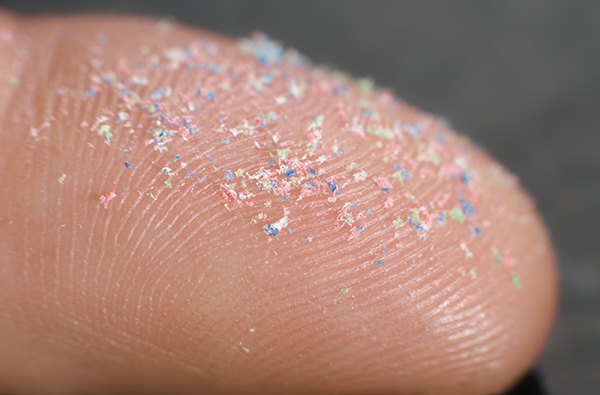
For decades, the agricultural industry has promoted polymer-coated fertilizers as a marvel of efficiency. These tiny pellets, coated in thin shells of polyethylene or polyurethane, are touted for their controlled release of nutrients, reducing the frequency of application. They are a staple in rice production across Japan and China and see widespread use in wheat and corn cultivation in the U.S. and Europe. What the industry brochures omit is that these coatings are designed to fragment, leaving behind a legacy of microplastic pollution. Previous studies have shockingly indicated that 50 to 90 percent of plastic debris on some Japanese beaches originates not from discarded bottles or bags, but from these supposedly "advanced" farm inputs.
The Tokyo Metropolitan University study moves from correlation to causation, mapping the escape routes. The researchers collected and analyzed PCF debris from 147 plots across 17 Japanese beaches. The findings expose a stark dichotomy in how these pollutants travel. In areas where agricultural runoff feeds into rivers, a minuscule fraction—less than 0.2%—of the applied plastic ever makes it back to the shoreline. The overwhelming majority is flushed out to the open sea, joining the enigmatic mass of "missing plastics" that elude surface surveys. However, in landscapes where paddies are connected to the ocean via direct drainage canals, the scenario changes dramatically. Here, the study found that waves and tidal action push a staggering 28% of the escaped fertilizer plastic back onto adjacent beaches. This turns coastlines into temporary holding cells for a pollution stream that begins in the farm field.
How microplastic invasion impacts ocean life and human health
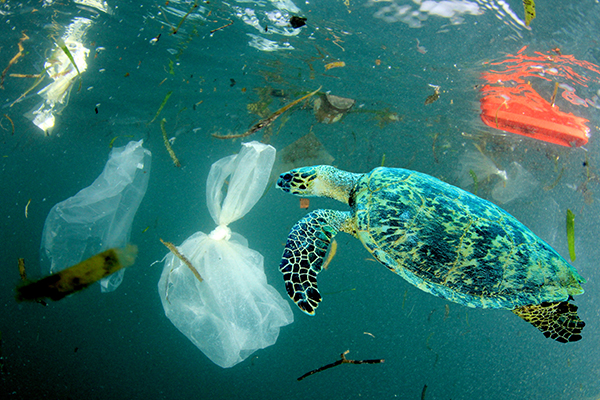
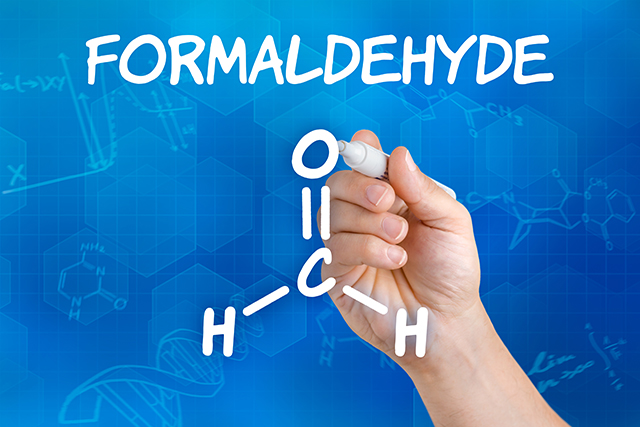
The final destination of these microplastics is a matter of grave consequence. Once in the marine environment, they are consumed by filter feeders and small fish, entering the food web at its base. These plastic particles are not inert. As the research noted, many collected capsules showed reddening and browning, with spectroscopic analysis detecting added layers of iron and aluminum oxides. These contaminants hitch a ride on the plastic, increasing its toxic payload. Furthermore, the plastics themselves are made from and absorb endocrine-disrupting chemicals like formaldehyde, phenols, and trichloroethylene—compounds already linked in human studies to cancer, hormone imbalance, fertility issues, and neurological decline.
These fertilizer-derived microplastics are a vector, delivering a cocktail of industrial chemicals directly into the oceanic food chain that culminates on our dinner plates. Studies have already detected microplastics in commercial seafood, sea salt, and most bottled water. Once ingested, nanoparticles can cross the gut barrier and enter the bloodstream, with animal studies showing they can lodge in organs, including the brain, causing inflammation and cellular damage. The medical literature, as seen in the accounts of chemically sensitive individuals, is replete with evidence that these same chemicals—now being broadcast into the environment via fertilizer coatings—cause systemic inflammation, vascular damage, and immune dysfunction in humans. The leap from ocean plastic to human pathology is not speculative; it is a direct line of chemical exposure that industry and government have persistently refused to acknowledge.
The scale of this contamination is vast. With global plastic production exceeding 400 million metric tons annually, and a significant portion dedicated to agricultural use, the cumulative burden from coated fertilizers alone represents a massive, ongoing injection of microplastics into the planetary ecosystem. This research confirms that the oceans are the ultimate sink, and the living creatures within them—including humans—are the ultimate recipients of this toxic legacy. It exposes a cycle of poison: chemicals manufactured for convenience are applied to grow our food, only to break down and pollute the environment, bioaccumulate in marine life, and return to us with potentially devastating health effects, all while the originating corporations profit and regulators look away.
Source include:








Please contact us for more information.