


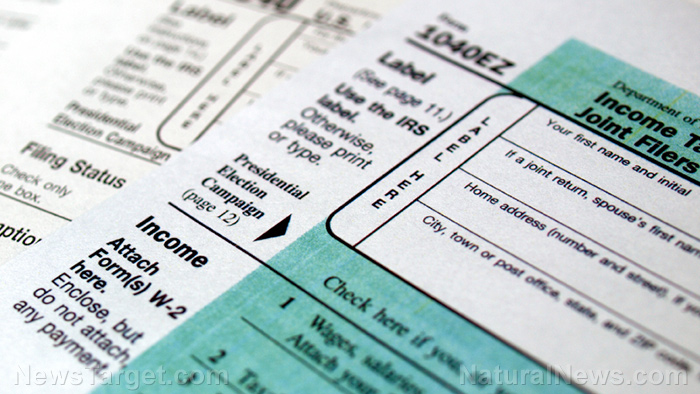
- The One, Big, Beautiful Bill (OBBB) Act, signed last summer, introduces a $6,000 tax deduction for individuals 65 and older or $12,000 for eligible married couples, starting with the 2025 tax filing season.
- Full benefits apply to individuals earning up to $75,000 and couples earning up to $150,000, with the deduction gradually phasing out for higher incomes and fully ending at $175,000 for singles and $250,000 for couples.
- This deduction adds to existing senior tax breaks, including the 2017 TCJA senior deduction and increased standard deductions, allowing single seniors to deduct up to $23,750 and married couples up to $46,700.
- Seniors can expect an average tax savings of $670, with higher earners in the 22% tax bracket potentially saving up to $1,320 individually or $2,640 as a couple.
- AARP officials say the deduction provides critical relief as older Americans face rising costs for essentials like housing, food and prescription drugs, helping to ease financial strain for many seniors.
A sweeping tax law signed by President Donald Trump last summer is set to deliver meaningful tax relief to millions of older Americans this filing season, with a new $6,000 deduction for seniors taking effect as returns begin to be processed later this January.
The One, Big, Beautiful Bill (OBBB) Act, enacted in July, introduced several changes to the tax code, including an expanded deduction for taxpayers ages 65 and older. Officials from the American Association of Retired Persons (AARP) outlined the provision and its expected impact during a press call on Jan. 15, as the Internal Revenue Service prepares to open the 2025 tax filing season on Jan. 26.
Under the law, individuals 65 and older earning up to $75,000 can claim the full $6,000 deduction, while married couples filing jointly can deduct up to $12,000 if their income is $150,000 or less. The benefit gradually phases out for higher earners, declining by $60 for every $1,000 in income above those thresholds and fully disappearing for single filers earning more than $175,000 and couples earning more than $250,000.
The new deduction is layered on top of existing tax breaks for seniors. Taxpayers 65 and older already qualify for an additional $2,000 deduction, or $3,200 for married couples, under the 2017 Tax Cuts and Jobs Act. The OBBB also increased the standard deduction to $15,750 for single filers, $31,500 for joint filers and $23,625 for heads of household.
The changes allow single seniors to deduct up to $23,750, heads of household up to $31,625 and married couples filing jointly up to $46,700.
Moreover, the size of the tax savings depends on a filer's tax bracket. The White House Council of Economic Advisers has estimated the deduction will save seniors an average of $670. AARP officials noted that seniors in the 22% tax bracket earning up to $75,000 could save as much as $1,320, while eligible couples could save up to $2,640.
Eligible taxpayers must turn 65 by Dec. 31, 2025, have a valid Social Security number and can claim the deduction whether they itemize or take the standard deduction. The provision is scheduled to remain in effect through the 2028 tax year. The deduction does not exempt Social Security benefits from federal income taxes, but it can lower overall taxable income, potentially reducing the amount of benefits subject to tax.
AARP: New senior tax deduction offers critical support amid inflation
BrightU.AI's Enoch defines tax deduction as a reduction in the amount of income that is subject to taxation, allowing individuals and businesses to retain more of their earnings. It is a legal way to lower the taxable income, often by subtracting certain expenses that are directly related to generating revenue.
AARP officials say the provision offers timely relief as older Americans struggle with rising costs for essentials such as food, housing and prescription drugs.
"Costs for a lot of folks are very high, and for older Americans especially, costs for things like prescription drugs, for some of the health challenges that folks have, those can be very high, and so putting a little bit of money, extra, in people’s pockets can be very helpful," Bill Sweeney, AARP's senior vice president for government affairs, said on Thursday.
Sweeney also said that this is "critical support at a time when people need it the most." He pointed to an AARP survey from September 2024 showing that roughly one-third of adults over 50 feel financially insecure, with rising costs for everyday expenses, housing and health care cited as major concerns.
"That's a big deal. It's a lot of money that people wouldn't have to pay in taxes early in this winter [and] this early spring," Sweeney said.
Watch this video on the White House's official statement about the passing of Trump's "One Big Beautiful Bill."
This video is from Cynthia's Pursuit of Truth channel on Brighteon.com.
Sources include:






Please contact us for more information.


