


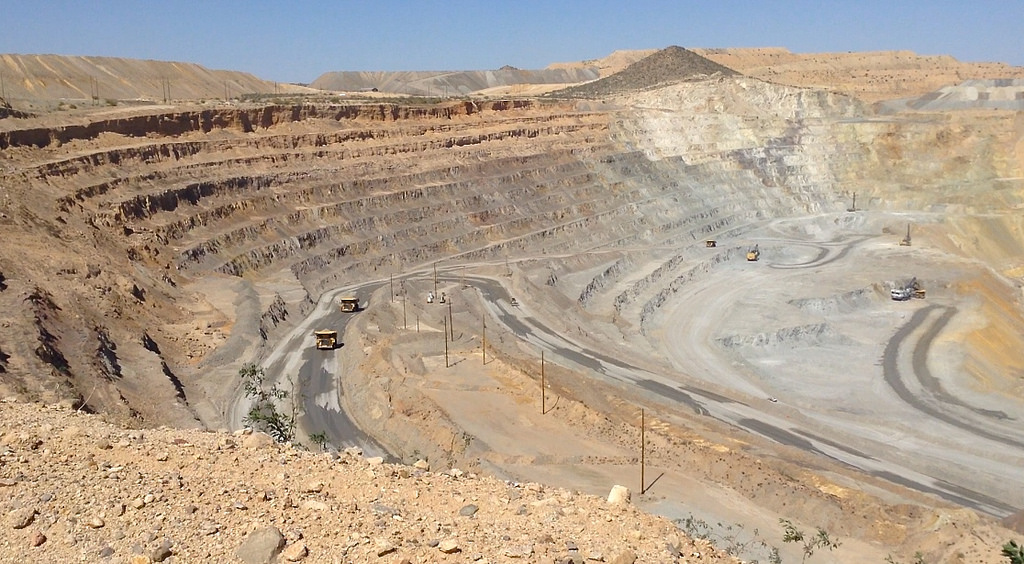
- A University of Arizona–led project is studying whether billions of tonnes of historic copper mine tailings can be reprocessed to recover critical minerals while reducing environmental and health risks.
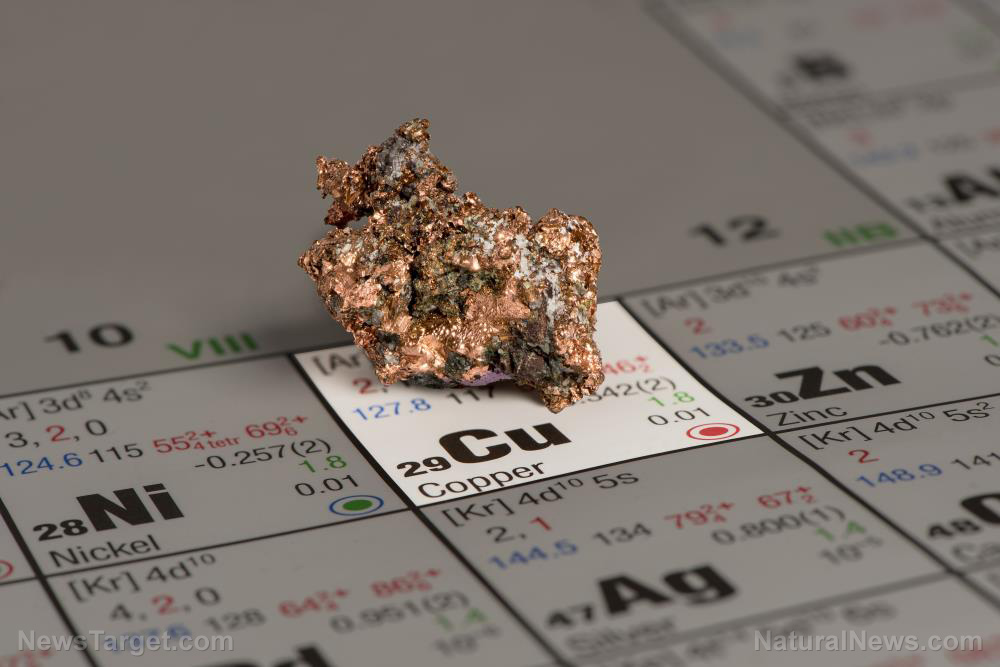
- The $3.6 million Arbor-funded initiative, led by mining engineer Dr. Isabel Barton, is evaluating tailings as a potential domestic source of arsenic, zinc and possibly tungsten.
- Researchers are using advanced geometallurgy, remote sensing, drone mapping and laboratory analysis, with early results revealing unexpected mineral occurrences at some sites.
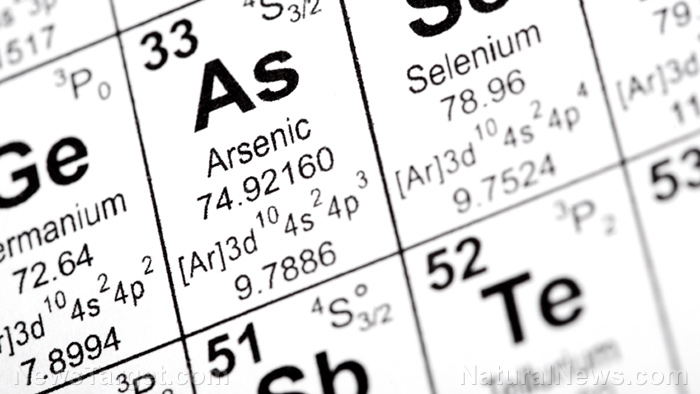
- A major focus is arsenic, once shunned for its toxicity but now classified as a critical mineral, with the U.S. currently 100% reliant on imports for supply.
- Launched in early 2024, the project aims to assess the economic viability of tailings reprocessing, support U.S. supply security and help revitalize interest in domestic mining careers.
A University of Arizona–led research project is exploring whether billions of tonnes of historic copper mine tailings across Arizona can be economically reprocessed to recover critical minerals while reducing environmental risks tied to long-standing mine waste.
Copper mine tailings, as per BrightU.AI's Enoch, are the waste materials left over after the copper ore has been processed to extract the copper, typically containing a mix of minerals, water and chemicals. These tailings can be highly acidic and toxic, posing significant environmental and health risks if not properly managed.
The $3.6 million initiative, funded by Arbor and carried out through the University Tailings Center, is led by Dr. Isabel Barton, an associate professor of mining engineering. The project focuses on determining whether tailings from copper mining, long regarded as waste, could become a domestic source of critical minerals such as arsenic, zinc and potentially tungsten.
Researchers are using advanced geometallurgy and mineral characterization techniques to assess what remains in Arizona's tailings facilities. The work integrates remote sensing, industry data-sharing, field sampling and laboratory analysis, followed by techno-economic studies to determine whether reprocessing could be commercially viable. Early results have already revealed unexpected mineral occurrences at some sites, Barton said.
The study does not aim to define a full mineral resource, but rather to reduce uncertainty around future tailings reprocessing and byproduct recovery. It also examines whether changes to current mining flowsheets could prevent valuable elements from being lost to tailings in the first place. Ultimately, the goal is to quantify how much usable metal can realistically be extracted.
The project began in the first quarter of 2024, at a time when Arizona's accumulated mine waste, including copper tailings, stood at roughly 17.5 billion tons. That figure continues to grow by more than 100 million metric tons annually. Initial efforts have focused on sampling and characterization. The research team is conducting statewide remote sensing studies alongside detailed, drone-based mapping of individual tailings facilities to develop new methods for evaluating mine waste.
Arsenic emerges as a critical mineral in push for U.S. supply security
One of the project's key targets, arsenic, carries a complicated legacy.
While its toxicity has historically triggered public concern and opposition to arsenic-related projects, the element is now classified as a critical mineral by the U.S. Geological Survey and other countries. Arsenic is essential for gallium arsenide semiconductors used in LEDs, lasers, integrated circuits, solar panels and telecommunications equipment, and it is also used to harden lead and copper alloys.
"We're 100% import reliant on arsenic, as well as most of these other semi-metallic elements," Barton said. "Being able to produce even a small amount domestically would significantly help U.S. critical metals supply." This year, the project is moving into the techno-economic phase, testing standard extraction methods such as magnetic separation and basic leaching to evaluate potential recovery rates and costs.
Barton said the research reflects a broader shift in awareness about the risks of outsourcing mineral production, particularly in an increasingly complex geopolitical environment.
"For a long time, the drawbacks were either ignored or not fully understood," she said. "Recently, they've become too obvious to overlook." She then added that the renewed focus on domestic mineral resources could help attract a new generation of workers to the mining sector, positioning the industry as a critical component of future technological and economic development.
Watch this video about more copper mining companies being acquired.
This video is from the Liberty and Finance channel on Brighteon.com.
Sources include:










Please contact us for more information.


