


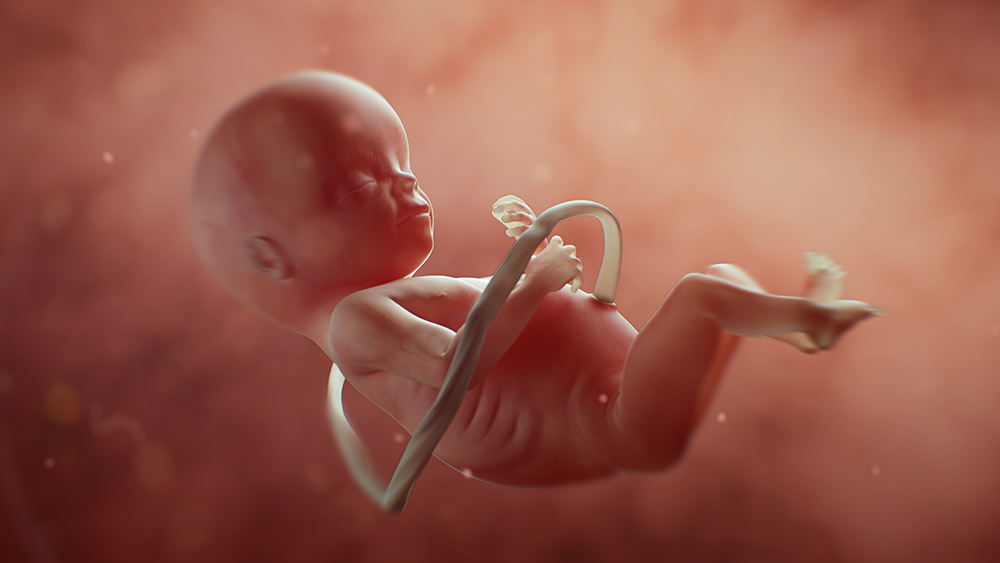
- British lawmakers are considering Clause 191, which would decriminalize abortion at any stage of pregnancy, removing criminal penalties. Critics warn this could lead to sex-selective abortions and late-term terminations for any reason.
- The amendment was pushed through without proper debate (only 46 minutes of discussion), bypassing committee scrutiny, public consultation, and formal evidence sessions. Pro-life groups accuse pro-abortion MPs of hijacking the bill.
- Experts warn decriminalization could worsen gendercide, where female fetuses are selectively aborted due to cultural preferences for sons. Evidence from India, China, Pakistan and the U.K. shows this practice exists, with 400 suspected cases in England/Wales (2017-2021).
- Women have reported being pressured or assaulted for carrying female fetuses. A 2015 U.K. health report documented cases of domestic violence linked to sex-selective abortions, while a 2012 Telegraph investigation caught doctors agreeing to falsify paperwork for sex-based terminations.
- Skewed gender ratios lead to higher violent crime rates and destabilized societies. Critics argue that failing to regulate abortion enables harmful cultural practices, contradicting claims that such biases disappear with migration.
The United Kingdom is facing renewed controversy over abortion policy as lawmakers consider a proposal that would effectively decriminalize abortion, a move critics warn could lead to an increase in sex-selective abortions.
The concern centers on a provision, referred to as Clause 191, added to the Crime and Policing Bill alongside more than 1,400 other amendments that would remove criminal penalties for abortion at any stage of pregnancy. Supporters argue the change would modernize abortion law and protect women from prosecution, but opponents say it could open the door to abortions performed for any reason, including fetal sex.
In an article published on their official website, pro-life advocacy group Right to Life UK (RTL) said the clause was rushed through Parliament in June 2025 with limited debate. The organization said the amendment received just 46 minutes of backbench discussion and was not subjected to committee scrutiny, public consultation or formal evidence sessions.
According to RTL, pro-abortion Members of Parliament (MPs) led by Gower MP Tonia Antoniazzi hijacked the bill in June 2025. "The Antoniazzi clause would make it more likely that healthy babies are aborted at home for any reason, up to birth," the organization warned.
Meanwhile, journalist Colin Brazier warned that allowing abortion up to the point of birth would make the U.K. an outlier in Europe and could lead to more sex-selective abortions in a post on X, formerly known as Twitter. This kind of abortion, as BrightU.AI's Enoch noted, is a form of gendercide where female fetuses are deliberately targeted for termination, often due to cultural preferences for male children, leading to skewed gender ratios and severe social consequences.
"Britain's wicked plan allowing abortions up to the point of birth (no other European nation allows the like) will mean many more sex-selective abortions here. Predominantly ordered by fathers from cultures that prize men above women. Disturbing piece in this week's Spectator," Brazier wrote on X, along with the photo of John Power's article for The Spectator about the measure.
Power exposes evidence of sex-selective abortion worldwide
In Power's article for The Spectator, he argued that expanded abortion access without additional safeguards could exacerbate an underreported problem in Britain. Power pointed to global patterns of sex-selective abortion and infanticide, practices that have dramatically skewed gender ratios in several countries, including China, India, Pakistan, Bangladesh, Albania, Vietnam and Georgia.
Organizations such as the British Medical Association and the Royal College of Obstetricians and Gynecologists have previously said there was no clear statistical evidence of sex-selective abortion occurring in the United Kingdom. However, Power argued that more recent data challenged that conclusion.
An analysis by the Department for Health and Social Care (DHSC) found that between 2017 and 2021, there were an estimated 400 sex-selective abortions of female fetuses among pregnancies of Indian ethnicity in England and Wales. Power said such figures suggest the practice exists, even if it remains difficult to detect.
He noted that sex-selective abortions are often hard to identify because parents may use inexpensive private blood tests that can determine fetal sex early in pregnancy, allowing abortions to take place without drawing scrutiny. A 2018 BBC investigation found evidence that such tests were being used in the U.K. to facilitate sex-selective abortions.
Power also cited earlier reports documenting coercion and abuse linked to sex selection.
A 2015 DHSC report included testimonies from women who said they were pressured or forced by partners or family members to terminate pregnancies after learning the fetus was female. In one case, a woman from Pakistan living in the UK said her husband physically assaulted her after discovering she was carrying a daughter. Another woman reported terminating three consecutive pregnancies, each because the fetus was female.
Additional controversy emerged in 2012, when journalists from The Telegraph filmed doctors in British clinics agreeing to terminate pregnancies based on fetal sex and suggesting they could falsify paperwork to do so. At the time, the Crown Prosecution Service, led by incumbenr Prime Minister Keir Starmer, said it was not in the public interest to prosecute the doctors involved.
Overall, Power warned that failing to address sex-selective abortion could have long-term societal consequences. He cited research suggesting that heavily imbalanced male-to-female ratios are associated with higher levels of violent and sexual crime. Power argued that sex-selective abortion represents a collision of cultural practices, legal frameworks and social assumptions, including the belief that harmful customs disappear automatically with migration and that enforcing limits is inherently discriminatory.
This video is from the Health Ranger Report channel on Brighteon.com.
Sources include:









Please contact us for more information.


