- Treasury launches a financial crackdown on Minnesota fraud rings.
- Officials allege stolen welfare funds may have reached a terrorist group.
- A new order tracks overseas transactions to uncover laundered money.
- Whistleblowers will be paid for inside information on the fraud networks.
- Governor Tim Walz faces blame for a catastrophic failure of oversight.
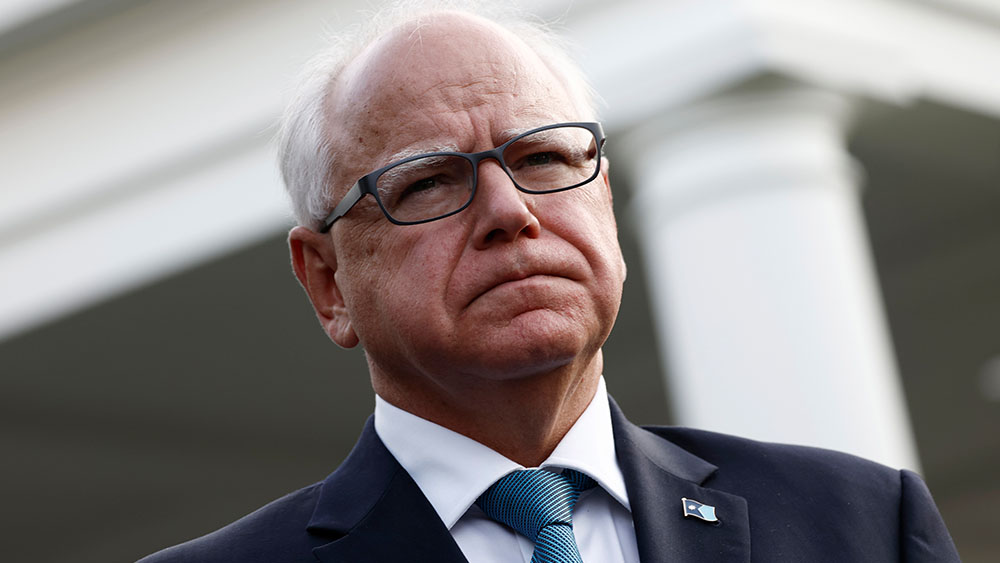
The U.S. Treasury Department is taking direct aim at sprawling fraud rings in Minnesota that have siphoned billions of dollars from taxpayer-funded benefit programs, alleging that funds may have even reached a foreign terrorist organization. In a series of aggressive actions announced Friday, Treasury Secretary Scott Bessent unveiled a financial crackdown centered on tracking stolen money sent abroad, increasing audits, and incentivizing insiders to turn on each other. The move places Democratic Governor Tim Walz squarely in the crosshairs for what Bessent describes as a catastrophic failure of oversight that victimized the state’s most vulnerable citizens.
“President Trump has instructed the administration to bring accountability for the hardworking people of Minnesota,” Bessent said. “Under Democratic Governor Tim Walz, welfare fraud has spiraled out of control. Billions of dollars intended for feeding hungry children, housing disabled seniors, and providing services for children in need were diverted to benefit Somali fraud rings.” The secretary made these remarks during a visit to Minnesota, where he met with law enforcement and financial leaders.
Following the money overseas
A cornerstone of the new effort is a Geographic Targeting Order issued by Treasury’s Financial Crimes Enforcement Network. This order requires banks and money transmitters in Hennepin and Ramsey Counties, which include Minneapolis and St. Paul, to report additional information on transactions over $3,000 sent to beneficiaries outside the United States. Law enforcement has historically had limited visibility into overseas recipients of fraud proceeds. Treasury states this order will equip investigators with the data needed to advance prosecutions and recover laundered funds.
In a startling revelation, Bessent suggested stolen Minnesota taxpayer dollars could have been funneled to the Somalia-based terrorist group al-Shabab. “We are thoroughly investigating the fraud, including funds sent to Somalia through money service businesses,” Bessent said during a virtual press conference. “These funds could have potentially been diverted to the terrorist organization al-Shabab. We have traced where the money went and are examining that.” He added that any financial institutions involved would be held responsible for failures to comply with anti-money laundering laws.
A multi-pronged enforcement push
The Treasury’s initiatives represent a full-court press. The IRS is increasing audits of financial institutions that facilitated the laundering of Minnesota funds and is forming a new task force to investigate fraud and abuse involving pandemic-era tax incentives and the misuse of 501(c)(3) non-profit status. FinCEN has also issued an alert to banks, outlining red flags to help spot fraud related to federal child nutrition programs, which officials say has already defrauded the government of at least $300 million meant for children in Minnesota.
Perhaps the most unconventional tactic is a plan to pay whistleblowers for inside information. Bessent explained the strategy in a television interview, citing the corrupt nature of the fraud networks. “We know that these rats will turn on each other,” Bessent told Fox News. “We heard today that one of the people who has been convicted of fraud, she was given $200,000 to bribe a juror, and she was so corrupt, she skimmed $80,000 of it and only tried to give a $120,000 bribe.” He announced, “We are going to offer whistleblower payments to anyone who wants to tell us who, what, when, where, and how this fraud has been done.”
The political fallout in Minnesota
The crackdown intensifies the political storm around Governor Walz, who recently announced he would not seek re-election. Bessent placed blame directly on the governor’s administration. “It’s clear that Governor Walz has been negligent in his fiduciary duties as a chief executive of the state of Minnesota, that this would happen on his watch,” Bessent said. He questioned whether the failure was due to “just negligence and incompetence or is something more than that.”
This federal action echoes long-standing complaints from within the state bureaucracy. Last year, nearly 500 Minnesota Department of Human Services employees publicly blamed Walz for the massive fraud, posting on social media that he was “100% responsible” and alleging that early warnings were met with retaliation rather than action. The fraud schemes are extensive. Federal authorities have already charged more than 90 people, most with ties to Minnesota’s Somali community, with diverting over $9 billion from social service programs.
One scheme alone, dubbed “Feeding Our Future,” allegedly defrauded $250 million from a federally funded child nutrition program. Investigators and journalists have documented cases where daycare centers receiving millions in taxpayer funds were vacant or closed. As the Treasury deploys its financial tools, the scale of the scandal serves as a sobering case study in how lax oversight and systemic failure can bleed a system dry. For Minnesotans who trusted the state to care for their children and elderly, the reckoning is just beginning, and it’s arriving via bank transaction reports and whistleblower payouts.
Sources for this article include:








Please contact us for more information.